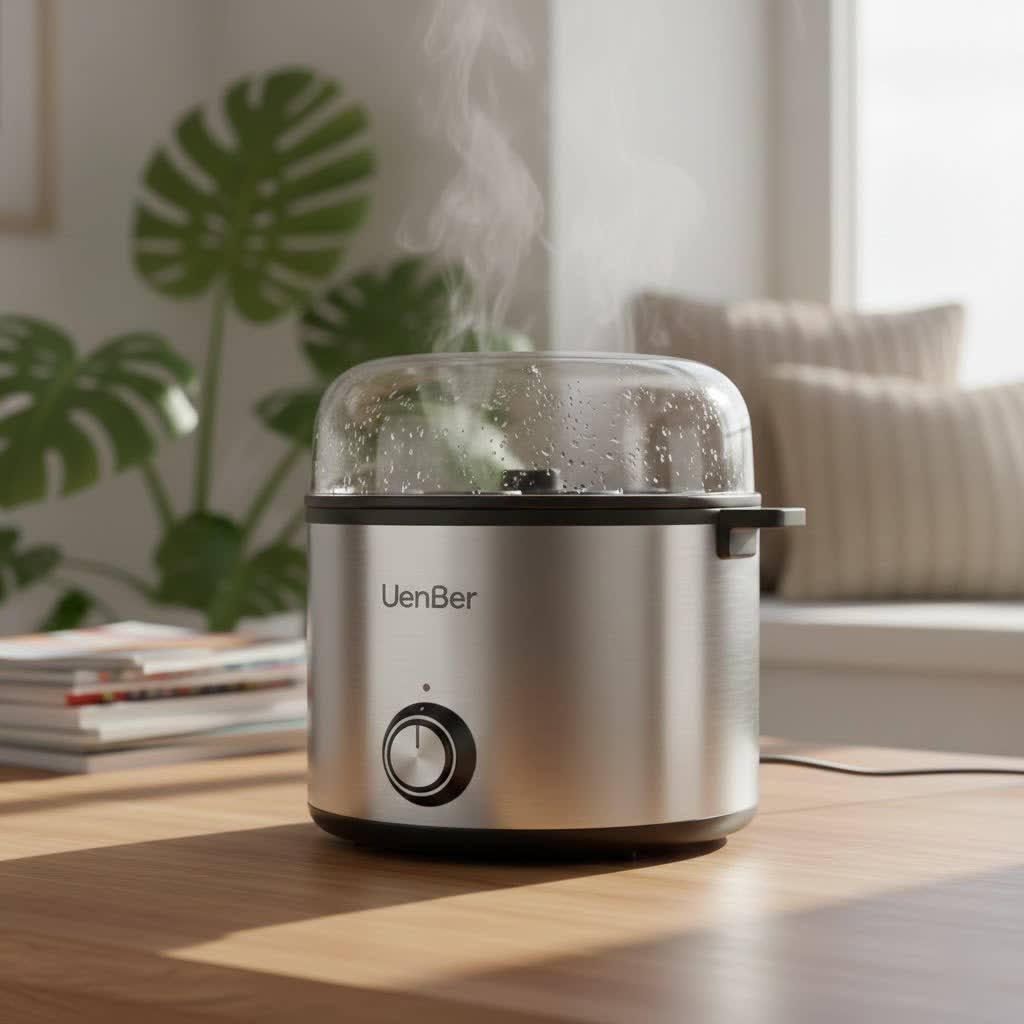
Are you tired of cracked shells, green rings around your yolks, or inconsistent results when making hard-boiled eggs? Many home cooks face the frustrating challenge of achieving perfectly cooked eggs every time. Thankfully, a simple kitchen gadget can improve your routine, making flawless hard-boiled eggs effortless. A hard boiled egg boiler is designed to take the guesswork out of egg preparation, ensuring you get perfectly cooked eggs, just the way you like them, with minimal fuss.
What is a Hard Boiled Egg Boiler? Why You Need One
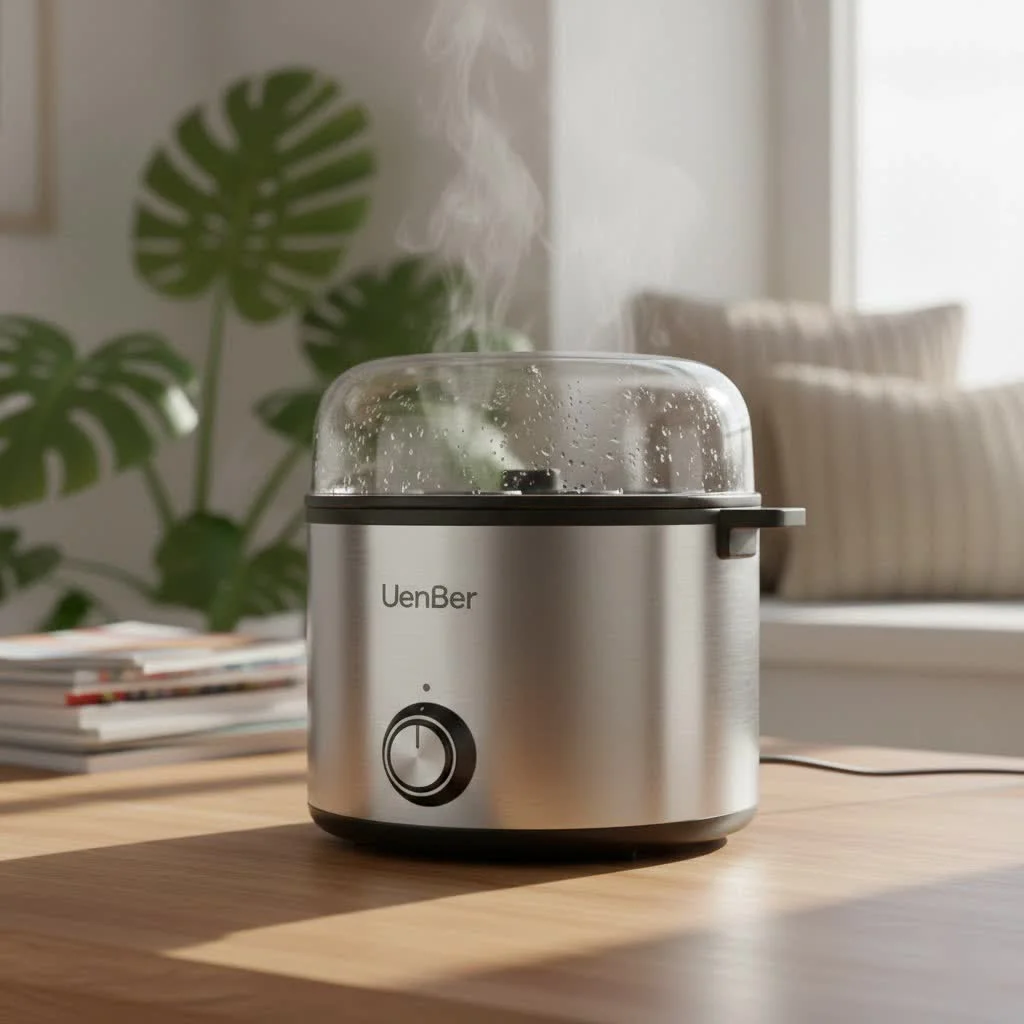
A hard boiled egg boiler is typically a compact electric appliance that uses steam to cook eggs. This ingenious device simplifies what can often be a tricky culinary task, delivering consistent results whether you prefer soft, medium, or perfectly hard-boiled eggs. Forget the days of constantly monitoring a pot of boiling water; these innovative gadgets eliminate the need for precise timing and temperature adjustments. For explore our kitchen appliances reviews on this site.
The benefits of owning a dedicated hard boiled egg boiler are numerous. Firstly, they offer unparalleled consistency. With pre-set modes and precise water measurements, you can achieve your desired level of doneness every single time, without the risk of over or undercooking. Secondly, they are incredibly convenient and time-saving. Just add water, place your eggs, and press a button. The appliance does the rest, often featuring an automatic shut-off and an audible alert to signal when your eggs are ready. This “set-it-and-forget-it” functionality is a major upgrade for busy mornings or when preparing meals in bulk. Steaming eggs in a boiler can often lead to easier peeling compared to traditional boiling methods, saving you valuable time and preventing frustration. It also frees up valuable stovetop space, allowing you to multitask in the kitchen.
Exploring Popular Types of Egg Boilers on the Market
While the term “egg boiler” often refers to electric models, it’s helpful to understand the various methods people use to cook eggs, and how dedicated appliances compare.
- Electric Hard Boiled Egg Boilers: These are the most common and popular type. They use a small amount of water to create steam, which cooks the eggs. They come with measuring cups to ensure the right amount of water for different doneness levels (soft, medium, hard). Their advantages include precision, convenience, and often the ability to cook multiple eggs simultaneously.
- Microwave Egg Cookers: These are smaller, often plastic devices designed for cooking one or a few eggs in the microwave. They offer speed and portability but can be less precise in controlling doneness. There’s also a risk of eggs exploding if not used correctly or if the shell isn’t pierced.
- Stovetop Egg Boilers/Pots: This is the traditional method. While effective, it requires constant monitoring, precise timing, and can lead to inconsistent results or difficult peeling if not done perfectly. Some specialized stovetop egg cookers exist, but they still require manual oversight.
Comparison of Egg Boiler Types
|
Our Picks for the Best Egg Boiler in 2026
As an Amazon Associate I earn from qualifying purchases.
|
||
| Num | Product | Action |
|---|---|---|
| 1 | DASH Electric Rapid Egg Cooker for Hard Boiled/Poached/Scrambled Eggs or Omelets with Auto Shut-Off Feature, Black, 7 Egg Capacity |

|
| 2 | Annie & Mia Design Stainless Steel Electric Rapid Egg Cooker, 8 Egg Capacity 500W, Soft/Medium/Hard Boiled Egg Boiler Poacher Steamer Omelet Maker, Knob Auto Shut-Off, with Recipe Guide Book (Black) |
|
| 3 | Elite Gourmet EGC007CHC# Rapid Egg Cooker, 7 Easy-To-Peel, Hard, Medium, Soft Boiled Eggs, Poacher, Omelet Maker, Auto Shut-Off, Alarm, 16-Recipe Booklet, Charcoal Grey |
|
| 4 | Cuisinart CEC-10 Egg Central Egg Cooker, Brushed Stainless Steel |
|
| 5 | DASH Rapid Egg Cooker: 7 Egg Capacity Electric Egg Cooker for Hard Boiled Eggs, Poached Eggs, Scrambled Eggs, or Omelets. |
|
| 6 | Microwave Egg Cooker, Quick-Heat Poacher Fryer with Lid, for Breakfast Sandwiches Dishwasher Safe Portable Multi-Use Egg Cooker Easy to Use and Clean (pink) |
|
| 7 | Elite Gourmet EGC115B Easy Egg Cooker Electric 7-Egg Capacity, Soft, Medium, Hard-Boiled Egg Cooker with Auto Shut-Off, Measuring Cup Included, BPA Free, Classic Black |
|
| 8 | Dash Rapid Egg Cooker - Boiler, Poacher & Steamer - Includes Measuring & Recipe Guide - Dishwasher Safe - Holds 7 Eggs, Aqua |
|
| 9 | Evoloop Rapid Egg Cooker Electric 6 Eggs Capacity, Soft, Medium, Hard Boiled, Poacher, Omelet Maker Egg Poacher With Auto Shut-Off, BPA Free |
|
| 10 | Evoloop Rapid Egg Cooker Electric 12 Eggs Capacity, Soft, Medium, Hard Boiled, Poached, Omelet Maker Egg Poacher & Vegetable Steamer, BPA Free Tray |
|
| Feature | Electric Boiler | Microwave Cooker | Stovetop Pot |
|---|---|---|---|
| Convenience | Very High | High | Medium |
| Speed | Medium | Fast | Medium |
| Precision | High | Medium | Medium |
| Cost | Moderate | Low | Low |
| Safety | High | Medium (risk of explosion if misused) | Medium (hot water/steam) |
| Easy Cleaning | Easy | Easy | Fairly Easy |
Your Guide to Choosing the Perfect Hard Boiled Egg Boiler
Selecting the right hard boiled egg boiler means considering your personal cooking habits and kitchen needs. With so many options available, here’s what to look for:
1. Determine Your Usage Needs:
First, ask yourself how many eggs you typically need to boil at once. Are you cooking for a single person, a couple, or a large family? Egg boilers come in various capacities, from 3-4 eggs up to 14 eggs. Choosing a model that matches your daily or weekly egg consumption is key to efficiency. If you frequently meal prep, a larger capacity hard boiled egg boiler will be a wise investment.
2. Evaluate Key Features:
Modern egg boilers often come equipped with a range of features designed to enhance usability and versatility.
- Multiple Cooking Settings: Look for models that offer distinct settings for soft, medium, and hard-boiled eggs, allowing you to customize your results with ease.
- Automatic Shut-Off & Audible Alert: These features are essential for hands-free operation. The auto shut-off prevents overcooking and ensures safety, while an alert lets you know exactly when your eggs are ready.
- Puncture Pin: Many electric egg boilers include a small pin to pierce the eggshell before cooking. This helps prevent cracking during the steaming process and can contribute to easier peeling.
- Versatile Trays: Some egg boilers go beyond just boiling, offering trays for poaching eggs, making omelets, or even steaming small vegetables. This multifunctionality can add significant value to the appliance.
- Material and Durability: Stainless steel components are often preferred for their durability and ease of cleaning. Ensure the cooking tray and other parts are made from food-grade materials.
- Easy Cleaning: Removable, non-stick parts are a huge plus for effortless cleanup after use.
3. Consider Brand Reputation and User Reviews:
While not explicitly listing brands here, researching reputable manufacturers known for kitchen appliances can provide peace of mind regarding quality and customer support. Reading user reviews is invaluable for understanding real-world performance, durability, and any potential drawbacks of a specific hard boiled egg boiler model. Look for consistent positive feedback on cooking accuracy and ease of use.
Top Hard Boiled Egg Boilers: A Glimpse Across Price Points
The market offers an egg boiler for every budget and preference. Here’s a general overview of what you can expect across different price segments:
- Affordable Segment (Under $25): These entry-level hard boiled egg boilers are typically compact, focusing on basic functionality. They are excellent for individuals or small families who primarily need to hard boil a few eggs at a time. Expect essential features like automatic shut-off and a measuring cup, often with capacities of 6-7 eggs. They prioritize straightforward operation and reliability for perfect hard-boiled eggs.
- Mid-Range Segment ($25 – $50): In this category, you’ll find hard boiled egg boilers with enhanced features and potentially larger capacities. These models might include additional trays for poaching or omelets, more precise control over doneness, and improved aesthetic designs. They offer a balance of functionality, durability, and value, catering to users who appreciate a bit more versatility without a premium price tag.
- Premium Segment (Over $50): High-end hard boiled egg boilers often boast larger capacities (up to 14 eggs), sophisticated digital controls, advanced steaming technology for ultimate precision, and premium construction materials like brushed stainless steel. Some may integrate smart features or be part of multi-cooker systems. These are ideal for avid egg enthusiasts, large families, or those who frequently entertain and demand the highest level of performance and durability.
> “A good hard boiled egg boiler isn’t just about convenience; it’s about achieving culinary perfection consistently. The precision these devices offer can improve your breakfast routine.”
Tips for Using and Maintaining Your Hard Boiled Egg Boiler
To ensure your hard boiled egg boiler serves you well for years to come and consistently delivers delicious results, follow these simple usage and maintenance tips:
- Read the Manual: Always start by thoroughly reading your appliance’s instruction manual. This will provide specific guidance on water levels, cooking times, and care instructions unique to your model.
- Pierce Eggs Gently: If your model includes a piercing pin, use it gently on the larger end of the egg. This helps release air and prevents cracking during cooking.
- Use the Correct Water Amount: Always use the measuring cup provided with your hard boiled egg boiler and fill it to the recommended line for your desired doneness (soft, medium, or hard). Too much or too little water will affect the outcome.
- Clean After Every Use: To prevent mineral buildup on the heating plate and maintain hygiene, clean your hard boiled egg boiler after each use. Most removable parts are dishwasher safe, or can be easily washed by hand with warm, soapy water.
- Avoid Harsh Cleaners: Do not use abrasive scrubbers or harsh chemical cleaners, as these can damage the non-stick coating or stainless steel surfaces. A soft cloth or sponge is usually sufficient.
- Store Properly: Once clean and dry, store your hard boiled egg boiler in a cool, dry place, ensuring all parts are fully air-dried to prevent mildew or corrosion.
Conclusion
Embracing a hard boiled egg boiler in your kitchen can genuinely improve your daily routine, transforming the simple act of cooking eggs into an effortless, precise, and consistently perfect experience. From saving you time on hectic mornings to delivering perfectly peeled, flawlessly cooked eggs every time, this versatile appliance proves to be a valuable addition. With a range of options available across different types and price points, finding the ideal hard boiled egg boiler to meet your specific needs and culinary aspirations has never been easier. Why not invest in this kitchen marvel and enjoy perfectly cooked hard-boiled eggs whenever the craving strikes?
Frequently Asked Questions
Are electric hard boiled egg boilers worth the investment?
Absolutely! If you regularly consume hard-boiled eggs and value consistency, convenience, and time-saving, an electric hard boiled egg boiler is a worthwhile investment. It eliminates guesswork, frees up stovetop space, and ensures perfectly cooked eggs every time, making your mornings smoother.
How long does it take to cook hard-boiled eggs in an egg boiler?
Cooking times vary slightly depending on the model and desired doneness, but typically, a hard boiled egg boiler can produce perfectly hard-boiled eggs in about 10-15 minutes. This is often faster and more consistent than traditional stovetop methods, especially considering the pre-heating time for water.
Can I cook other types of eggs besides hard-boiled in an egg boiler?
Many electric hard boiled egg boilers are versatile and include trays or settings for preparing soft-boiled and medium-boiled eggs. Some advanced models also come with accessories for poaching eggs or even making small omelets, expanding their utility beyond just boiling.
Why do my hard-boiled eggs sometimes crack in the boiler?
Cracking can occur if the eggs are too cold when placed into the hot steamer, or if there’s internal pressure buildup. To minimize cracking, allow eggs to come closer to room temperature before cooking, and if your boiler includes a piercing tool, use it gently on the larger end of the egg to release air.
How do I clean my hard boiled egg boiler to prevent mineral buildup?
Regular cleaning after each use with warm, soapy water is crucial. For stubborn mineral buildup (calcium deposits) on the heating plate, you can use a mixture of water and white vinegar. Allow it to soak or run a short cycle with the mixture, then wipe clean. Always consult your appliance’s manual for specific cleaning recommendations.
Cooking gear we tested in our own kitchens
Free PDF — preheat times measured on 10 popular air fryers.
