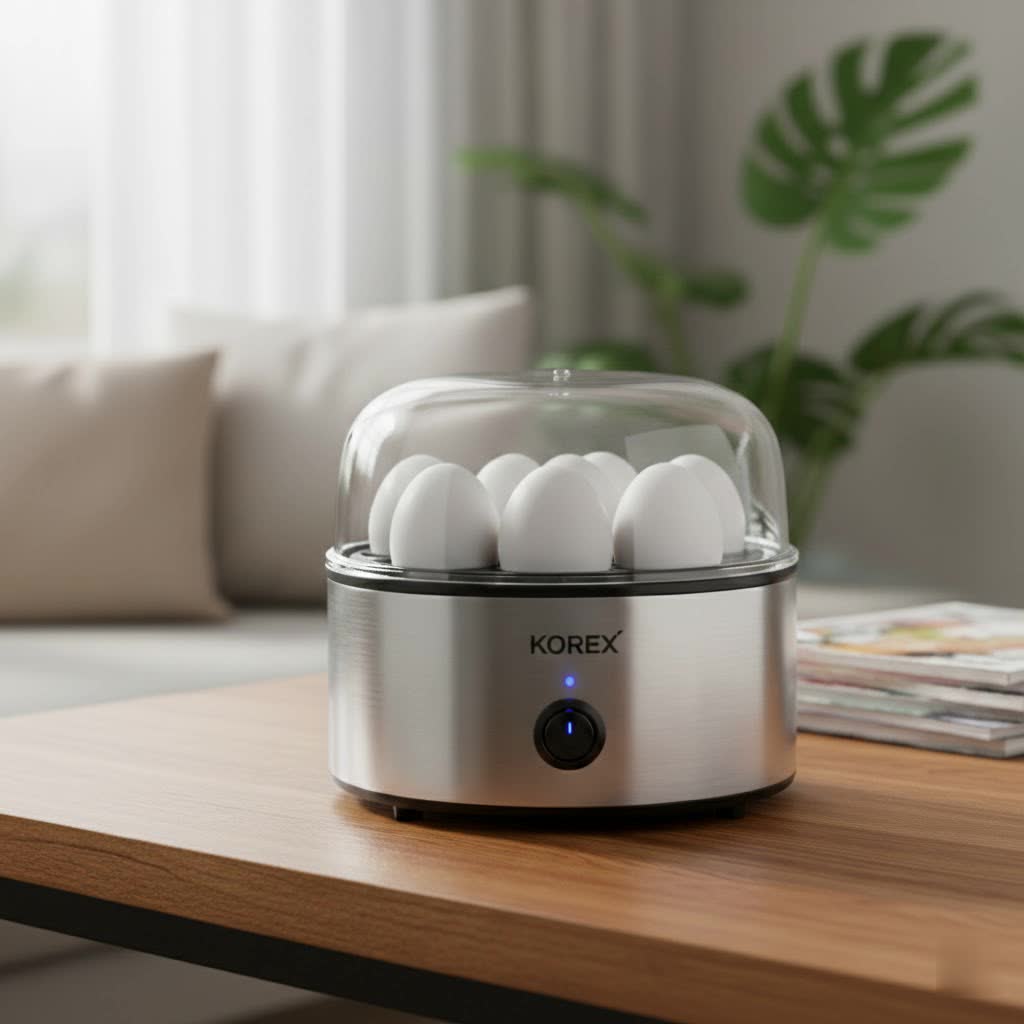
Are you tired of the guesswork and inconsistent results when boiling eggs? From overcooked yolks with that unsightly green ring to undercooked, slimy whites, achieving the perfect egg can feel like a culinary challenge. Enter the egg boiler machine – a kitchen gadget specifically designed to take the fuss out of cooking eggs, delivering perfectly done results every time. These convenient appliances simplify your breakfast routine, ensuring consistent texture and an effortless cooking experience, whether you crave a soft, jammy, or hard-boiled egg.
What is an Egg Boiler Machine and Why Do You Need One?
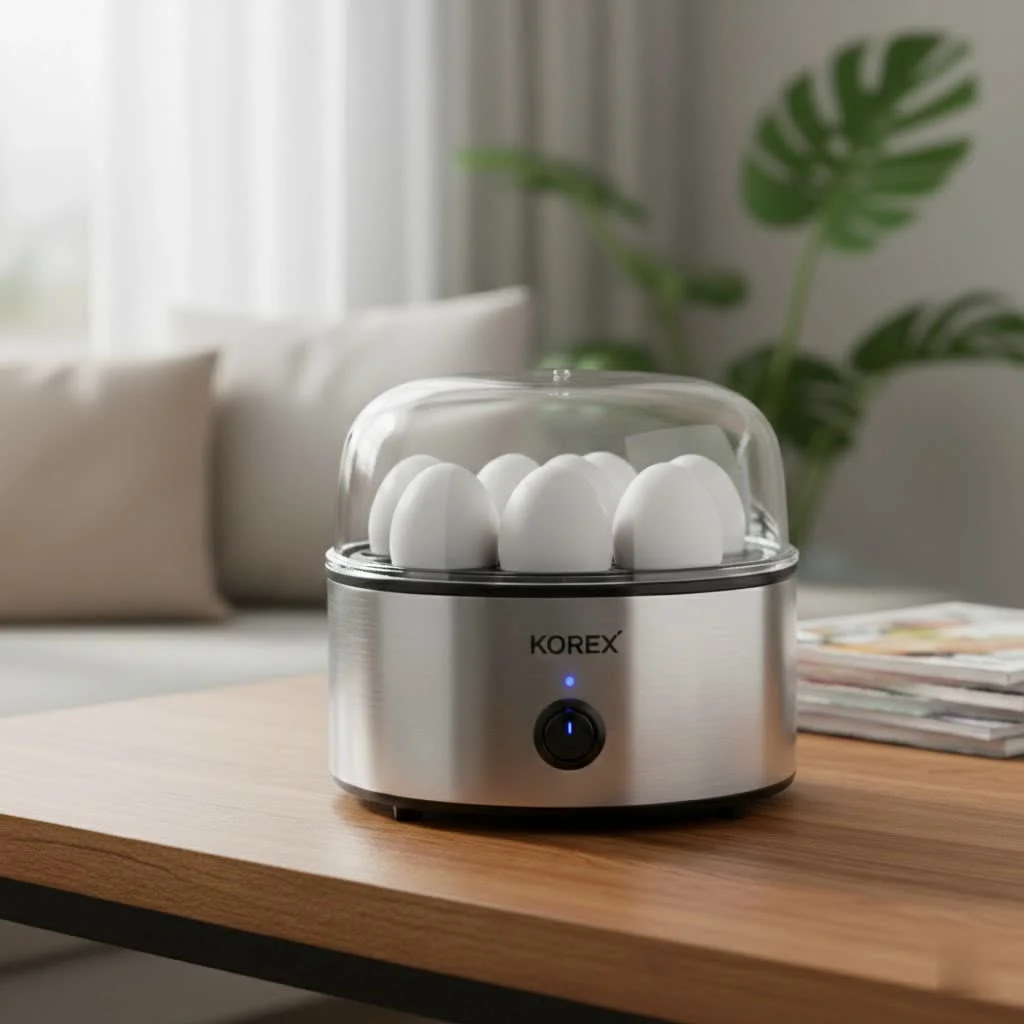
An egg boiler machine is a compact kitchen appliance that uses steam to cook eggs to your desired doneness. It eliminates the need for constant monitoring, timers, and the risk of cracked shells often associated with traditional stovetop methods. For see our kitchen appliances recommendations on this site.
The primary benefit of using an egg boiler machine is unparalleled convenience. Simply add water, place your eggs, and let the machine do the work. Most models feature automatic shut-off and audible alerts, allowing you to “set it and forget it” while you focus on other morning tasks. This hands-off approach ensures remarkable consistency, producing eggs with perfectly cooked whites and yolks, free from the undesirable green ring that signals overcooking. Many users find that eggs cooked in an egg boiler are significantly easier to peel than those boiled in a pot, saving you time and frustration. Beyond simple boiling, many modern egg boilers offer versatility, capable of poaching eggs, making individual omelets, or even preparing trendy egg bites and steaming small vegetables. This makes them a multi-functional addition to any kitchen, streamlining your meal prep and expanding your culinary options.
Popular Types of Egg Boiler Machines
The market offers several types of egg boiler machines, each with unique advantages and considerations. Understanding these differences will help you select the perfect fit for your cooking habits and kitchen space.
Electric Egg Boilers
Electric egg boilers are the most common and widely available type. They feature a heating element at the base that boils a small amount of water, producing steam to cook the eggs.
- Pros:
- Convenience: Often include automatic shut-off and audible alerts, making them completely hands-off.
- Consistency: Deliver precise results for soft, medium, or hard-boiled eggs due to measured water amounts.
- Versatility: Many models come with trays for poaching, omelets, and sometimes even steaming other foods.
- Safety: Built-in features like auto shut-off prevent overcooking and dry boiling.
- Cons:
- Counter Space: Require an electrical outlet and can occupy valuable counter space, especially larger models.
- Price: Generally mid-range in cost, though budget-friendly options are plentiful.
Microwave Egg Boilers
|
Our Picks for the Best Egg Boiler in 2026
As an Amazon Associate I earn from qualifying purchases.
|
||
| Num | Product | Action |
|---|---|---|
| 1 | Microwave Egg Cooker, Quick-Heat Poacher Fryer with Lid, for Breakfast Sandwiches Dishwasher Safe Portable Multi-Use Egg Cooker Easy to Use and Clean (pink) |

|
| 2 | Elite Gourmet EGC115B Easy Egg Cooker Electric 7-Egg Capacity, Soft, Medium, Hard-Boiled Egg Cooker with Auto Shut-Off, Measuring Cup Included, BPA Free, Classic Black |
|
| 3 | Cuisinart CEC-10 Egg Central Egg Cooker, Brushed Stainless Steel |
|
| 4 | DASH Electric Rapid Egg Cooker for Hard Boiled/Poached/Scrambled Eggs or Omelets with Auto Shut-Off Feature, Black, 7 Egg Capacity |
|
| 5 | Dash Rapid Egg Cooker - Boiler, Poacher & Steamer - Includes Measuring & Recipe Guide - Dishwasher Safe - Holds 7 Eggs, Aqua |
|
| 6 | Elite Gourmet EGC007CHC# Rapid Egg Cooker, 7 Easy-To-Peel, Hard, Medium, Soft Boiled Eggs, Poacher, Omelet Maker, Auto Shut-Off, Alarm, 16-Recipe Booklet, Charcoal Grey |
|
| 7 | Evoloop Rapid Egg Cooker Electric 12 Eggs Capacity, Soft, Medium, Hard Boiled, Poached, Omelet Maker Egg Poacher & Vegetable Steamer, BPA Free Tray |
|
| 8 | Evoloop Rapid Egg Cooker Electric 6 Eggs Capacity, Soft, Medium, Hard Boiled, Poacher, Omelet Maker Egg Poacher With Auto Shut-Off, BPA Free |
|
| 9 | Annie & Mia Design Stainless Steel Electric Rapid Egg Cooker, 8 Egg Capacity 500W, Soft/Medium/Hard Boiled Egg Boiler Poacher Steamer Omelet Maker, Knob Auto Shut-Off, with Recipe Guide Book (Black) |
|
| 10 | DASH Rapid Egg Cooker: 7 Egg Capacity Electric Egg Cooker for Hard Boiled Eggs, Poached Eggs, Scrambled Eggs, or Omelets. |
|
Microwave egg boilers are non-electric devices designed to cook eggs quickly using the power of your microwave. They typically consist of a plastic container with an egg rack and a lid.
- Pros:
- Speed: Can cook eggs very quickly, often in under 10 minutes, making them ideal for rushed mornings.
- Compact & Portable: Small, lightweight, and easy to store, taking up minimal kitchen real estate.
- Affordable: Usually the most budget-friendly option.
- No Electricity Needed: Great for dorms, offices, or travel where outlets might be scarce.
- Cons:
- Limited Capacity: Most models only accommodate up to four eggs at a time.
- Less Versatile: Primarily designed for boiled eggs; poaching and omelet functions are less common or effective.
- Variable Timing: Cooking times can vary significantly based on your microwave’s wattage, requiring some trial and error.
- Safety Concerns: Can be hot to handle directly after microwaving, posing a risk of steam burns. Proper use is crucial to prevent eggs from cracking or exploding.
Stovetop Egg Boilers (Traditional Method & Inserts)
While not a dedicated “machine” in the electric sense, many still boil eggs on a stovetop using a traditional pot or specialized inserts. This method relies on external heat from a gas or induction stove.
- Pros:
- No Electricity: Does not require power, making it a reliable option during power outages.
- Cost-Effective: Utilizes existing kitchenware, making it the cheapest option if you already own a pot.
- Large Capacity: A large pot can boil a significant number of eggs simultaneously.
- Cons:
- Hands-On: Requires constant monitoring to prevent over-boiling or under-boiling, with precise timing crucial.
- Inconsistency: Can be challenging to achieve exact doneness consistently.
- Time-Consuming: Heating water to a boil and then cooking can take longer than electric or microwave options.
- Potential for Cracks: Eggs are more prone to cracking in rapidly boiling water.
Comparison of Egg Boiler Machine Types
To help you visualize the differences, here’s a quick comparison of the various egg cooking methods:
| Feature | Electric Egg Boiler | Microwave Egg Boiler | Stovetop Boiling (Traditional) |
|---|---|---|---|
| Convenience | Very high | High | Medium |
| Speed | Medium (10-20 min) | High (under 10 min) | Low (20+ min total) |
| Precision | High | Medium | Low |
| Price | Medium-High | Low | Very Low |
| Safety | High (auto shut-off) | Medium (hot to handle) | Medium (boiling water) |
| Ease of Cleaning | Easy (dishwasher-safe parts) | Easy (dishwasher-safe plastic) | Fairly Easy |
How to Choose the Perfect Egg Boiler Machine
Selecting the best egg boiler machine depends largely on your individual needs and lifestyle. Consider these factors to make an informed decision:
1. Determine Your Usage Needs
- Capacity: How many eggs do you typically cook at once? For singles or couples, a 6-egg capacity might suffice (e.g., Dash Rapid Egg Cooker). For families or meal preppers, a 10-12 egg capacity (like the Cuisinart Egg Central or Dash Deluxe) will be more suitable.
- Preferred Egg Style: If you only eat hard-boiled eggs, a basic model is fine. If you enjoy poached eggs, omelets, or egg bites, look for models with included specialty trays and versatile settings.
- Frequency of Use: If you eat eggs daily, investing in a high-quality, durable electric model might be worthwhile. For occasional use, a more budget-friendly electric or microwave option could be perfect.
2. Consider Essential Features
- Doneness Settings: Most electric models offer settings for soft, medium, and hard-boiled eggs, often determined by the amount of water added.
- Auto Shut-off & Alerts: These features are critical for hands-free operation. An audible alert lets you know when your eggs are ready, preventing overcooking, and auto shut-off adds a layer of safety.
- Versatility: Look for models with additional trays for poaching or omelet making if you want to expand beyond boiled eggs. Some can even steam vegetables.
- Easy Cleaning: Check if removable parts are dishwasher-safe or easily wiped clean. Non-stick surfaces are a plus.
- Measuring Cup: A clearly marked measuring cup is essential for consistent results with water-based cooking.
- Design & Footprint: Consider your kitchen counter space and storage. Compact models are great for smaller kitchens. Clear lids can be a nice bonus to monitor cooking progress.
3. Research Reputable Brands
Focus on brands known for quality and reliability in kitchen appliances. Some popular and well-regarded egg boiler brands include:
- Dash: Known for compact, affordable, and highly functional egg cookers like the Dash Rapid and Dash Deluxe.
- Cuisinart: Offers sturdy, higher-capacity models with sleek designs and reliable performance, such as the Cuisinart Egg Central.
- Nostalgia: Provides retro-styled, affordable, and efficient egg cookers.
- Elite Gourmet: Offers compact and user-friendly egg boilers at competitive prices.
- Chef’sChoice: Known for models that offer more precise control over doneness settings.
- Hamilton Beach: A brand that often provides versatile multi-cookers that can also handle eggs.
4. Read User Reviews
Before making a final decision, always read reviews from other users. Pay attention to comments regarding:
- Consistency of results: Do eggs turn out perfectly as advertised?
- Ease of peeling: Are the eggs consistently easy to peel after cooking?
- Durability: How well does the machine hold up over time?
- Noise Level: Some alerts can be quite loud.
Top Egg Boiler Machines for Every Need
Based on extensive testing and user feedback, here are some of the best egg boiler machines currently available, categorized by price range to help you find your ideal match.
Budget-Friendly (Under $30)
- Dash Rapid Egg Cooker: This compact powerhouse is a favorite for its affordability and consistent performance. It can cook up to six eggs (hard, medium, or soft-boiled), plus individual omelets and two poached eggs. It’s incredibly easy to use, clean, and comes with an audible alert. Priced around $20.
- Nostalgia Retro Large Hard-Boiled Egg Cooker: Offering a charming retro design, this cooker consistently delivers perfect hard-boiled, soft-boiled, and poached eggs rapidly. It can cook up to seven eggs and is praised for its speed and affordability. Priced around $17.
- Elite Gourmet Automatic Easy Egg Cooker: For less than $20, this compact egg cooker handles up to seven eggs for boiling or two for poaching/omelets. It features easy-to-read water measurements on the included cup and an auto-off function, making it very user-friendly. Priced around $21.
- Nordic Ware Egg Boiler (Microwave): If counter space is a premium and speed is your priority, this microwave egg boiler is an excellent choice. It cooks up to four eggs in minutes without electricity and is very easy to clean. Priced around $17.
Mid-Range ($30 – $50)
- Dash Deluxe Rapid Cooker Electric: A step up in capacity, this double-decker model can hard-boil a dozen eggs, poach up to seven, or make a three-egg omelet, making it ideal for meal prep or larger households. It offers versatility with steaming capabilities and convenient auto shut-off. Priced around $27-$30.
- Cuisinart Egg Central Egg Cooker: This robust and stylish egg cooker can prepare up to ten eggs at once, with additional trays for poaching four eggs or making three-egg omelets. Its sturdy design, accurate automatic cooking, and user-friendly interface make it a top contender for consistent results. Priced around $42.
- Chef’sChoice Gourmet Egg Cooker: For those who demand precise control over their eggs’ doneness, this model is a standout. It allows you to prepare up to seven eggs, even to different doneness levels in the same batch, using a sliding scale rather than just water measurements. It features easy-to-remove trays for safety. Priced around $49.
High-End / Multi-taskers (Above $50)
- Hamilton Beach 37530A Digital Food Steamer: While not solely an egg boiler, this versatile digital food steamer can perfectly cook up to 16 eggs in its indented divots. Its two stackable steaming trays are also excellent for vegetables, fish, and chicken, making it a valuable multi-functional appliance for the kitchen. It boasts higher-end features like a digital touchpad, delayed-start, and automatic keep-warm settings. Priced around $49.
Tips for Using and Maintaining Your Egg Boiler Machine
To get the most out of your egg boiler and ensure its longevity, follow these practical tips:
- Read the Manual: Always refer to your specific model’s instruction manual for precise water measurements and operating procedures.
- Clean After Every Use: For hygienic reasons and to prevent residue buildup, clean your egg boiler after each use. Removable trays and lids are often dishwasher-safe or can be easily hand-washed with warm, soapy water.
- Avoid Harsh Cleaners: Do not use abrasive scrubbers or harsh chemical detergents on any part of the egg boiler, especially the heating plate, as this can damage the finish.
- Combat Hard Water Stains: If you notice mineral deposits on the heating plate, a common issue with hard water, you can often remove them by boiling a small amount of white vinegar in the reservoir. Always check the manufacturer’s instructions before attempting this.
- Store Properly: Keep your egg boiler in a dry, cool place away from direct sunlight when not in use. Many models are designed with nesting parts for compact storage.
- Skip the Egg Piercer: While some models include a piercing tool, many experts and users find it unnecessary and sometimes counterproductive, as it can cause egg whites to leak out during cooking. Eggs often peel just fine without piercing.
- Utilize an Ice Bath: After the cooking cycle is complete, immediately transfer your hot eggs to an ice-water bath for a few minutes. This stops the cooking process, makes the eggs easier to peel, and helps achieve a bright yellow yolk.
“An egg boiler isn’t just about cooking eggs; it’s about reclaiming your mornings. The consistency and ease they offer are a major upgrade for anyone who loves eggs but hates the hassle.” – Admin, ReviewJornal.com, Kitchen Appliance Expert
Conclusion
Choosing the best egg boiler machine can significantly enhance your kitchen experience, offering a simple, consistent, and hands-free way to prepare perfect eggs every time. Whether you prioritize speed, capacity, versatility, or a budget-friendly option, there’s a model out there designed to meet your specific needs. From compact rapid cookers to larger, multi-functional steamers, these appliances streamline meal prep and ensure delightful results, making your daily dose of protein a pleasure rather than a chore.
What kind of perfect egg will you create with your new egg boiler?
Frequently Asked Questions
How do egg boiler machines work?
Most electric egg boiler machines use a small amount of water that is heated to create steam, which then gently cooks the eggs to the desired doneness. Microwave versions utilize microwave energy to heat water, generating steam. The amount of water typically determines the cooking level (soft, medium, or hard-boiled).
How long does it take to cook eggs in an electric egg cooker?
Cooking times vary depending on the machine, the number of eggs, and your preferred doneness. Generally, soft-boiled eggs can take 6-7 minutes, while hard-boiled eggs typically range from 9-18 minutes. Microwave egg boilers can often cook eggs in under 10 minutes.
Why do eggs sometimes crack in an egg cooker?
Eggs have a small air pocket that expands when heated. If the pressure builds up too quickly and cannot escape through the shell’s pores, the egg may crack. Some egg cookers suggest piercing the larger end of the egg to release pressure, though many users find this unnecessary and can sometimes cause leakage.
How do you clean an egg boiler machine?
Always consult your specific model’s manual for cleaning instructions. Generally, removable parts like trays and lids are dishwasher-safe or can be hand-washed with warm, soapy water. The heating plate or base, which contains electronic components, should only be wiped clean with a damp cloth. For mineral buildup, boiling white vinegar in the reservoir can help.
What types of eggs can egg boiler machines make?
Most egg boiler machines can prepare soft-, medium-, and hard-boiled eggs. Many also come with accessories for poaching eggs and making individual omelets or scrambled eggs. Some advanced models or multi-cookers can even create egg bites or steam small vegetables.
Cooking gear we tested in our own kitchens
Free PDF — preheat times measured on 10 popular air fryers.

This was super helpful! I was tired of undercooked, slimy whites and this explained exactly why an egg boiler is the solution. I picked up one of the recommended brands and it’s made my morning routine so much easier. Perfectly cooked eggs without any monitoring, just set it and forget it.
I’ve been looking for a way to get consistent soft-boiled eggs without all the fuss. The steam cooking method mentioned here really piqued my interest. My new egg boiler makes perfect jammy eggs every time, which is exactly what I wanted. It’s a small appliance but super useful.
I used to dread making hard-boiled eggs because they were always a gamble. This guide really helped me understand how an egg boiler machine works and why it’s so much better than the stovetop. I finally got one, and no more green rings around the yolk! It’s a game changer for my meal prep.
I appreciate the info on how these machines simplify breakfast. I got one of the mid-range models, and while it does cook eggs well, the water measuring cup feels a bit flimsy. It works, but I worry about it breaking. Still, it beats constantly watching a pot on the stove.