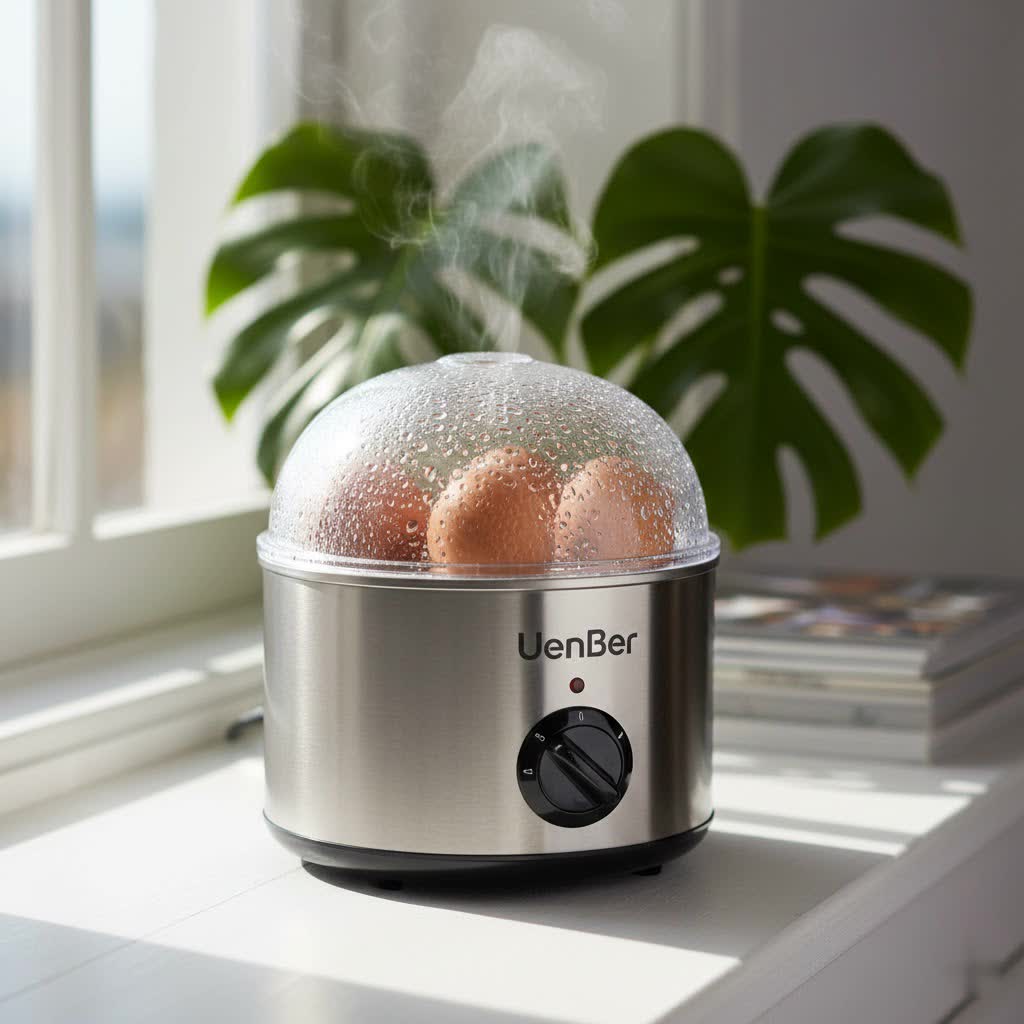
Do you dream of perfectly cooked eggs without the fuss? An egg boiler can be a major upgrade for your breakfast routine, offering unparalleled convenience and consistent results. While many models feature plastic components, understanding what to look for ensures you choose a safe, durable, and efficient appliance that perfectly fits your kitchen and lifestyle.
What is an Egg Boiler and Why Do You Need One?
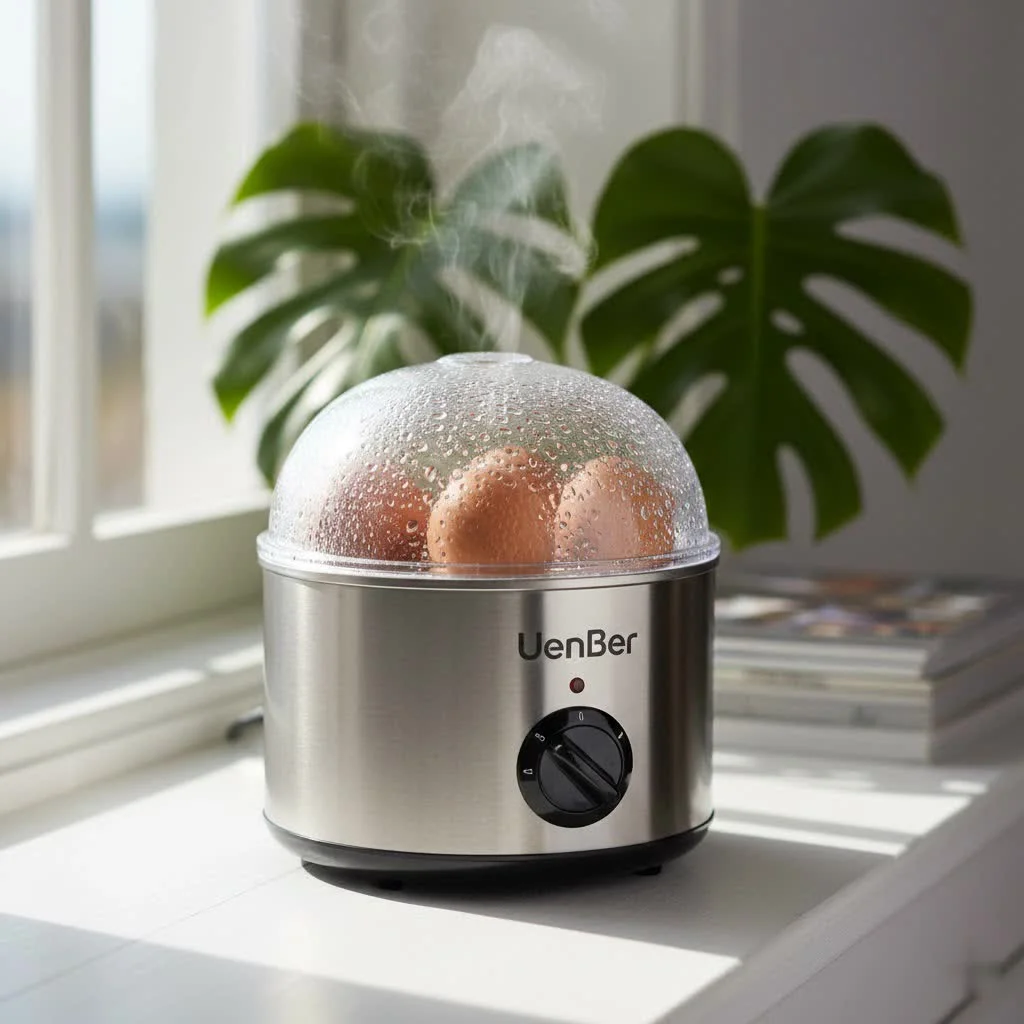
An egg boiler is a compact kitchen appliance designed to cook eggs using steam. Unlike traditional stovetop boiling, which demands constant attention and can lead to inconsistent results, egg boilers automate the process, providing ideal soft, medium, or hard-boiled eggs with minimal effort. They save valuable time, reduce energy consumption by heating only the necessary amount of water, and eliminate the guesswork often associated with achieving your preferred egg doneness. Beyond convenience, many egg boilers promote healthier cooking as they require no oil or butter, allowing you to enjoy the natural flavor and nutritional benefits of eggs.
Common Egg Boiler Types and Their Materials
The market offers various egg boiler designs, with material composition playing a significant role in their functionality, durability, and cost. Understanding the popular types helps you make an informed choice, especially when considering models with plastic elements.
- Electric Egg Boilers: These are the most prevalent type, typically featuring a heating plate (often stainless steel) and a main body, lid, and egg trays made from plastic.
- Advantages: Electric models are celebrated for their ease of use, often including automatic shut-off features and multiple cooking settings for precise results. Plastic components contribute to a lighter, more portable design and can help keep manufacturing costs down, making them generally more affordable. Many feature transparent plastic lids, allowing you to monitor the cooking process.
- Disadvantages: The primary concerns with plastic parts revolve around durability over time, especially with frequent exposure to high heat, and potential questions regarding chemical safety. However, reputable brands address this by using food-grade, BPA-free plastics.
- Microwave Egg Boilers: These are smaller, often entirely plastic devices designed for quick egg preparation in a microwave.
- Advantages: They offer extreme speed and portability, ideal for single servings or very busy individuals. Their compact size makes them perfect for small kitchens, dorm rooms, or office use.
- Disadvantages: Controlling the exact doneness of eggs can be more challenging with microwave models, and some users report a less desirable texture, such as rubbery eggs. Safety is also paramount, as only microwave-safe, food-grade plastics should ever be used, and incorrect operation can lead to issues.
- Stainless Steel Egg Boilers: While the focus is on plastic, it’s models that predominantly use stainless steel. These often feature stainless steel bodies in addition to heating plates.
- Advantages: Stainless steel is renowned for its exceptional durability, corrosion resistance, and high thermal conductivity, contributing to efficient and even heating. These models tend to have a longer lifespan.
- Disadvantages: They can be heavier and often come with a higher price tag than their plastic counterparts.
Comparing Egg Boiler Types
|
Our Picks for the Best Egg Boiler in 2026
As an Amazon Associate I earn from qualifying purchases.
|
||
| Num | Product | Action |
|---|---|---|
| 1 | Dash Rapid Egg Cooker - Boiler, Poacher & Steamer - Includes Measuring & Recipe Guide - Dishwasher Safe - Holds 7 Eggs, Aqua |

|
| 2 | Evoloop Rapid Egg Cooker Electric 6 Eggs Capacity, Soft, Medium, Hard Boiled, Poacher, Omelet Maker Egg Poacher With Auto Shut-Off, BPA Free |
|
| 3 | Elite Gourmet EGC007CHC# Rapid Egg Cooker, 7 Easy-To-Peel, Hard, Medium, Soft Boiled Eggs, Poacher, Omelet Maker, Auto Shut-Off, Alarm, 16-Recipe Booklet, Charcoal Grey |
|
| 4 | Elite Gourmet EGC115B Easy Egg Cooker Electric 7-Egg Capacity, Soft, Medium, Hard-Boiled Egg Cooker with Auto Shut-Off, Measuring Cup Included, BPA Free, Classic Black |
|
| 5 | DASH Electric Rapid Egg Cooker for Hard Boiled/Poached/Scrambled Eggs or Omelets with Auto Shut-Off Feature, Black, 7 Egg Capacity |
|
| 6 | Cuisinart CEC-10 Egg Central Egg Cooker, Brushed Stainless Steel |
|
| 7 | Microwave Egg Cooker, Quick-Heat Poacher Fryer with Lid, for Breakfast Sandwiches Dishwasher Safe Portable Multi-Use Egg Cooker Easy to Use and Clean (pink) |
|
| 8 | DASH Rapid Egg Cooker: 7 Egg Capacity Electric Egg Cooker for Hard Boiled Eggs, Poached Eggs, Scrambled Eggs, or Omelets. |
|
| 9 | Evoloop Rapid Egg Cooker Electric 12 Eggs Capacity, Soft, Medium, Hard Boiled, Poached, Omelet Maker Egg Poacher & Vegetable Steamer, BPA Free Tray |
|
| 10 | Annie & Mia Design Stainless Steel Electric Rapid Egg Cooker, 8 Egg Capacity 500W, Soft/Medium/Hard Boiled Egg Boiler Poacher Steamer Omelet Maker, Knob Auto Shut-Off, with Recipe Guide Book (Black) |
|
Here’s a comparison to highlight the differences, particularly focusing on the role of plastic components:
| Feature | Electric Egg Boiler (Plastic/Stainless Hybrid) | Microwave Egg Boiler (Primarily Plastic) | Stovetop Egg Boiler (Often Metal/Silicone) |
|---|---|---|---|
| Convenience | Very High | High | Medium |
| Speed | Medium | Very High | Medium |
| Precision | High (multiple settings) | Medium (can be inconsistent) | Medium (requires monitoring) |
| Cost | Medium | Low | Low |
| Safety Features | Auto shut-off, dry-heat protection | Relies on microwave safety | Manual monitoring required |
| Durability | Good (if quality plastic/steel) | Varies (can degrade with heat) | High |
| Portability | Medium | High | Low |
| Cleaning | Easy (removable, often dishwasher-safe parts) | Easy | Easy |
Choosing the Right Plastic Egg Boiler for Your Needs
Selecting the perfect egg boiler involves considering your specific requirements and prioritizing features that align with your cooking habits. When looking at models with plastic, these points become even more crucial:
- Determine Your Usage Needs:
- Capacity: How many eggs do you typically cook at once? Models range from 2-egg to 14-egg capacities. Smaller units are great for singles or couples, while larger ones suit families or meal preppers.
- Priority: Do you value speed, convenience, precise control over doneness, or a multi-functional appliance above all else?
- Evaluate Plastic Quality and Safety:
- BPA-Free Certification: Always look for egg boilers explicitly labeled “BPA-Free” and made from “food-grade” plastic. This ensures the plastic does not contain Bisphenol A, a chemical that has raised health concerns, particularly when heated.
- Material Type: Many reliable plastic egg boilers use ABS plastic, known for its higher melting point and durability. Ensure the plastic components, especially those that come into direct contact with steam or food, are designed to withstand high temperatures without leaching harmful substances.
- Consider Essential Features:
- Automatic Shut-Off: A vital safety feature, particularly for electric models. It prevents overcooking and overheating by turning off the appliance once the water has evaporated or the eggs are cooked to the desired consistency.
- Multiple Boiling Modes: Look for settings for soft, medium, and hard-boiled eggs, often controlled by the amount of water added or a simple dial.
- Versatility: Some plastic egg boilers come with additional trays for poaching eggs, making omelets, or steaming small vegetables, maximizing their utility beyond just boiling.
- Ease of Cleaning: Removable plastic trays and lids that are dishwasher-safe simplify maintenance significantly. Non-stick heating plates (often stainless steel) also aid in easy cleaning.
- Reputable Brands and User Reviews:
- Stick to well-known brands that have a track record of producing safe and durable kitchen appliances.
- Read user reviews carefully, paying attention to comments specifically about the plastic components – their durability, ease of cleaning, and any reported issues with warping or discoloration over time.
Top Egg Boilers Featuring Plastic Components
Egg boilers are available across various price points, each offering a balance of features and materials. When considering models with plastic, look for these general characteristics:
- Budget-Friendly Options (Often under $25): These typically feature a higher proportion of plastic in their construction, especially for the body, lid, and trays. Look for models that explicitly state “BPA-Free” and include essential safety features like automatic shut-off. They are excellent for those new to egg boilers or with limited budgets, providing basic boiling functions reliably.
- Mid-Range Selections ($25 – $50): This category often offers a good balance, combining sturdy, food-grade plastic components with stainless steel heating plates and sometimes reinforced plastic exteriors. You’ll find enhanced features like precise measuring cups, multiple cooking modes, and perhaps even additional poaching or omelet trays. These models prioritize durability and functionality for regular use.
- Premium Choices (Above $50): While often incorporating more stainless steel, many high-end egg boilers still utilize advanced, durable plastics for parts like lids, handles, and some internal trays. These plastics are typically engineered for superior heat resistance and longevity. Premium models often boast advanced digital controls, larger capacities, and refined aesthetics, providing a robust and feature-rich experience.
Tips for Using and Maintaining Your Plastic Egg Boiler
Proper use and maintenance are key to extending the lifespan and ensuring the safety of your plastic egg boiler:
- Always Read the Manual: Familiarize yourself with your specific model’s instructions, especially regarding water levels for different egg consistencies and cleaning guidelines.
- Use the Provided Measuring Cup: Accurate water measurement is crucial for achieving desired egg doneness and preventing overheating or undercooking.
- Clean After Every Use: Allow the appliance to cool, then wipe the heating plate clean and wash plastic trays and lids with warm, soapy water. Most removable plastic parts are top-rack dishwasher safe, but always check the manufacturer’s instructions.
- Avoid Abrasive Cleaners: Harsh chemicals or scrubbers can damage plastic surfaces, leading to scratches or degradation over time.
- Store Properly: Ensure the egg boiler is completely dry before storing it in a cool, dry place. Proper storage prevents mildew and maintains the integrity of both plastic and metal components.
Conclusion
Plastic egg boilers offer a convenient, efficient, and often affordable way to enjoy perfectly cooked eggs every time. By prioritizing models made with BPA-free, food-grade plastics and equipped with essential safety features like automatic shut-off, you can confidently integrate this handy appliance into your kitchen. Whether you opt for a simple microwave model or a feature-rich electric boiler, understanding the material and its implications ensures a safe and satisfying cooking experience.
Ready to improve your breakfast? Which features are most important for your ideal egg boiler?
Frequently Asked Questions
Is plastic in egg boilers safe for health?
Reputable egg boiler manufacturers use food-grade, BPA-free plastics for components that come into contact with eggs or steam. These materials are tested to ensure they do not leach harmful chemicals into your food during the cooking process. Always check for “BPA-Free” labeling on the product.
Can plastic egg boiler parts melt or warp?
High-quality plastics used in branded egg boilers are designed to withstand the temperatures generated during egg cooking. However, improper use, such as operating without sufficient water or prolonged exposure to heat beyond its intended function, could potentially cause warping or damage over time, especially in lower-quality products.
How do I know if an egg boiler uses food-grade plastic?
Look for clear indications on the product packaging or in the specifications that state “BPA-Free” and “food-grade materials.” Reputable brands will highlight these features as a shows their safety standards. Checking product certifications can also provide assurance.
Are plastic egg boiler trays dishwasher-safe?
Many removable plastic components, such as egg trays and lids, are designed to be dishwasher-safe, typically on the top rack. However, it is essential to consult your specific model’s instruction manual to confirm dishwasher compatibility and recommended cleaning methods to prevent damage.
What is the lifespan of a plastic egg boiler compared to a stainless steel one?
While plastic components can be very durable, stainless steel parts generally offer superior longevity and resistance to wear and tear, especially with frequent high-heat exposure. However, with proper care, a high-quality egg boiler with food-grade plastic components can still provide many years of reliable service.
Cooking gear we tested in our own kitchens
Free PDF — preheat times measured on 10 popular air fryers.
