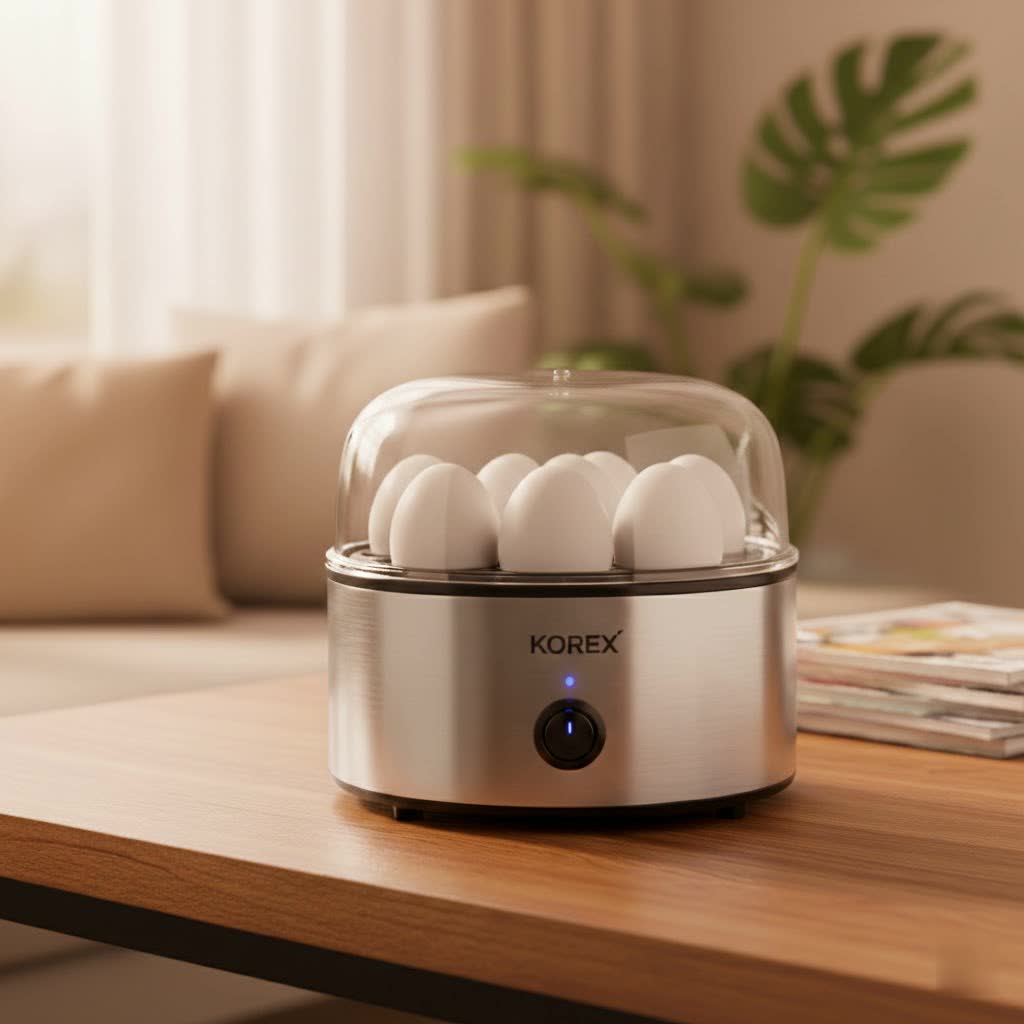
Tired of the perpetual battle with stubborn eggshells, chipping away at your perfectly cooked breakfast? You’re not alone. For decades, the quest for perfectly peeled eggs has driven countless kitchen innovations. Enter the silicone egg boiler, a game-changer designed to simplify your morning routine and deliver consistently cooked, shell-free eggs. This versatile kitchen tool promises a seamless experience, transforming the way you prepare everything from soft-boiled delights to hard-boiled snacks and even mini omelets.
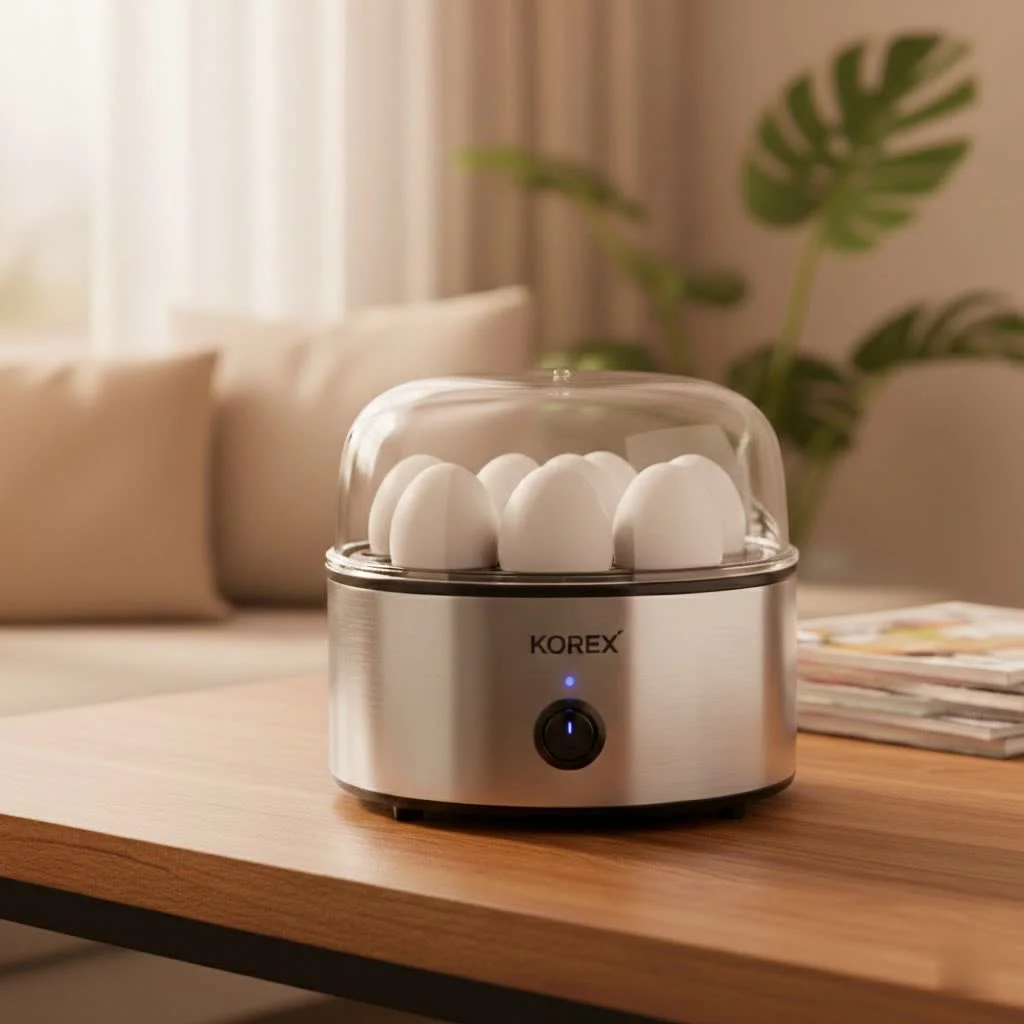
What is a Silicone Egg Boiler? Why Do You Need One?
A silicone egg boiler, often referred to as a silicone egg cooker or egg pod, is a specialized container crafted from food-grade silicone where you crack an egg directly into it before cooking. Unlike traditional methods where eggs are boiled in their shells, these innovative devices allow you to cook eggs without the shell. The primary appeal lies in eliminating the frustrating peeling process, ensuring your eggs emerge perfectly smooth and ready to eat or add to dishes. Beyond convenience, they offer consistent cooking results and expand your culinary options.
The main benefit of embracing a silicone egg boiler is the unparalleled ease of preparation and cleanup. No more struggling with tiny shell fragments or sacrificing precious egg whites during peeling. These devices ensure your eggs are cooked uniformly, making them ideal for salads, sandwiches, or simply enjoying on their own. The non-stick nature of silicone also makes for effortless egg release and quick washing.
Types of Egg Cookers: Focusing on Silicone Innovations
While the term “egg boiler” can encompass various appliances, silicone plays a distinct role, primarily offering a shell-free cooking experience.
- Silicone Egg Pods/Cups: This is the most common form of a silicone egg boiler. You crack raw eggs directly into these individual silicone cups, often with a screw-on lid, and then place the sealed pods into a pot of boiling water on a stovetop or even in a pressure cooker. They are celebrated for completely bypassing the peeling step. They can be used to make soft, medium, or hard-boiled eggs, and you can even add seasonings or vegetables before cooking to create small, customized omelets.
- Electric Egg Boilers: These standalone appliances use steam to cook eggs in their shells. While not inherently “silicone,” some advanced electric egg cookers may include silicone inserts for poaching or making egg bites, combining the convenience of an electric appliance with the non-stick benefits of silicone. These units are prized for their consistent results and auto-shutoff features.
- Microwave Egg Boilers (with Silicone components): Some microwave egg cookers utilize silicone molds or containers to cook eggs quickly in the microwave. These are typically compact and easy to use, though controlling the exact doneness can sometimes be tricky due to microwave variations.
- Traditional Pot Boiling: This classic method involves boiling eggs in their shells in a pot of water on a stovetop. While effective, it inherently involves the challenge of peeling, which silicone egg boilers aim to resolve.
Comparison Table: Silicone Egg Pods vs. Other Methods
To help you decide, here’s a comparison highlighting the key differences between silicone egg pods, electric egg boilers, and traditional stovetop boiling:
| Feature | Silicone Egg Pods | Electric Egg Boiler | Traditional Pot Boiling |
|---|---|---|---|
| Peeling Needed | No, shell-free cooking | Yes, after cooking | Yes, after cooking |
| Convenience | High (no peeling) | Very High (set & forget) | Medium (monitoring needed) |
| Consistency | High | Very High | Medium (can vary) |
| Egg Shape | Often flat/slightly unconventional | Natural egg shape | Natural egg shape |
| Versatility | Eggs, mini omelets | Eggs, poached, omelets | Eggs only |
| Cleaning | Very Easy (non-stick) | Easy (removable trays) | Medium (pot/shell mess) |
| Cost | Low | Medium to High | Very Low (pot only) |
| Power Source | Stovetop/Pot | Electricity | Stovetop/Gas |
How to Choose the Right Silicone Egg Boiler
Selecting the ideal silicone egg boiler involves considering your specific cooking habits and preferences. By evaluating a few key aspects, you can ensure you pick a product that seamlessly integrates into your kitchen routine.
- Determine Your Usage Needs: Consider how many eggs you typically prepare at once. Silicone egg boilers come in sets, usually 4 or 6, allowing you to cook multiple eggs simultaneously. If you’re cooking for one, a smaller set is sufficient; for a family, a larger pack might be more practical.
- Evaluate Key Features: Look for food-grade, BPA-free silicone for safety. Some designs might have different lid mechanisms or stand bases to keep them upright in the pot. While not complex, easy assembly and disassembly for cleaning are important.
- Consider Quality and Durability: Invest in reputable brands that use high-quality, heat-resistant silicone. This ensures longevity and consistent performance over many uses. Poor quality silicone might warp or degrade over time.
- Read User Reviews: Customer feedback is invaluable. Pay attention to comments regarding egg release, how easy they are to clean, and any issues with the cooked egg’s shape or texture. Reviews often highlight practical aspects that specifications don’t cover.
Mastering Your Silicone Egg Boiler: Tips and Maintenance
Using a silicone egg boiler is straightforward, but a few tips can enhance your experience and ensure perfectly cooked eggs every time. Proper care will also extend the life of your product.
- Preparation is Key: Lightly grease the inside of the silicone cups with a little oil or cooking spray before cracking in your eggs. While many silicone products claim to be non-stick, a thin layer of fat can guarantee effortless release, especially for hard-boiled eggs or when making omelets with mix-ins.
- Optimal Water Level and Timing: Place the filled silicone cups into a pot with enough water to submerge them or at least reach a sufficient level for steaming. Follow the manufacturer’s recommended cooking times for your desired doneness (soft, medium, or hard-boiled). Remember that cook times can vary slightly based on stove heat and egg size.
- Prevent Overfilling: Avoid cracking eggs too close to the rim of the silicone cup. Eggs expand slightly when cooking, and overfilling can lead to overflow or an unappealing shape.
- Cool Down Properly: Once cooked, carefully remove the silicone cups from the hot water. Some users find plunging them into an ice bath briefly helps to stop the cooking process and makes for easier handling and release. Squeeze the flexible silicone gently to pop out the cooked egg.
- Effortless Cleaning: Silicone egg boilers are renowned for their ease of cleaning. Most are dishwasher safe, or you can simply wash them by hand with warm, soapy water. Avoid abrasive scrubbers that could damage the silicone. Ensure they are completely dry before storing to prevent mildew.
- Safe Storage: Store your silicone egg boiler in a clean, dry place. Since they are flexible, they can often be nested or stored compactly, saving valuable kitchen space.
“Silicone egg boilers truly bridge the gap between convenience and quality for home cooks. The ability to customize your egg with mix-ins and eliminate peeling makes them a unique and valuable addition to any kitchen.” – Dr. Eleanor Vance, Culinary Innovation Specialist
Conclusion
The silicone egg boiler offers a modern, shell-free solution to a perennial kitchen challenge. By allowing you to cook eggs directly in their purest form, these simple yet effective tools save you time and effort, ensuring a smooth, consistent result without the frustration of peeling. Whether you crave a runny soft-boiled egg, a firm hard-boiled snack, or a personalized mini omelet, silicone egg cookers provide the versatility and convenience you need. If you’re ready to bid farewell to messy shells and inconsistent results, embracing a silicone egg boiler could be the perfect upgrade for your kitchen. What culinary creations will you unlock with your perfectly prepared, shell-free eggs?
Frequently Asked Questions
Do silicone egg boilers make eggs perfectly round?
|
Our Picks for the Best Egg Boiler in 2026
As an Amazon Associate I earn from qualifying purchases.
|
||
| Num | Product | Action |
|---|---|---|
| 1 | Annie & Mia Design Stainless Steel Electric Rapid Egg Cooker, 8 Egg Capacity 500W, Soft/Medium/Hard Boiled Egg Boiler Poacher Steamer Omelet Maker, Knob Auto Shut-Off, with Recipe Guide Book (Black) |

|
| 2 | Elite Gourmet EGC115B Easy Egg Cooker Electric 7-Egg Capacity, Soft, Medium, Hard-Boiled Egg Cooker with Auto Shut-Off, Measuring Cup Included, BPA Free, Classic Black |
|
| 3 | DASH Rapid Egg Cooker: 7 Egg Capacity Electric Egg Cooker for Hard Boiled Eggs, Poached Eggs, Scrambled Eggs, or Omelets. |
|
| 4 | Elite Gourmet EGC007CHC# Rapid Egg Cooker, 7 Easy-To-Peel, Hard, Medium, Soft Boiled Eggs, Poacher, Omelet Maker, Auto Shut-Off, Alarm, 16-Recipe Booklet, Charcoal Grey |
|
| 5 | Evoloop Rapid Egg Cooker Electric 6 Eggs Capacity, Soft, Medium, Hard Boiled, Poacher, Omelet Maker Egg Poacher With Auto Shut-Off, BPA Free |
|
| 6 | Cuisinart CEC-10 Egg Central Egg Cooker, Brushed Stainless Steel |
|
| 7 | DASH Electric Rapid Egg Cooker for Hard Boiled/Poached/Scrambled Eggs or Omelets with Auto Shut-Off Feature, Black, 7 Egg Capacity |
|
| 8 | Evoloop Rapid Egg Cooker Electric 12 Eggs Capacity, Soft, Medium, Hard Boiled, Poached, Omelet Maker Egg Poacher & Vegetable Steamer, BPA Free Tray |
|
| 9 | Microwave Egg Cooker, Quick-Heat Poacher Fryer with Lid, for Breakfast Sandwiches Dishwasher Safe Portable Multi-Use Egg Cooker Easy to Use and Clean (pink) |
|
| 10 | Dash Rapid Egg Cooker - Boiler, Poacher & Steamer - Includes Measuring & Recipe Guide - Dishwasher Safe - Holds 7 Eggs, Aqua |
|
No, eggs cooked in silicone egg boilers often have a slightly flattened bottom or an irregular shape due to the molding of the cup, rather than the perfectly oval shape of a shell-boiled egg. However, this typically doesn’t affect the taste or texture.
Are silicone egg boilers safe to use?
Yes, reputable silicone egg boilers are made from food-grade, BPA-free silicone, which is safe for cooking and can withstand high temperatures without leaching harmful chemicals into your food.
Can I make omelets in a silicone egg boiler?
Absolutely! Silicone egg boilers are excellent for making small, individual omelets. Simply whisk your egg, add your favorite seasonings, cheese, or finely chopped vegetables, pour into the greased silicone cup, and cook as usual.
How do I prevent eggs from sticking to the silicone cups?
Although silicone is generally non-stick, lightly greasing the inside of the cups with a bit of cooking spray or oil before adding the egg can ensure an even easier release, especially for hard-boiled eggs or eggs with added ingredients.
What is the ideal cooking time for different egg consistencies in silicone boilers?
Cooking times vary by stove, water temperature, and egg size, but a general guide is: 6-8 minutes for soft-boiled, 10-12 minutes for medium-boiled, and 14-16 minutes for hard-boiled eggs. It’s best to experiment slightly and follow any specific instructions provided with your product.
Cooking gear we tested in our own kitchens
Free PDF — preheat times measured on 10 popular air fryers.

I bought a set of these after reading about how they can make mini omelets, and I’m really impressed! It’s so convenient to just crack an egg, add some cheese and veggies, and cook it right in the pod. They come out perfectly shaped and are great for quick breakfasts on busy weekdays. A solid addition to my kitchen.
I was so tired of fighting with eggshells every morning, and these silicone egg boilers are a total lifesaver! I can finally make perfect hard-boiled eggs without any fuss. It’s amazing how much time I save, and the cleanup is super easy too. Definitely recommend for anyone who loves eggs but hates peeling them.
These are pretty good for soft-boiled eggs, which is what I mainly use them for. My only complaint is that sometimes the lid doesn’t seal perfectly, and a little water gets in if I’m not careful. It’s not a huge deal, but it means I have to be a bit more attentive when placing them in the pot. Still, way better than peeling.
As someone who cooks a lot, I’m always looking for ways to streamline my prep. These silicone egg cookers are fantastic for consistently cooked, shell-free eggs. I’ve used them for everything from deviled eggs to egg salads, and they perform flawlessly every time. A true game-changer for anyone who regularly prepares eggs.