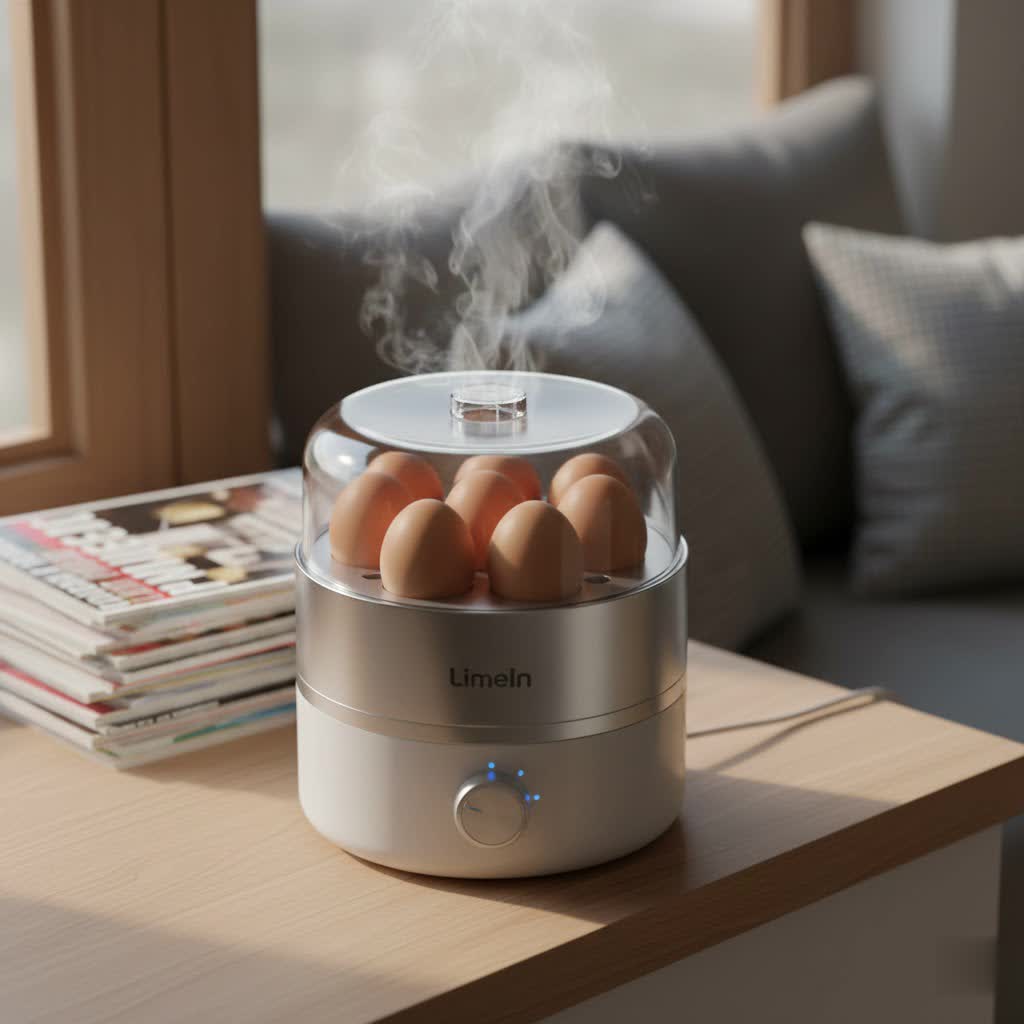
Tired of the guessing game when it comes to hard-boiled eggs? Achieving that ideal, firm yolk and easy-to-peel white can be surprisingly tricky with traditional methods. But what if there was a simple, foolproof solution to get perfectly hard-boiled eggs every single time? Enter the hard egg boiler – a dedicated kitchen appliance designed to eliminate the guesswork and deliver consistent results effortlessly. As a technician with over a decade of experience reviewing kitchen appliances, especially egg boilers, I’m here to guide you through the world of these handy devices and help you find the best one for your needs.
What is a Hard Egg Boiler? Why Do You Need One?
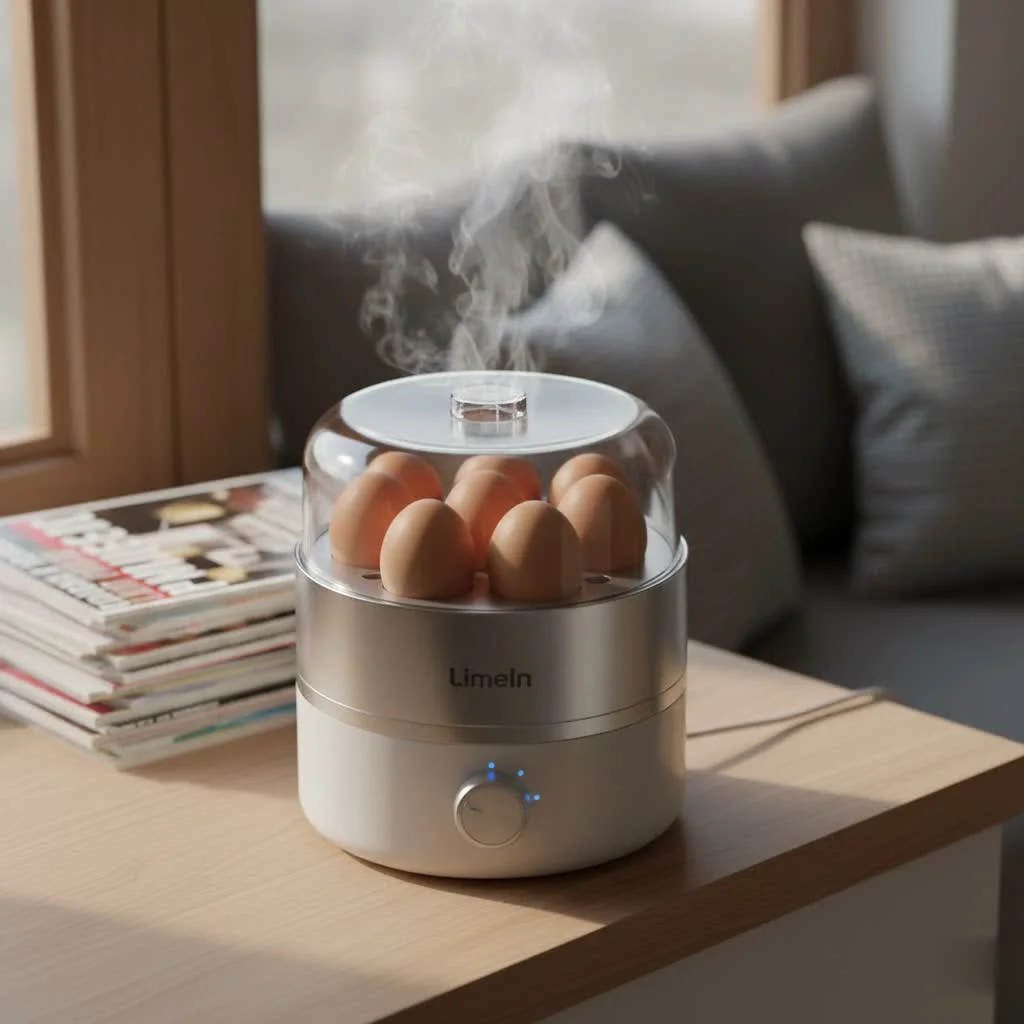
A hard egg boiler, also commonly known as an electric egg cooker, is a specialized kitchen appliance designed to cook eggs using steam. Unlike boiling eggs in a pot of water on a stovetop, an egg boiler requires a precise amount of water, which, when converted to steam, cooks the eggs to your desired doneness, from soft to perfectly hard-boiled.
The primary benefit of using a dedicated egg boiler for hard-boiled eggs is unparalleled consistency. No more green-tinged yolks, rubbery whites, or frustratingly difficult-to-peel shells. These devices streamline the process, allowing you to simply add water and eggs, press a button, and walk away. They save you time and effort, ensuring eggs are cooked evenly without constant monitoring, and often result in eggs that are remarkably easy to peel due to the steaming method.
Types of Egg Boilers Available
When considering an egg boiler, you’ll primarily encounter a few main types, each with its own set of advantages and considerations.
- Electric Egg Boilers: These are the most common and popular type. They typically consist of a heating plate, a water measuring cup, an egg tray, and a lid. You add water to the base, place eggs in the tray, and the heating element creates steam to cook them.
- Pros: Highly convenient with automatic shut-off and audible alerts. Many models offer settings for various doneness levels (though we’re focusing on hard-boiled here), providing precise control. They ensure consistent results.
- Cons: Requires an electrical outlet. Initial cost can be higher than a simple pot, and they take up counter space.
- Microwave Egg Boilers: These are simpler, non-electric devices designed for use in a microwave. They often look like small plastic or ceramic containers where eggs are placed with a small amount of water.
- Pros: Extremely fast cooking times and very compact for storage. Generally easy to clean. They are a budget-friendly option.
- Cons: Can be challenging to control the exact doneness, as microwave wattages vary. There’s a slight risk of eggs cracking or exploding if not used correctly (e.g., piercing eggs beforehand is crucial). Results may be less consistent than electric models.
- Stovetop Methods (for comparison): While not a “boiler” in the electric sense, traditional stovetop boiling in a pot is the alternative many people consider.
- Pros: No need for a special appliance, very low cost (just a pot and water).
- Cons: Requires constant monitoring of boiling water and precise timing to achieve desired doneness. Can lead to inconsistent results and frustratingly difficult-to-peel eggs if not done just right.
Comparison Table of Egg Boiler Types
|
Our Picks for the Best Egg Boiler in 2026
As an Amazon Associate I earn from qualifying purchases.
|
||
| Num | Product | Action |
|---|---|---|
| 1 | Evoloop Rapid Egg Cooker Electric 12 Eggs Capacity, Soft, Medium, Hard Boiled, Poached, Omelet Maker Egg Poacher & Vegetable Steamer, BPA Free Tray |

|
| 2 | Dash Rapid Egg Cooker - Boiler, Poacher & Steamer - Includes Measuring & Recipe Guide - Dishwasher Safe - Holds 7 Eggs, Aqua |
|
| 3 | DASH Electric Rapid Egg Cooker for Hard Boiled/Poached/Scrambled Eggs or Omelets with Auto Shut-Off Feature, Black, 7 Egg Capacity |
|
| 4 | Cuisinart CEC-10 Egg Central Egg Cooker, Brushed Stainless Steel |
|
| 5 | DASH Rapid Egg Cooker: 7 Egg Capacity Electric Egg Cooker for Hard Boiled Eggs, Poached Eggs, Scrambled Eggs, or Omelets. |
|
| 6 | Microwave Egg Cooker, Quick-Heat Poacher Fryer with Lid, for Breakfast Sandwiches Dishwasher Safe Portable Multi-Use Egg Cooker Easy to Use and Clean (pink) |
|
| 7 | Elite Gourmet EGC115B Easy Egg Cooker Electric 7-Egg Capacity, Soft, Medium, Hard-Boiled Egg Cooker with Auto Shut-Off, Measuring Cup Included, BPA Free, Classic Black |
|
| 8 | Elite Gourmet EGC007CHC# Rapid Egg Cooker, 7 Easy-To-Peel, Hard, Medium, Soft Boiled Eggs, Poacher, Omelet Maker, Auto Shut-Off, Alarm, 16-Recipe Booklet, Charcoal Grey |
|
| 9 | Annie & Mia Design Stainless Steel Electric Rapid Egg Cooker, 8 Egg Capacity 500W, Soft/Medium/Hard Boiled Egg Boiler Poacher Steamer Omelet Maker, Knob Auto Shut-Off, with Recipe Guide Book (Black) |
|
| 10 | Evoloop Rapid Egg Cooker Electric 6 Eggs Capacity, Soft, Medium, Hard Boiled, Poacher, Omelet Maker Egg Poacher With Auto Shut-Off, BPA Free |
|
| Feature | Electric Egg Boiler | Microwave Egg Boiler | Stovetop Pot Method |
|---|---|---|---|
| Convenience | Very High | High | Medium |
| Speed | Medium | Fast | Medium |
| Accuracy (Doneness) | High | Medium | Medium |
| Initial Cost | Medium to High | Low | Very Low |
| Safety | High | Medium | Medium |
| Ease of Cleaning | Easy | Easy | Fairly Easy |
How to Choose the Right Hard Egg Boiler for You
Selecting the perfect hard egg boiler depends on your specific cooking habits and preferences. Consider these factors before making your purchase:
- Identify Your Needs: How many hard-boiled eggs do you typically need at once? Capacities vary from 1-2 eggs for personal use to 7, 12, or even 14 eggs for larger families or meal prepping. Do you prioritize speed, convenience, precise doneness, or budget? For strictly hard-boiled eggs, focus on models known for their reliability in this setting.
- Consider Features: Look for features that enhance your experience. An automatic shut-off with an audible alert is invaluable, preventing overcooking and letting you know exactly when your eggs are ready. A measuring cup with clear markings for different doneness levels (especially “hard”) is essential. Check for dishwasher-safe parts for easy cleanup. Some models also offer versatility for poaching or making omelets, which can be a bonus.
- Choose Reputable Brands: Brands like Dash, Cuisinart, and Hamilton Beach are frequently mentioned in top reviews for their reliable egg boilers that produce excellent hard-boiled eggs. While the specific models might vary, these brands generally offer good quality and customer support.
- Read User Reviews: Always consult feedback from other users, specifically looking for comments on how well the device performs for hard-boiled eggs. Pay attention to remarks about consistency, ease of peeling, and durability. “The Dash Rapid Egg Cooker is consistently praised for delivering perfect, peelable hard-boiled eggs every single time, making it a favorite for busy mornings.”
Top-Rated Hard Egg Boilers on the Market
Based on widespread user satisfaction and expert reviews, here are some highly recommended hard egg boilers across different price points, focusing on their performance for achieving perfect hard-boiled eggs.
- Budget-Friendly (Under $30):
- Dash Rapid Egg Cooker: This compact and affordable electric egg cooker is a perennial favorite for its simplicity and reliable hard-boiled results. It uses a measuring cup to determine water levels for soft, medium, or hard eggs and automatically shuts off with a chime. Its non-electronic parts are often dishwasher-safe, making cleanup a breeze. Many users praise its consistent ability to produce easy-to-peel hard-boiled eggs quickly.
- Mid-Range ($30 – $50):
- Cuisinart Egg Central Egg Cooker: A robust option, the Cuisinart Egg Central can cook up to 10 eggs at once and is known for its sturdy build and user-friendly interface. It excels at producing consistent hard-boiled eggs, and often comes with additional trays for poaching or omelets, adding to its versatility. Its design is typically more premium than budget models.
- Premium/Versatile ($50+):
- Chef’sChoice Gourmet Egg Cooker: For those seeking precision and advanced features, the Chef’sChoice model offers electronic timers and a customizable piercing pin, allowing for precise control over doneness. While it can be pricier, it delivers exceptional, consistently hard-boiled eggs and often includes a keep-warm function, ideal for discerning egg enthusiasts.
Tips for Using and Maintaining Your Hard Egg Boiler
To ensure your hard egg boiler serves you well for years and consistently delivers perfect results:
- Read the Manual: Always thoroughly read the manufacturer’s instructions, especially regarding water levels for different doneness settings. This is crucial for achieving your desired hard-boiled consistency.
- Use the Measuring Cup: The included measuring cup is calibrated specifically for your device. Using it accurately for the “hard-boiled” line will prevent over or undercooking.
- Pierce Eggs (Optional but Recommended): Many egg boilers come with a piercing pin. Gently piercing the larger end of the egg can help prevent cracking during cooking and make peeling easier.
- Clean After Each Use: To prevent mineral buildup on the heating plate, clean the appliance after every use. Many non-electric parts are dishwasher-safe, or a simple wipe-down with warm, soapy water will suffice.
- Avoid Harsh Cleaners: Do not use abrasive pads or harsh chemical cleaners, as these can damage the non-stick surfaces or plastic components.
- Proper Storage: Store your egg boiler in a dry, cool place, ensuring all parts are completely dry before storing to prevent mildew or corrosion.
Conclusion
A hard egg boiler is more than just a novelty; it’s a practical, efficient, and reliable kitchen tool for anyone who appreciates consistently perfect hard-boiled eggs. By steaming eggs precisely, these devices eliminate the common frustrations of traditional methods, offering effortless preparation and easy peeling. Whether you’re a busy individual needing quick breakfasts or a meal prepper looking for consistency, choosing the right electric egg cooker can revolutionize your egg routine. With various types and features available, there’s a perfect model out there to simplify your life and deliver flawlessly firm eggs every time.
What are your thoughts on integrating an egg boiler into your daily kitchen routine?
Frequently Asked Questions
What makes an electric egg boiler better for hard-boiled eggs than a pot?
Electric egg boilers use a precise amount of water to create steam, which cooks eggs more evenly and gently than boiling water. This steam cooking often leads to eggs that are consistently firm and remarkably easy to peel, avoiding the green ring around the yolk often seen with overcooked stovetop eggs.
Can I achieve different levels of doneness (soft, medium, hard) with a hard egg boiler?
Yes, most electric egg boilers come with a measuring cup that has different fill lines for soft, medium, and hard-boiled eggs. By adding the exact amount of water specified for “hard,” you can ensure your eggs reach the desired firm consistency.
How do I clean my egg boiler?
Typically, the non-electric components like the egg tray and lid are dishwasher-safe. The heating plate at the base, which can accumulate mineral deposits, usually needs to be wiped clean with a damp cloth and a mild descaling solution like vinegar if necessary. Always refer to your specific model’s manual for detailed cleaning instructions.
Is it safe to leave an electric egg boiler unattended?
Most modern electric egg boilers are designed with safety in mind, featuring automatic shut-off functions and audible alerts when cooking is complete, making them safe to leave unattended during the cooking cycle. However, it’s always recommended to be present in the house and follow all manufacturer safety guidelines.
Do I need to pierce the eggs before putting them in the boiler?
Many egg boilers come with a piercing tool. While not strictly mandatory for all models or all eggs, piercing a small hole in the larger end of the egg before cooking can help prevent cracking due to pressure buildup inside the shell, and some users find it aids in easier peeling.
Cooking gear we tested in our own kitchens
Free PDF — preheat times measured on 10 popular air fryers.
