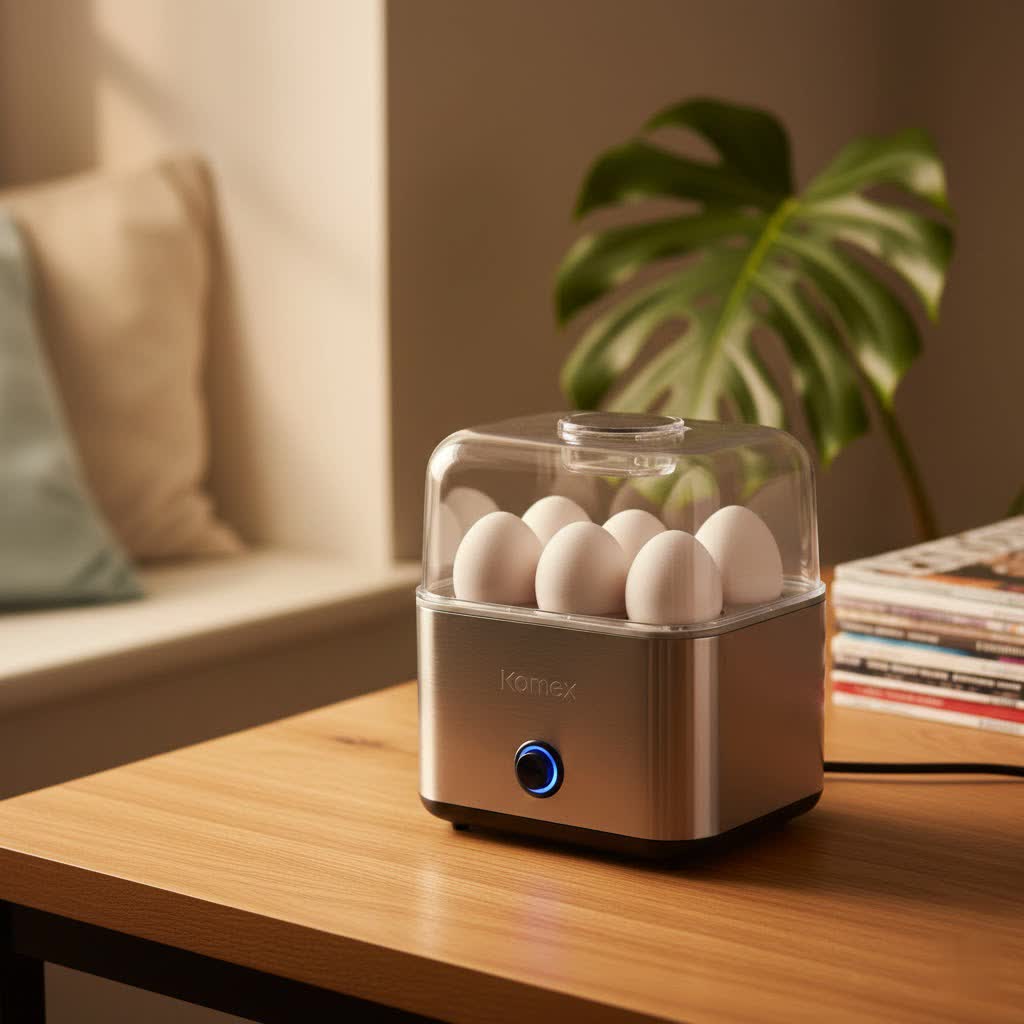
Finding time for a nutritious breakfast can often feel like a luxury. You crave perfectly cooked eggs – whether hard-boiled, poached, or scrambled – but the thought of juggling pots, pans, and precise timings can be daunting. Enter the microwave egg boiler, a revolutionary kitchen gadget designed to simplify your morning routine and deliver delicious eggs in minutes. This comprehensive guide will examine everything you need to know about these convenient devices, helping you choose the best one to effortlessly improve your breakfast game.
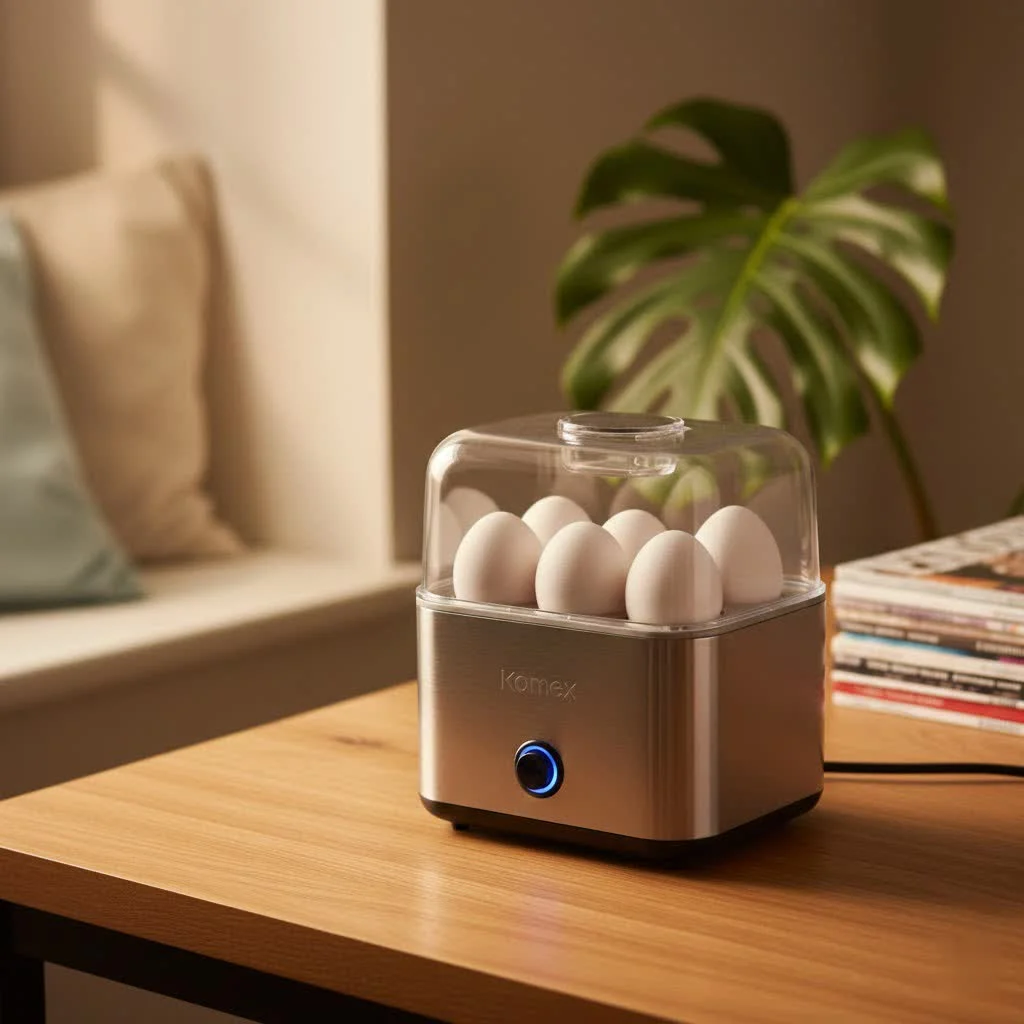
What is a Microwave Egg Boiler? Why You Need One for Modern Kitchens
A microwave egg boiler is a specialized kitchen appliance that use the power of your microwave to cook eggs rapidly and efficiently. Unlike traditional stovetop boiling, which requires a pot of water and constant supervision, these devices use controlled steam or direct microwave energy to achieve various levels of egg doneness with minimal effort. This innovative approach makes them an indispensable tool for anyone seeking a quicker, cleaner, and more consistent way to prepare eggs.
The primary benefit lies in their unparalleled convenience. Imagine skipping the messy cleanup of a sticky saucepan or the guesswork of timing your eggs perfectly on the stove. Microwave egg boilers typically involve adding a measured amount of water, placing your eggs, and simply setting a timer. They eliminate boiling water hazards, reduce cooking time significantly, and often result in eggs that are easier to peel. For small kitchens, dorm rooms, or busy professionals, a microwave egg boiler frees up valuable counter space and precious morning minutes, making a healthy breakfast more accessible than ever before.
Exploring the Popular Types of Microwave Egg Boilers
The market offers a diverse range of microwave egg boilers, each designed to cater to specific egg preparation preferences. Understanding these types will help you identify the perfect fit for your culinary needs.
Whole Egg Boilers (Steam-based)
These devices are engineered to cook eggs in their shells, mimicking the traditional boiling process but within the microwave’s controlled environment. They usually consist of a base for water, a tray to hold the eggs, and a lid. The microwave heats the water, generating steam that cooks the eggs to your desired consistency.
- Mechanism: Water placed in the base turns into steam, which surrounds and cooks the eggs. Crucially, these designs often include vents or mechanisms to safely manage steam pressure, preventing the eggs from exploding within their shells—a common hazard of microwaving whole, un-pierced eggs directly.
- Pros: Excellent for achieving consistently hard-boiled or soft-boiled eggs, similar to stovetop results. They are often straightforward to use, requiring only water and timing.
- Cons: Still involve handling hot water and steam after cooking. Capacity is usually limited, typically to 1-4 eggs. Some users report that while convenient, the peeling can sometimes be challenging, although this often depends on the specific model and freshness of the eggs.
- Examples: Popular models like the Nordic Ware Microwave Egg Boiler and Joie’s Big Boiley fall into this category, known for their ability to steam multiple eggs effectively.
Poachers & Scramblers (Direct Cook)
|
Our Picks for the Best Egg Boiler in 2026
As an Amazon Associate I earn from qualifying purchases.
|
||
| Num | Product | Action |
|---|---|---|
| 1 | Evoloop Rapid Egg Cooker Electric 6 Eggs Capacity, Soft, Medium, Hard Boiled, Poacher, Omelet Maker Egg Poacher With Auto Shut-Off, BPA Free |

|
| 2 | Microwave Egg Cooker, Quick-Heat Poacher Fryer with Lid, for Breakfast Sandwiches Dishwasher Safe Portable Multi-Use Egg Cooker Easy to Use and Clean (pink) |
|
| 3 | DASH Electric Rapid Egg Cooker for Hard Boiled/Poached/Scrambled Eggs or Omelets with Auto Shut-Off Feature, Black, 7 Egg Capacity |
|
| 4 | Elite Gourmet EGC007CHC# Rapid Egg Cooker, 7 Easy-To-Peel, Hard, Medium, Soft Boiled Eggs, Poacher, Omelet Maker, Auto Shut-Off, Alarm, 16-Recipe Booklet, Charcoal Grey |
|
| 5 | Dash Rapid Egg Cooker - Boiler, Poacher & Steamer - Includes Measuring & Recipe Guide - Dishwasher Safe - Holds 7 Eggs, Aqua |
|
| 6 | Cuisinart CEC-10 Egg Central Egg Cooker, Brushed Stainless Steel |
|
| 7 | Evoloop Rapid Egg Cooker Electric 12 Eggs Capacity, Soft, Medium, Hard Boiled, Poached, Omelet Maker Egg Poacher & Vegetable Steamer, BPA Free Tray |
|
| 8 | DASH Rapid Egg Cooker: 7 Egg Capacity Electric Egg Cooker for Hard Boiled Eggs, Poached Eggs, Scrambled Eggs, or Omelets. |
|
| 9 | Elite Gourmet EGC115B Easy Egg Cooker Electric 7-Egg Capacity, Soft, Medium, Hard-Boiled Egg Cooker with Auto Shut-Off, Measuring Cup Included, BPA Free, Classic Black |
|
| 10 | Annie & Mia Design Stainless Steel Electric Rapid Egg Cooker, 8 Egg Capacity 500W, Soft/Medium/Hard Boiled Egg Boiler Poacher Steamer Omelet Maker, Knob Auto Shut-Off, with Recipe Guide Book (Black) |
|
This category of microwave egg cookers focuses on preparing eggs out of their shells, making them ideal for dishes like poached eggs, scrambled eggs, or omelets for breakfast sandwiches.
- Mechanism: Eggs are cracked directly into individual cups or molds within the device. The microwave then cooks the egg directly, often in a very short amount of time. Some models allow for adding cheese or vegetables directly into the mold for quick omelets.
- Pros: Exceptionally fast, with cooking times often under a minute for a single egg. Perfect for quick breakfast sandwiches or adding a protein boost to salads. Minimal cleanup as eggs are cooked in non-stick or easily washable containers.
- Cons: The texture of scrambled or poached eggs from these devices can sometimes be described as “rubbery” by some users, differing from stovetop preparations. They are not designed for cooking eggs in their shells.
- Examples: Devices like the OXO Good Grips Microwave Egg Cooker and Sistema Microwave Egg Cooker are excellent choices for rapid poached or scrambled eggs. The Easy Eggwich Maker specializes in creating a circular egg patty for sandwiches.
Microwave Egg Boiler Comparison: Features at a Glance
To help you decide, here’s a quick comparison of the two main types:
| Feature | Whole Egg Boiler (Steam) | Poacher/Scrambler (Direct Cook) |
|---|---|---|
| Primary Use | Hard-boiled, medium-boiled, soft-boiled eggs | Poached, scrambled eggs, omelets |
| Egg Preparation | Usually whole in shell | Cracked into cups/molds |
| Speed | Fast (5-10 minutes) | Very Fast (30-90 seconds) |
| Doneness Control | Good for boiled consistency | Variable; texture can differ |
| Safety (Shells) | Designed to be safe for whole eggs | Not applicable (no shells used) |
| Capacity | Typically 1-4 eggs | Typically 1-2 eggs |
| Cleaning | Generally easy, often dishwasher-safe | Generally easy, often dishwasher-safe |
How to Choose the Best Microwave Egg Boiler for Your Needs
Selecting the perfect microwave egg boiler involves considering your specific egg-cooking habits and preferences.
- Consider Your Egg Preferences: Do you primarily crave perfectly peeled hard-boiled eggs for meal prep, or are you looking for a quick way to make poached eggs for toast or scrambled eggs for a sandwich? If hard-boiled eggs are your priority, a steam-based whole egg boiler is ideal. For quick omelets or poached eggs, a direct-cook poacher/scrambler will serve you better.
- Capacity: How many eggs do you typically need to cook at once? Most microwave egg boilers accommodate 1-4 eggs. If you’re cooking for a family, look for models with higher capacity or consider purchasing multiple units for efficiency.
- Ease of Use & Safety: Look for designs with clear instructions, easy-to-read water measurement lines (if applicable), and stay-cool handles for safe removal from the microwave. Proper venting is crucial for any device cooking eggs in their shells to prevent pressure buildup.
- Material & Durability: Most egg boilers are made from BPA-free plastic, silicone, or a combination. Ensure the materials are microwave-safe and durable for long-term use. Dishwasher-safe components simplify cleanup significantly.
- Brand Reputation & Reviews: Reputable brands often offer more consistent results and better customer support. Reading user reviews can provide valuable insights into a product’s real-world performance, durability, and any potential quirks.
- Versatility: Some models offer trays for both boiling and poaching, providing more cooking options within a single device. Decide if this versatility is worth a potentially higher price point.
Top Microwave Egg Boilers: Our Recommendations
Based on performance, user feedback, and versatility, here are some top recommendations across different categories:
-
Best Overall for Boiled Eggs: Nordic Ware Microwave Egg Boiler
This classic model consistently earns high marks for its ability to steam up to four eggs to various degrees of doneness. Its simple, robust design ensures reliability, and it’s a staple for those who prefer their eggs in their shells. It’s compact and doesn’t require electricity beyond your microwave.- Pros: Efficiently steams eggs to hard, medium, or soft consistency; durable and compact design; easy to clean.
- Cons: Can be hot to handle directly after microwaving; primarily designed for whole eggs, not versatile for scrambled or poached.
-
Best for Quick Poached/Scrambled: OXO Good Grips Microwave Egg Cooker
For individuals seeking lightning-fast poached or scrambled eggs, the OXO Good Grips cooker is an excellent choice. It allows you to crack an egg directly into its non-stick cup, whisk if desired, and microwave for a perfect breakfast sandwich in under a minute.- Pros: Exceptionally fast cooking for single servings; non-stick surface ensures easy release and cleanup; stay-cool handles for safe handling; ideal for breakfast sandwiches.
- Cons: Limited to one egg at a time; not suitable for cooking eggs in their shells; some users might find the texture slightly different from stovetop poached eggs.
-
Budget-Friendly & Versatile: Sistema Microwave Egg Cooker
The Sistema Microwave Egg Cooker is a cost-effective option that offers surprising versatility. It’s often used for making quick omelets, scrambled eggs, or even poached eggs, making it a good all-rounder for those on a budget.- Pros: Affordable and widely available; good for quick omelets and scrambled eggs; easy to clean and often dishwasher-safe.
- Cons: May not achieve the “perfect” hard-boiled egg consistency for all users; texture can be inconsistent for poached eggs compared to dedicated poachers.
Tips for Using and Maintaining Your Microwave Egg Boiler
To ensure the best results and extend the life of your microwave egg boiler, follow these essential tips:
- Always Read the Instructions: Each model has specific water requirements and cooking times based on microwave wattage and desired doneness. Deviating from these can lead to undercooked eggs, overcooked rubbery eggs, or even potential hazards.
- Prick Eggs (If Recommended): For whole egg boilers, some models may suggest piercing the larger end of the egg with a pin. This helps release steam and prevent cracking or bursting, though many modern designs incorporate vents to negate this need.
- Accurate Water Measurement is Key: The amount of water directly influences the steaming process and the final doneness. Use the provided measuring cup or follow the guidelines precisely.
- Adjust for Microwave Wattage: Microwave power varies, so be prepared to slightly adjust cooking times. A lower-wattage microwave might require a minute or two more, while a higher-wattage one might need less time.
- Allow for Stand Time: Most recipes will instruct you to let the eggs stand in the cooker for a few minutes after microwaving. This carryover cooking is crucial for achieving the desired consistency and ensures the device is safer to handle.
- Handle with Care: Always use oven mitts or kitchen towels when removing a hot egg boiler from the microwave, especially steam-based models that contain boiling water.
- Regular Cleaning: To prevent buildup and maintain hygiene, clean your egg boiler after each use. Most components are top-rack dishwasher safe, but always check the manufacturer’s care instructions. Avoid abrasive cleaners or scouring pads that could damage surfaces.
“A microwave egg boiler isn’t just a gadget; it’s a time-saver and a breakfast major upgrade. It empowers busy individuals to enjoy fresh, perfectly cooked eggs without the traditional fuss.”
Conclusion
Microwave egg boilers have undeniably carved out a significant niche in modern kitchens, offering an unrivaled blend of speed, convenience, and versatility. Whether you’re a student living in a dorm, a busy parent, or simply someone looking to streamline your morning routine, these compact devices provide a fuss-free solution for enjoying everything from perfectly hard-boiled eggs to fluffy scrambled delights. By understanding the different types available, considering your personal needs, and following proper usage and maintenance tips, you can unlock a world of effortless egg-cooking possibilities. Why continue to struggle with traditional methods when a world of fast, perfectly cooked eggs is just a microwave minute away?
Frequently Asked Questions
Can you put a whole egg in the microwave?
No, you should never place a whole egg in its shell directly into a microwave without a specialized cooker, as the rapid steam buildup inside the shell can cause it to explode. Always use a dedicated microwave egg boiler designed for whole eggs or crack the egg into a microwave-safe dish first.
How long does it take to cook an egg in a microwave egg boiler?
Cooking times vary significantly based on your microwave’s wattage, the type of egg boiler, and your desired doneness. Generally, it can range from 30 seconds for a single poached egg to around 5-10 minutes for multiple hard-boiled eggs, plus additional standing time. Always refer to your specific cooker’s instructions.
Are microwave egg cookers safe to use?
Yes, when used according to the manufacturer’s instructions, microwave egg cookers are designed to be safe. They incorporate features like steam vents to prevent pressure buildup, ensuring that eggs cook without exploding. Always handle the hot device carefully after cooking.
Can microwave egg boilers make different types of eggs?
Many microwave egg boilers are quite versatile. Steam-based models are primarily for hard, medium, or soft-boiled eggs, while direct-cook models excel at making poached eggs, scrambled eggs, and even small omelets. Some devices offer attachments or designs that allow for multiple cooking styles.
Cooking gear we tested in our own kitchens
Free PDF — preheat times measured on 10 popular air fryers.
