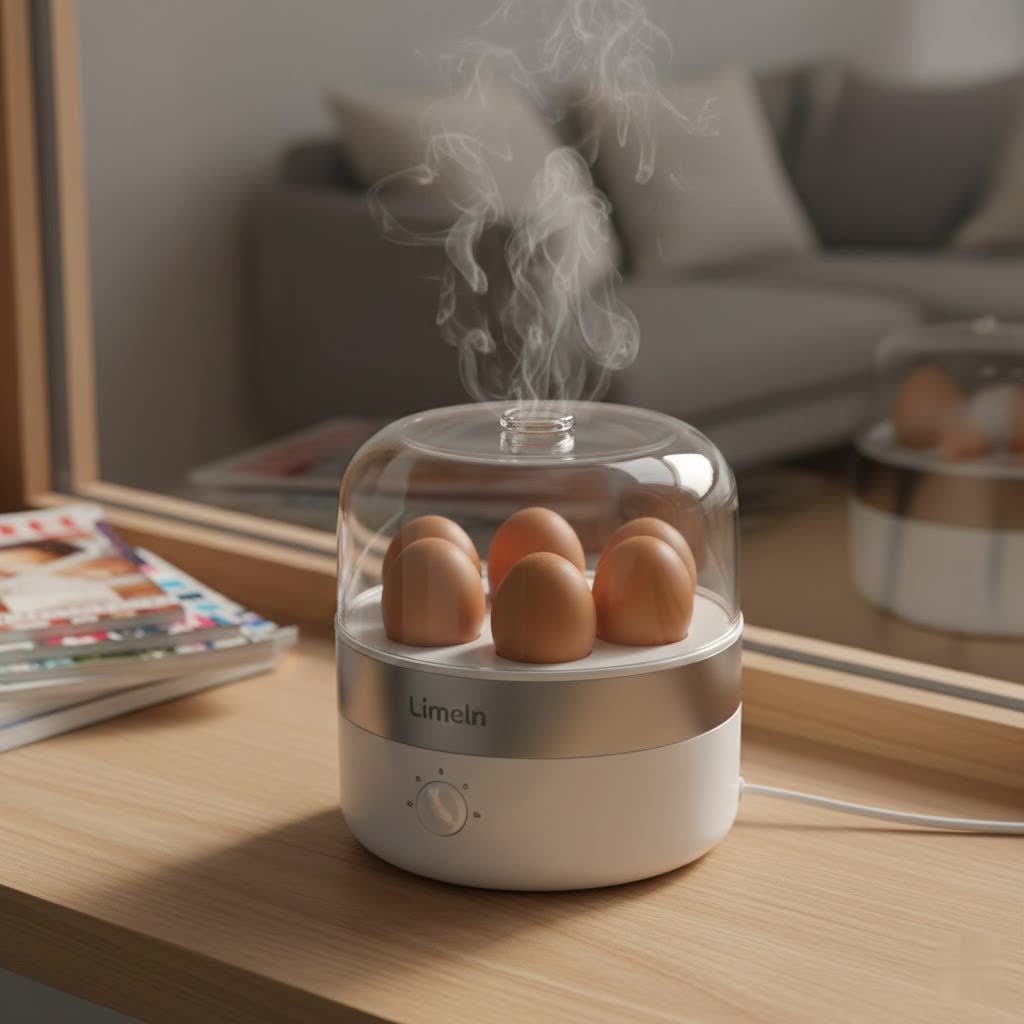
Are you tired of the kitchen chaos that often accompanies cooking eggs, striving for that elusive perfect soft boil or a flawlessly poached creation? If the answer is yes, then investing in an egg boiler and poacher might just be the kitchen revolution you need. These compact appliances promise to transform your breakfast routine, delivering consistently perfect eggs without the guesswork or the mess. But with a myriad of options available, how do you find the ideal egg boiler and poacher to meet your culinary desires? This comprehensive guide will crack the code, helping you navigate the choices and discover the appliance that will elevate your egg game.
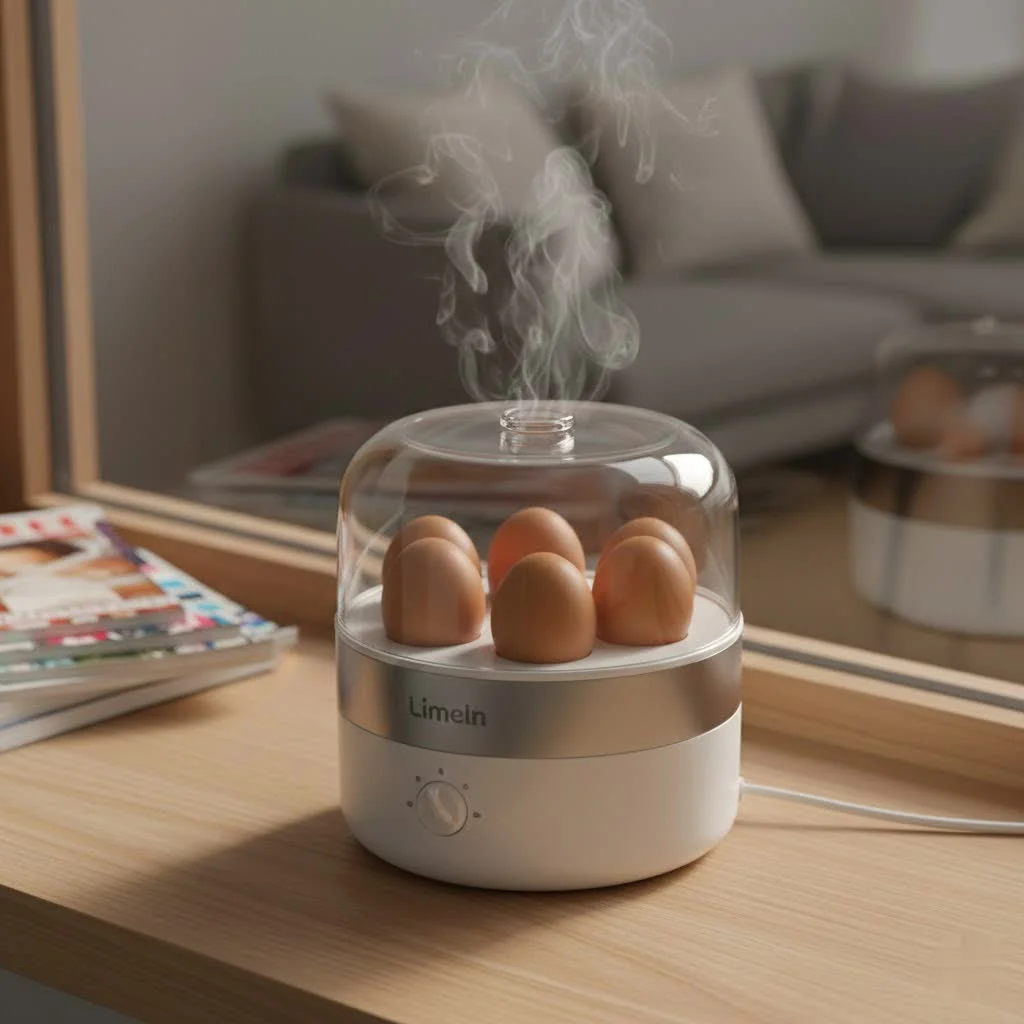
What is an Egg Boiler and Poacher? Why Do You Need One?
An egg boiler and poacher is a specialized kitchen appliance designed to cook eggs using steam, offering a convenient and precise alternative to traditional stovetop methods. Unlike boiling water in a pot, these devices utilize a controlled amount of water to generate steam, ensuring consistent heat distribution and taking the guesswork out of achieving your desired egg doneness.
The benefits of integrating an egg boiler and poacher into your kitchen are numerous. Primarily, they offer unparalleled convenience and consistency. Gone are the days of anxiously watching a pot or setting multiple timers; many models feature automatic shut-off functions and precise water measurements for soft, medium, or hard-boiled eggs. This “set-and-forget” functionality saves you valuable time and effort, particularly during busy mornings. Beyond boiling, the poacher function allows for perfectly cooked poached eggs, a notoriously tricky task, without the need for vinegar or constant swirling. Moreover, these versatile gadgets can often handle other tasks like steaming vegetables or making small omelets, making them a multifunctional addition to any kitchen.
Popular Types of Egg Boilers and Poachers on the Market
The market offers several types of egg boilers and poachers, each with distinct advantages and disadvantages to consider based on your cooking style and kitchen setup.
Electric Egg Boilers and Poachers
Electric models are by far the most popular category, known for their convenience and advanced features.
- Pros: They are incredibly easy to use, often requiring just a press of a button after adding water. Many come with multiple preset modes for varying levels of doneness (soft, medium, hard-boiled) and dedicated trays for poaching or even making omelets. Safety features like automatic shut-off prevent overcooking and provide peace of mind. They generally offer consistent and reliable results.
- Cons: These appliances require a power outlet, which might limit placement options in your kitchen. They can also be a higher initial investment compared to simpler methods.
Microwave Egg Boilers and Poachers
|
Our Picks for the Best Egg Boiler in 2026
As an Amazon Associate I earn from qualifying purchases.
|
||
| Num | Product | Action |
|---|---|---|
| 1 | DASH Rapid Egg Cooker: 7 Egg Capacity Electric Egg Cooker for Hard Boiled Eggs, Poached Eggs, Scrambled Eggs, or Omelets. |

|
| 2 | Elite Gourmet EGC115B Easy Egg Cooker Electric 7-Egg Capacity, Soft, Medium, Hard-Boiled Egg Cooker with Auto Shut-Off, Measuring Cup Included, BPA Free, Classic Black |
|
| 3 | Annie & Mia Design Stainless Steel Electric Rapid Egg Cooker, 8 Egg Capacity 500W, Soft/Medium/Hard Boiled Egg Boiler Poacher Steamer Omelet Maker, Knob Auto Shut-Off, with Recipe Guide Book (Black) |
|
| 4 | Evoloop Rapid Egg Cooker Electric 6 Eggs Capacity, Soft, Medium, Hard Boiled, Poacher, Omelet Maker Egg Poacher With Auto Shut-Off, BPA Free |
|
| 5 | Dash Rapid Egg Cooker - Boiler, Poacher & Steamer - Includes Measuring & Recipe Guide - Dishwasher Safe - Holds 7 Eggs, Aqua |
|
| 6 | Elite Gourmet EGC007CHC# Rapid Egg Cooker, 7 Easy-To-Peel, Hard, Medium, Soft Boiled Eggs, Poacher, Omelet Maker, Auto Shut-Off, Alarm, 16-Recipe Booklet, Charcoal Grey |
|
| 7 | Microwave Egg Cooker, Quick-Heat Poacher Fryer with Lid, for Breakfast Sandwiches Dishwasher Safe Portable Multi-Use Egg Cooker Easy to Use and Clean (pink) |
|
| 8 | DASH Electric Rapid Egg Cooker for Hard Boiled/Poached/Scrambled Eggs or Omelets with Auto Shut-Off Feature, Black, 7 Egg Capacity |
|
| 9 | Cuisinart CEC-10 Egg Central Egg Cooker, Brushed Stainless Steel |
|
| 10 | Evoloop Rapid Egg Cooker Electric 12 Eggs Capacity, Soft, Medium, Hard Boiled, Poached, Omelet Maker Egg Poacher & Vegetable Steamer, BPA Free Tray |
|
These options leverage your microwave as the heat source, appealing to those with limited counter space or a preference for minimalist gadgets.
- Pros: They are exceptionally fast, often cooking eggs in mere minutes. Their compact size makes them easy to store, and they are generally straightforward to clean. They don’t require an additional power outlet, relying solely on your microwave.
- Cons: Controlling the precise doneness can be more challenging with microwave models, as results can vary based on microwave wattage and timing. Some users report a higher risk of eggs cracking if not used correctly, and they typically have lower capacity, often limited to 2-4 eggs and usually only for boiling, with poaching less common.
Stovetop Egg Boilers/Poachers
These are traditional, non-electric methods that offer simplicity and affordability. Stovetop poachers usually consist of a pan with egg cups that sit over simmering water.
- Pros:: They do not require electricity, making them suitable for any kitchen with a stovetop. They are typically very budget-friendly.
- Cons: They require more manual attention and timing compared to electric models. Consistency can vary, and there’s a greater chance of overcooking or burning if not monitored closely. The poaching cups can also be cumbersome to handle when hot.
Comparison Table of Egg Boiler and Poacher Types
| Feature | Electric | Microwave | Stovetop |
|---|---|---|---|
| Convenience | Very High | High | Medium |
| Speed | Medium | Fast | Medium |
| Accuracy | High | Medium | Medium |
| Price | High | Medium | Low |
| Safety | High | Medium | Medium |
| Ease of Cleaning | Easy | Easy | Fairly Easy |
| Versatility | High (boil, poach, omelet, steam) | Low (mostly boil, some poach) | Medium (boil, poach) |
| Capacity (typical) | 6-12 eggs | 1-4 eggs | 2-6 eggs |
How to Choose the Right Egg Boiler and Poacher
Selecting the perfect egg boiler and poacher involves understanding your individual needs and prioritizing features that matter most to you.
- Determine Your Usage Needs: Start by asking yourself how many eggs you typically cook at once. If you’re feeding a large family or meal-prepping, a high-capacity electric model (10-12 eggs) might be ideal. For singles or couples, a smaller electric or microwave unit (4-6 eggs) could suffice. Also, consider your preferred egg doneness – do you mostly enjoy hard-boiled eggs, or is perfectly poached your ultimate goal? This will influence the types of features you need.
- Consider Essential Features:
- Automatic Shut-off and Audible Alerts: These are crucial safety and convenience features, preventing overcooking and letting you know when your eggs are ready without constant monitoring.
- Clear Water Level Markings: An accurately marked measuring cup or clear internal lines are vital for consistent results across different doneness levels.
- Versatility with Trays: Look for models that include dedicated poaching trays and potentially omelet trays if you desire more than just boiled eggs. Some even offer steaming capabilities for small vegetables.
- Material Quality and Safety: Opt for food-grade, BPA-free plastics or stainless steel components. Non-stick coatings on poaching trays should be durable.
- Ease of Cleaning: Many non-electronic parts are dishwasher-safe, which can be a significant time-saver. Consider models with smooth surfaces and minimal crevices where egg residue can accumulate.
- Choose Reputable Brands: While specific product recommendations are outside this scope, general advice is to look for brands known for quality kitchen appliances. Reading user reviews provides invaluable insights into real-world performance, durability, and common issues. Pay attention to feedback regarding consistency, ease of use, and longevity.
- Budget Considerations: Egg boilers and poachers come in various price points. Define your budget and then seek the best combination of features and quality within that range. Often, a mid-range electric model strikes a good balance between functionality and affordability.
Top Egg Boilers and Poachers: Features by Segment
While I won’t recommend specific brand names, here’s what to look for across different price segments based on common features and user expectations:
- Budget-Friendly (Under $30): In this segment, you’ll typically find compact electric egg boilers with capacities for 6-7 eggs. They usually offer basic boiling functions (soft, medium, hard) with a simple on/off switch and an automatic shut-off. Poaching trays might be included, often for 1-2 eggs. Microwave egg boilers also fall into this category, focusing on rapid boiling. Expect mostly plastic construction, but still BPA-free.
- Mid-Range ($30 – $60): This sweet spot offers an excellent balance of features and value. Expect electric models with capacities of 7-12 eggs, often with multi-tiered designs. Enhanced versatility is common, including larger poaching trays (up to 7 eggs) and dedicated omelet bowls. Materials might include more stainless steel accents. Features often include audible alerts, clear lids for monitoring, and some dishwasher-safe parts for easier cleaning. Some models in this range might also offer more precise control over doneness settings.
- Premium (Over $60): High-end egg boilers and poachers prioritize durability, advanced features, and potentially more sophisticated designs. These electric models may offer larger capacities, premium stainless steel construction, and more intuitive digital controls or precise temperature settings. Expect robust, easy-to-clean designs, often with all non-electronic components being dishwasher-safe. Some might integrate additional steaming functions for other foods or unique design elements for enhanced user experience and aesthetic appeal.
Tips for Using and Maintaining Your Egg Boiler and Poacher
To ensure optimal performance and longevity from your egg boiler and poacher, follow these practical tips:
- Read the Instruction Manual Carefully: Each model is different, especially regarding water measurements for desired doneness. The manual is your best guide for achieving consistent results.
- Use the Correct Water Amount: Always use the measuring cup provided or adhere to the recommended water levels specified in the instructions. Too much or too little water will affect cooking time and egg doneness.
- Avoid Piercing Eggs: While some older models or accessories might suggest piercing eggs, many experts now advise against it, as it can introduce bacteria and, in some cookers, lead to whites leaking out and burning on the heating plate. Most modern egg cookers are designed to work effectively without piercing.
- Cool Eggs Immediately After Cooking: Once the cooking cycle is complete, promptly transfer hard-boiled eggs to an ice-water bath. This stops the cooking process, prevents the yolks from developing a green ring, and makes peeling significantly easier.
- Clean After Every Use: For whole eggs, cleaning might involve just wiping the heating plate with a damp cloth. For poached eggs or omelets, clean the trays thoroughly. Many removable parts are dishwasher-safe, but always check the manufacturer’s guidelines.
- Descaling (for Electric Models): If you have hard water, mineral deposits can build up on the heating plate. Periodically descale your egg boiler by adding a small amount of white vinegar and water, then running a cycle or letting it sit, as per the manufacturer’s instructions.
- Store Properly: Ensure the appliance is clean and dry before storing it in a cool, dry place.
“A well-chosen egg boiler and poacher is more than just a convenience; it’s an investment in culinary precision and stress-free mornings. The right machine consistently delivers eggs cooked exactly to your preference, transforming a simple breakfast into a perfect one, every single time.”
Conclusion
The journey to perfect eggs, whether flawlessly boiled or delicately poached, is made remarkably simpler with the right egg boiler and poacher. These innovative kitchen appliances eliminate the guesswork, offering convenience, consistency, and often, surprising versatility. By carefully considering your specific needs, prioritizing key features like automatic shut-off and appropriate capacity, and understanding the different types available, you can confidently choose an egg boiler and poacher that will become an indispensable tool in your kitchen. Say goodbye to unevenly cooked eggs and hello to effortless breakfast perfection. Ready to discover how an egg boiler and poacher can revolutionize your morning routine?
Frequently Asked Questions
What’s the main difference between an egg boiler and an egg poacher?
An egg boiler primarily cooks eggs in their shell using steam, while an egg poacher cooks cracked eggs in individual cups, also typically using steam, to achieve a soft, runny yolk and firm white. Many modern appliances combine both functions.
Are egg boilers and poachers worth it?
Yes, for many households, they are. They save time, reduce mess, offer consistent results, and provide precise control over egg doneness, making them particularly valuable for busy individuals or those who frequently prepare eggs.
Can I make soft-boiled eggs in an egg boiler?
Absolutely! Most electric egg boilers come with measuring cups or settings that allow you to precisely control the water amount, yielding perfect soft, medium, or hard-boiled eggs according to your preference.
Do eggs peel easier after being cooked in an egg boiler?
Many users report that eggs cooked in a steam-based egg boiler are significantly easier to peel compared to traditional boiling methods, often leading to smooth, intact egg whites.
How much counter space does an egg boiler and poacher require?
Most egg boilers and poachers are designed to be compact, taking up minimal counter space. Capacities vary, but even larger models are generally smaller than many other kitchen appliances, making them suitable for kitchens of all sizes.
Cooking gear we tested in our own kitchens
Free PDF — preheat times measured on 10 popular air fryers.
