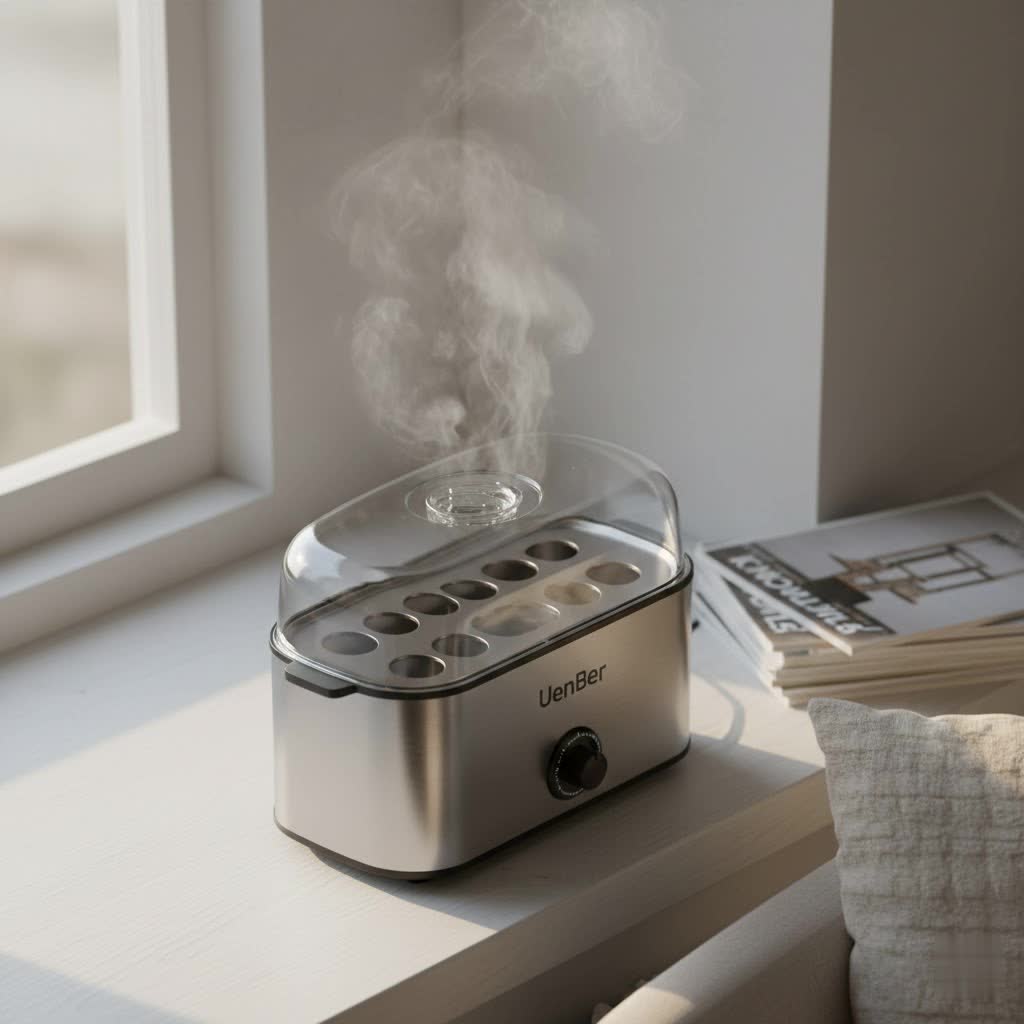
An electric egg boiler manages water through a self-regulating evaporation system, meaning there is no traditional “draining” required; instead, precisely measured water converts entirely into steam to cook eggs, and the appliance automatically shuts off once all the water has evaporated. This method ensures consistent results and a hands-free cooking experience, with the primary user task being descaling mineral deposits from the heating plate after use.
What is an Egg Boiler and How Does It Work?
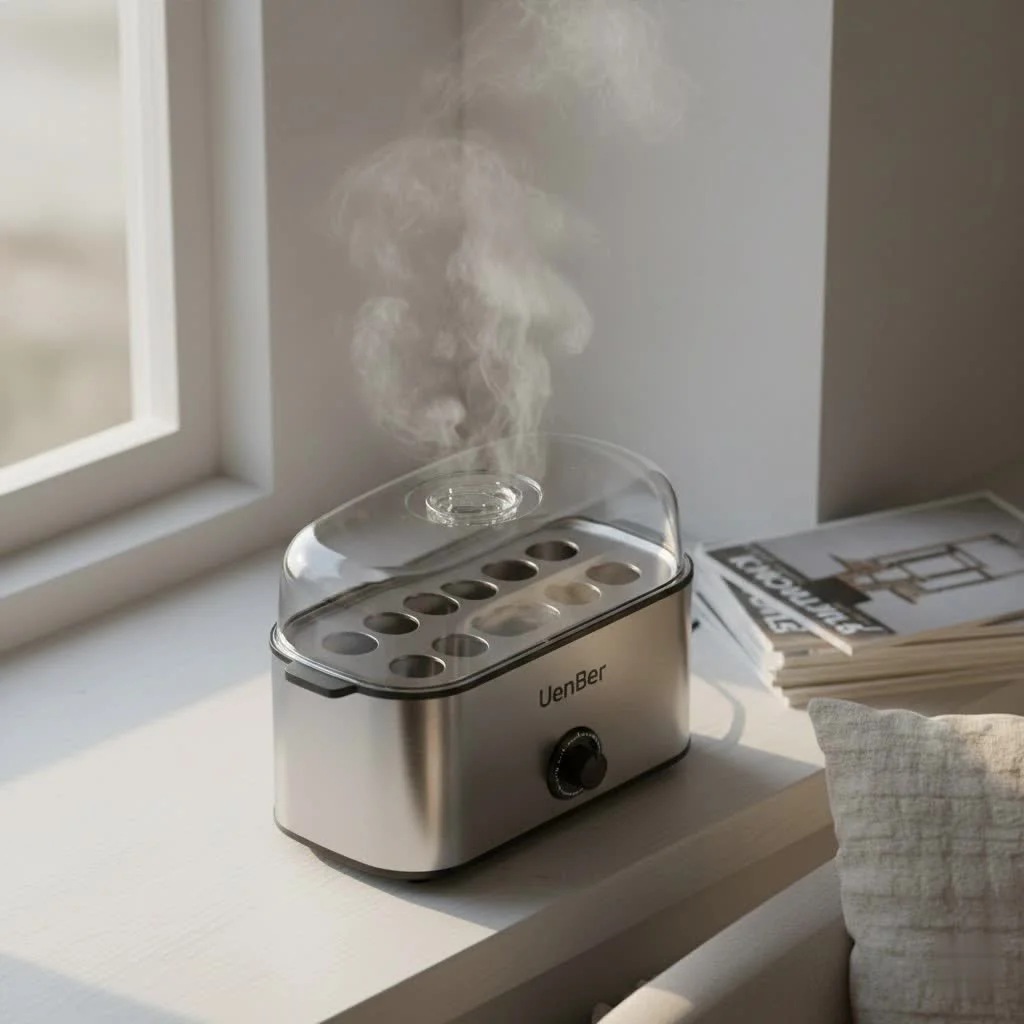
An egg boiler, also known as an egg cooker, is a compact electrical appliance designed to perfectly cook eggs using steam. Its main advantage is precision and ease of use, eliminating guesswork for soft, medium, or hard-boiled eggs. The appliance features a heating plate, an egg rack, and a lid. A small, measured amount of water is poured onto the heating plate, which rapidly heats to produce steam. This steam circulates within the enclosed space, gently cooking the eggs on the rack above.
The ingenious aspect of an electric egg boiler is its reliance on precise water measurement. The amount of water added directly correlates to the desired doneness. Less water produces soft-boiled eggs, while more water yields hard-boiled. The “draining” mechanism is entirely automatic during the cooking cycle. As eggs cook, the water on the heating plate gradually evaporates into steam. Once all the measured water has evaporated, the heating element automatically shuts off, signaling that your eggs are perfectly done. This means there’s typically no leftover liquid water to “drain” in the traditional sense, making the process remarkably clean and hands-free.
Understanding Water Dynamics in Different Egg Cookers
While electric egg boilers primarily rely on water evaporation for their “draining” function, it’s useful to understand how water is managed across various types of egg cooking devices. This broader perspective highlights the unique efficiency of the electric model.
- Electric Egg Boilers: These are champions of automatic water management. A specific quantity of water is added to a heating plate and entirely converted into steam to cook eggs. The process concludes when all water has evaporated, triggering an automatic shut-off. This intelligent design ensures consistent results and removes the need for manual draining during cooking.
- Microwave Egg Cookers: These devices are typically small, enclosed containers designed for speed. They use a minimal amount of water, which usually gets fully absorbed or evaporates during the rapid cooking cycle within the microwave. Any residual water is minimal and simply poured out or wiped away after use. The primary benefit here is speed and convenience, though precision can vary.
- Stovetop Egg Cookers (or Traditional Pots): The classic method involves submerging eggs in water within a pot on a stovetop. Here, “draining” is a manual step. Once eggs are cooked, the hot water must be carefully poured out, often requiring tongs or a slotted spoon to retrieve the eggs safely. This method offers less precision in doneness compared to electric boilers and demands constant monitoring.
Comparison Table: Water Handling and Cleanup
|
Our Picks for the Best Egg Boiler in 2026
As an Amazon Associate I earn from qualifying purchases.
|
||
| Num | Product | Action |
|---|---|---|
| 1 | Dash Rapid Egg Cooker - Boiler, Poacher & Steamer - Includes Measuring & Recipe Guide - Dishwasher Safe - Holds 7 Eggs, Aqua |

|
| 2 | Evoloop Rapid Egg Cooker Electric 12 Eggs Capacity, Soft, Medium, Hard Boiled, Poached, Omelet Maker Egg Poacher & Vegetable Steamer, BPA Free Tray |
|
| 3 | DASH Rapid Egg Cooker: 7 Egg Capacity Electric Egg Cooker for Hard Boiled Eggs, Poached Eggs, Scrambled Eggs, or Omelets. |
|
| 4 | Microwave Egg Cooker, Quick-Heat Poacher Fryer with Lid, for Breakfast Sandwiches Dishwasher Safe Portable Multi-Use Egg Cooker Easy to Use and Clean (pink) |
|
| 5 | Elite Gourmet EGC007CHC# Rapid Egg Cooker, 7 Easy-To-Peel, Hard, Medium, Soft Boiled Eggs, Poacher, Omelet Maker, Auto Shut-Off, Alarm, 16-Recipe Booklet, Charcoal Grey |
|
| 6 | Cuisinart CEC-10 Egg Central Egg Cooker, Brushed Stainless Steel |
|
| 7 | Elite Gourmet EGC115B Easy Egg Cooker Electric 7-Egg Capacity, Soft, Medium, Hard-Boiled Egg Cooker with Auto Shut-Off, Measuring Cup Included, BPA Free, Classic Black |
|
| 8 | Evoloop Rapid Egg Cooker Electric 6 Eggs Capacity, Soft, Medium, Hard Boiled, Poacher, Omelet Maker Egg Poacher With Auto Shut-Off, BPA Free |
|
| 9 | Annie & Mia Design Stainless Steel Electric Rapid Egg Cooker, 8 Egg Capacity 500W, Soft/Medium/Hard Boiled Egg Boiler Poacher Steamer Omelet Maker, Knob Auto Shut-Off, with Recipe Guide Book (Black) |
|
| 10 | DASH Electric Rapid Egg Cooker for Hard Boiled/Poached/Scrambled Eggs or Omelets with Auto Shut-Off Feature, Black, 7 Egg Capacity |
|
To further illustrate the differences, here’s a comparison focusing on how each type of egg cooker manages water and subsequent cleanup.
| Feature | Electric Egg Boiler | Microwave Egg Cooker | Stovetop Egg Cooker |
|---|---|---|---|
| Cooking Method | Steam | Microwave energy | Boiling water |
| “Draining” During Use | Water evaporates fully; auto-shutoff | Minimal water used; typically consumed or minimal residue | Manual pouring of hot water from pot |
| Post-use Liquid Water | None left after cooking; only mineral residue | Minimal, if any | Requires manual draining of hot water |
| Primary Cleaning Task | Descaling mineral deposits on heating plate | Wiping clean inside container | Washing pot and accessories after draining |
| Precision of Doneness | High (based on exact water measurement) | Moderate (can vary with microwave power) | Moderate (requires careful timing) |
| Energy Efficiency | High (uses only necessary water) | High (very quick cooking) | Moderate (larger volume of water to heat) |
Essential Water Management for Optimal Performance
To truly master your egg boiler and ensure perfect results every time, understanding and managing the water you add is paramount. This isn’t just about functionality; it’s about extending the lifespan of your appliance and maintaining optimal performance.
- Accurate Water Measurement is Key: The measuring cup that comes with your egg boiler is not merely a suggestion; it’s a critical tool. It typically features clear markings for different egg doneness levels (soft, medium, hard-boiled) and often for varying numbers of eggs. Using the exact amount of water specified for your desired outcome ensures the appliance operates as intended, evaporating completely and triggering the automatic shut-off at the precise moment. Deviating from these measurements can lead to undercooked or overcooked eggs, or the appliance failing to shut off automatically.
- Consider Water Quality: The type of water you use can significantly impact your egg boiler over time. Hard water, which contains a higher concentration of minerals like calcium and magnesium, will inevitably leave behind mineral deposits (limescale) on the heating plate as it evaporates. While many manufacturers state that tap water is acceptable, some may recommend using distilled or filtered water to minimize scale buildup. Check your appliance’s manual for specific recommendations. Using softer water can reduce the frequency of descaling required.
- Never Overfill or Underfill: Overfilling the water reservoir can lead to longer cooking times, potential boiling over, and eggs that are harder than desired because the auto-shutoff is designed for specific water volumes. Conversely, underfilling can result in undercooked eggs and potentially cause the appliance to shut off prematurely, as there isn’t enough steam to cook the eggs fully. Always adhere strictly to the measuring cup guidelines.
Cleaning and Descaling: The Real “Draining” Task for Users
While your egg boiler efficiently “drains” its water through evaporation during cooking, the residue left behind – mineral deposits – is where the user’s “draining” or rather, cleaning task truly comes into play. These white or brown stains on the heating plate are limescale buildup from hard water and are completely normal. However, if left unaddressed, they can affect the appliance’s efficiency, appearance, and even the taste of your eggs over time.
- Why Mineral Deposits Form: As water containing minerals heats up and evaporates, these minerals are left behind on the hot surface of the heating plate. This process, known as calcification or limescale buildup, is identical to what you might see in a kettle or coffee machine.
- Impact of Buildup: A thick layer of limescale can act as an insulator, reducing the heating element’s efficiency. This means your egg boiler might take longer to heat up and cook eggs, consuming more energy. It can also lead to uneven cooking and, in severe cases, affect the appliance’s lifespan.
- Step-by-Step Cleaning and Descaling:
- Unplug and Cool Down: Always ensure the egg boiler is unplugged from the power outlet and completely cool before you begin cleaning. The heating plate gets very hot during operation.
- Clean Exterior and Accessories: Wipe down the exterior of the main unit with a damp, soft cloth. Wash the lid, egg rack, and any poaching trays with mild dish soap and warm water. Rinse thoroughly and dry. These parts are usually dishwasher-safe, but always check your manual.
- Descaling the Heating Plate (The “Draining” of Residue): This is the most crucial step for water management post-cooking.
- Vinegar Solution: Mix equal parts white vinegar and water. For most egg boilers, about 30-50 ml of each is sufficient.
- Apply and Soak: Pour this solution onto the heating plate, ensuring it covers all the mineral deposits.
- Heat (Optional but Recommended): For stubborn stains, you can plug in the appliance (with only the vinegar solution, no eggs) and turn it on for 1-3 minutes to gently heat the solution. Then, unplug it immediately. Exercise caution as the plate will be hot.
- Soak Time: Allow the vinegar solution to sit on the heating plate for 15-60 minutes, or longer for heavy buildup. The acidity of the vinegar will break down the mineral deposits.
- Wipe Clean: After soaking, use a soft, damp cloth or sponge to gently wipe away the loosened residue. Avoid abrasive scrubbers that can scratch the non-stick surface.
- Rinse and Dry: Wipe the heating plate clean with a fresh damp cloth to remove any vinegar residue, then dry thoroughly.
- Important Caution: Never immerse the main base unit or the electrical cord of your egg boiler in water. This can damage the electrical components and pose a safety hazard.
- Frequency: It’s good practice to wipe the heating plate after each use to remove any light residue. Descaling with vinegar should be done regularly, perhaps once a week or every few uses, depending on the hardness of your water and how frequently you use the appliance.
Troubleshooting Common Water-Related Issues
Even with careful use, you might encounter minor issues related to water management. Knowing how to troubleshoot these can save you time and ensure uninterrupted enjoyment of your egg boiler.
- Eggs Not Cooking Correctly (Undercooked/Overcooked): The most common culprit is incorrect water measurement. Double-check that you’re using the measuring cup correctly for the number of eggs and desired doneness. Also, ensure the egg piercing step (if recommended by your model) is performed, as this helps steam penetrate evenly and prevents cracking.
- Appliance Not Shutting Off Automatically: This typically indicates that not all the water has evaporated. This could be due to overfilling the water, a faulty water sensor, or using an excessive amount of water for the chosen doneness. Refer to your manual or try reducing the water slightly.
- Excessive Mineral Buildup Despite Cleaning: If you have exceptionally hard water, even regular cleaning might not fully prevent buildup. Consider switching to distilled or filtered water, or increasing the frequency of your descaling routine. Using a stronger vinegar solution (e.g., undiluted vinegar for a short soak) might also be necessary, followed by a thorough rinse.
Conclusion
The “draining egg boiler” isn’t about a literal draining process, but rather a sophisticated system of water evaporation during cooking and diligent cleaning post-use. By understanding that your egg boiler uses precisely measured water that evaporates completely, you open up the secret to perfectly cooked eggs every time. Embracing the simple yet crucial steps of accurate water measurement, considering water quality, and regular descaling with white vinegar ensures that your appliance performs optimally and remains a clean, efficient workhorse in your kitchen. Follow these guidelines, and you’ll consistently enjoy hassle-free, perfectly prepared eggs, keeping your egg boiler in top condition for years to come.
What are your favorite quick and healthy recipes that feature perfectly boiled eggs?
Frequently Asked Questions
Frequently Asked Questions
Why does my egg boiler turn off automatically?
Electric egg boilers are designed to turn off automatically once all the measured water on the heating plate has completely evaporated. This ensures eggs are cooked to the desired doneness (soft, medium, or hard-boiled) based on the initial water quantity, preventing overcooking and saving energy.
How much water should I put in my egg boiler?
The amount of water needed depends on the number of eggs you're cooking and your preferred doneness. Always use the measuring cup provided with your egg boiler, as it has specific markings for soft, medium, and hard-boiled eggs, usually adjusted for different quantities of eggs.
What are the brown stains on my egg boiler's heating plate?
The brown or white stains on your egg boiler's heating plate are mineral deposits, commonly known as limescale. These are natural residues left behind by minerals in tap water when it heats up and evaporates during the cooking process. They are harmless but can reduce efficiency if not cleaned regularly.
Can I use tap water in my egg boiler?
Yes, most egg boilers are designed to work with tap water. However, if you live in an area with hard water, using tap water will lead to more frequent mineral buildup. To minimize limescale and extend the appliance's life, some users prefer distilled or filtered water.
How often should I descale my egg boiler?
The frequency of descaling depends on your water hardness and how often you use the appliance. A full descaling with a vinegar solution should be done weekly or bi-weekly if you use it frequently or have hard water, or monthly for less frequent use.
How to Clean and Descale Your Egg Boiler
Regular cleaning and descaling of your electric egg boiler are crucial for maintaining its efficiency and extending its lifespan. This process primarily addresses mineral deposits left by evaporating water.
Always ensure the egg boiler is unplugged from the power outlet and completely cool before you begin cleaning. The heating plate gets very hot during operation, posing a burn risk.
Wipe down the exterior of the main unit with a damp, soft cloth. Wash the lid, egg rack, and any poaching trays with mild dish soap and warm water, then rinse thoroughly and dry. These parts are often dishwasher-safe, but always check your appliance's manual.
Mix equal parts white vinegar and water (about 30-50 ml of each for most egg boilers). Pour this solution onto the heating plate, ensuring it covers all mineral deposits. For stubborn stains, you can optionally heat the solution for 1-3 minutes by plugging in the appliance (without eggs), then unplug immediately and allow it to soak for 15-60 minutes to break down deposits.
After soaking, use a soft, damp cloth or sponge to gently wipe away the loosened residue, avoiding abrasive scrubbers. Wipe the heating plate clean with a fresh damp cloth to remove any vinegar residue, then dry thoroughly. Never immerse the main base unit or electrical cord in water.
Cooking gear we tested in our own kitchens
Free PDF — preheat times measured on 10 popular air fryers.

This egg cooker is fantastic for making a batch of medium-boiled eggs for my weekly meal prep. The precision and ease of use are exactly what I needed. I just measure the water, put the eggs in the rack, and let it do its thing. No more watching a pot of boiling water!
I love how hands-free this appliance is! I can set it and forget it while I get ready for work. It really does eliminate the guesswork for soft-boiled eggs, which were always tricky for me before. The compact size is also great for my small kitchen counter.
The egg boiler definitely makes consistent eggs, which I appreciate for my breakfast routine. However, I find myself descaling the heating plate more often than I expected. I live in an area with hard water, so those mineral deposits build up pretty quickly. It’s not a huge deal, but it adds an extra step I wasn’t fully prepared for.
I used to always overcook or undercook my eggs, but this self-regulating evaporation system is a game changer. It’s so nice not having to worry about draining water or guessing if they’re done. My hard-boiled eggs come out perfect every single time, and the automatic shut-off is a lifesaver when I’m multitasking in the morning.