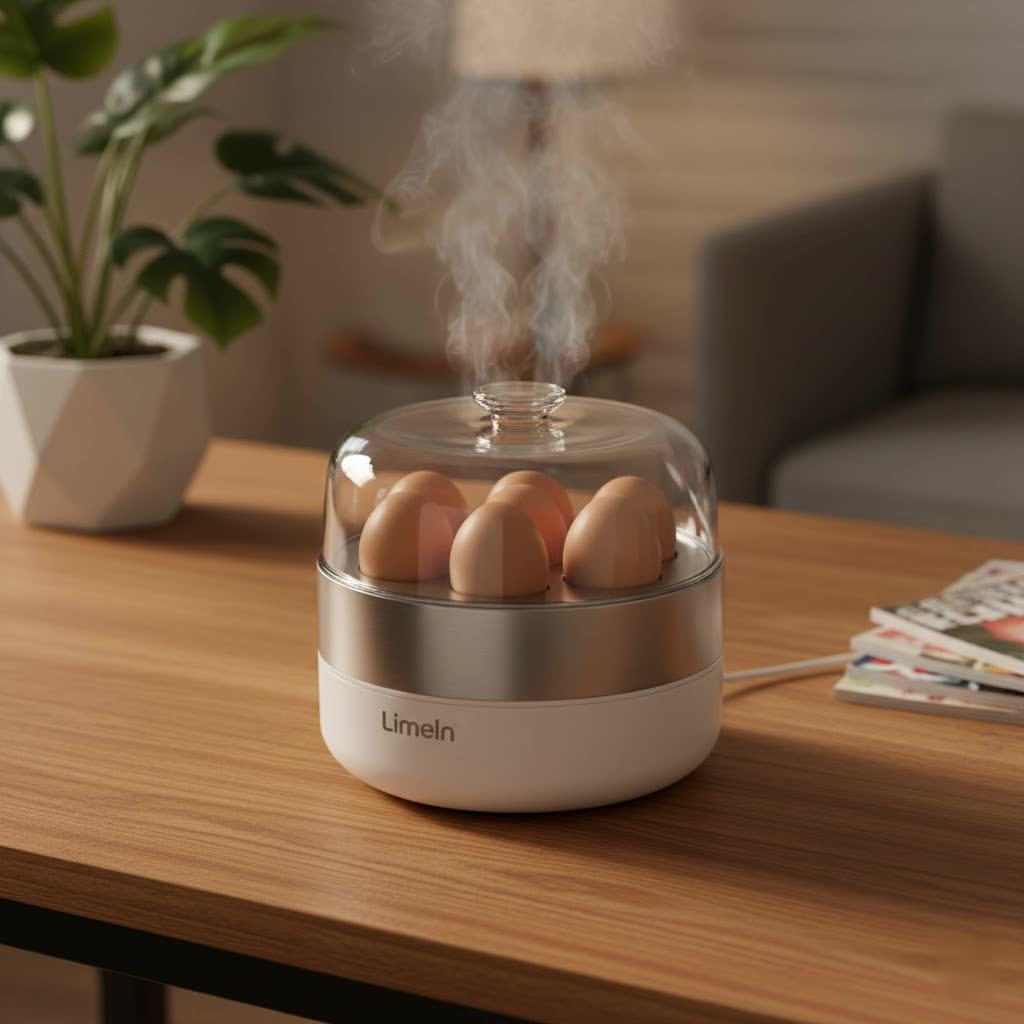
Starting your day with a perfectly cooked egg can set a wonderful tone, whether it’s a jammy soft-boiled delight or a firm hard-boiled protein boost. Yet, achieving consistent results on the stovetop often feels like a culinary gamble, leading to frustration, overcooked yolks with greenish rings, or undercooked whites. This common kitchen dilemma is precisely where the modern egg boiler steps in, transforming egg preparation from a chore into effortless precision. For those who value longevity, efficiency, and a touch of elegance in their kitchen appliances, a stainless steel egg boiler is not just an upgrade—it’s an essential investment.
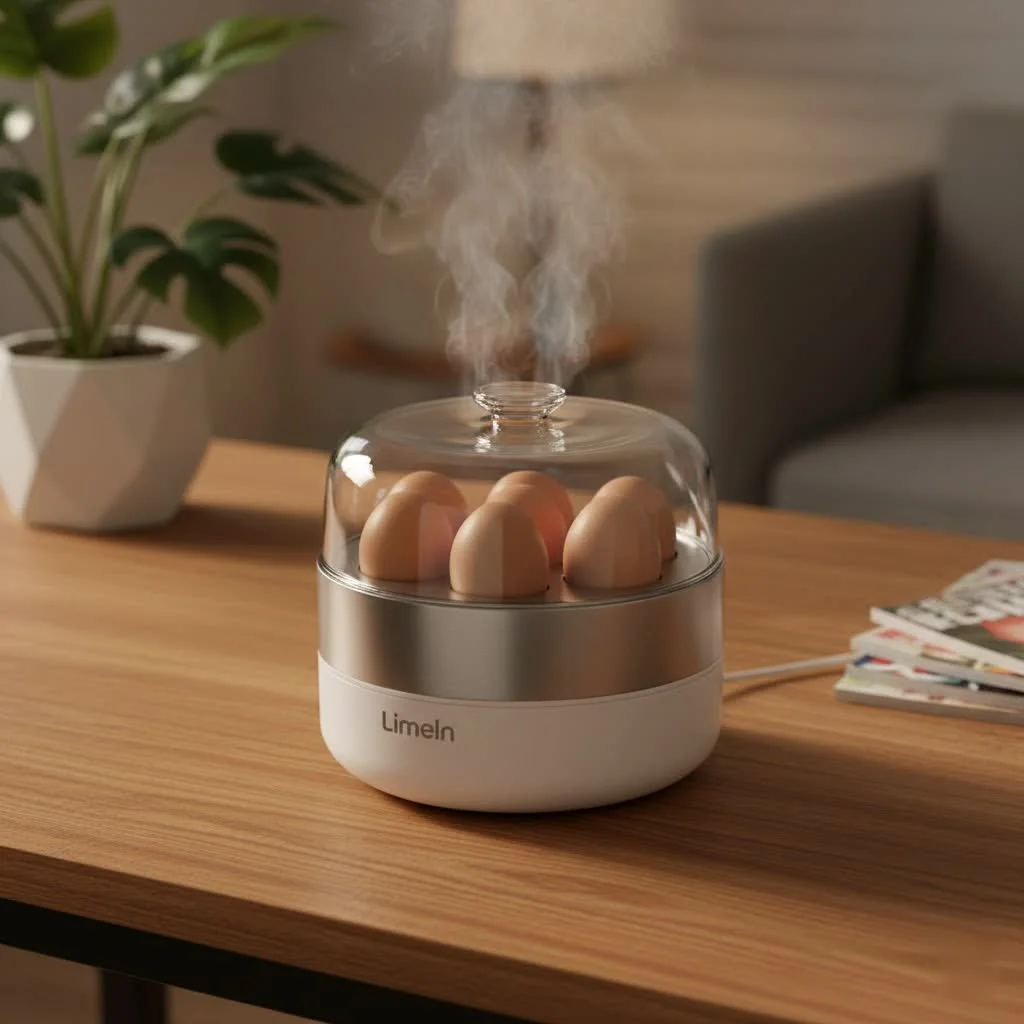
The Perfect Stainless Steel Egg Boiler: A Detailed Guide
What is an Egg Boiler and Why Do You Need a Stainless Steel One?
An egg boiler is a compact kitchen appliance designed to cook eggs with exceptional accuracy, taking the guesswork out of achieving your preferred doneness. Unlike traditional boiling methods that demand constant attention and precise timing, egg boilers utilize steam to cook eggs evenly and efficiently. This results in eggs that are consistently cooked to perfection, from soft to medium to hard-boiled, often with shells that peel away with remarkable ease.
The choice of material for your egg boiler significantly impacts its performance and lifespan. Stainless steel models stand out for several compelling reasons. They are renowned for their superior durability and resistance to corrosion, ensuring your appliance withstands daily use without degrading. Furthermore, stainless steel offers high thermal conductivity, which means faster and more uniform heat distribution, contributing to those consistently perfect eggs. Beyond functionality, the sleek, modern aesthetic of stainless steel effortlessly complements any kitchen decor, making it a stylish and hygienic choice that is also remarkably easy to clean and maintain.
Popular Types of Egg Boilers
The market offers various egg boiling solutions, each with its unique advantages. Understanding these differences helps in selecting the ideal appliance for your household.
- Electric Egg Boilers: These are by far the most popular and versatile choice, especially when featuring stainless steel components. Electric egg boilers offer unmatched convenience; simply add water, place your eggs, and select your desired cooking setting. Many models come with automatic shut-off functions and audible alerts, preventing overcooking and allowing you to multitask. Their multi-functionality often extends to poaching eggs or even steaming small vegetables, making them a true kitchen workhorse. While their initial cost might be higher than simpler alternatives, the benefits of precision, speed, and safety often outweigh this.
- Microwave Egg Boilers: Designed for ultimate speed, these compact devices cook eggs rapidly using microwave energy. They are ideal for quick single servings and small kitchens due to their minimal footprint. However, achieving precise doneness can be more challenging, and improper use can sometimes lead to messy mishaps. They typically don’t feature stainless steel in their primary cooking components.
- Stovetop Egg Boilers: These are essentially specialized pots or inserts designed to cook eggs on a conventional stovetop. While they require no electricity and are generally inexpensive, they demand more manual intervention. You still need to monitor water levels and cooking times closely, offering less precision and convenience compared to their electric counterparts.
Comparison Table: Egg Boiler Types
|
Our Picks for the Best Egg Boiler in 2026
As an Amazon Associate I earn from qualifying purchases.
|
||
| Num | Product | Action |
|---|---|---|
| 1 | Evoloop Rapid Egg Cooker Electric 6 Eggs Capacity, Soft, Medium, Hard Boiled, Poacher, Omelet Maker Egg Poacher With Auto Shut-Off, BPA Free |

|
| 2 | DASH Rapid Egg Cooker: 7 Egg Capacity Electric Egg Cooker for Hard Boiled Eggs, Poached Eggs, Scrambled Eggs, or Omelets. |
|
| 3 | Annie & Mia Design Stainless Steel Electric Rapid Egg Cooker, 8 Egg Capacity 500W, Soft/Medium/Hard Boiled Egg Boiler Poacher Steamer Omelet Maker, Knob Auto Shut-Off, with Recipe Guide Book (Black) |
|
| 4 | Elite Gourmet EGC007CHC# Rapid Egg Cooker, 7 Easy-To-Peel, Hard, Medium, Soft Boiled Eggs, Poacher, Omelet Maker, Auto Shut-Off, Alarm, 16-Recipe Booklet, Charcoal Grey |
|
| 5 | Microwave Egg Cooker, Quick-Heat Poacher Fryer with Lid, for Breakfast Sandwiches Dishwasher Safe Portable Multi-Use Egg Cooker Easy to Use and Clean (pink) |
|
| 6 | Evoloop Rapid Egg Cooker Electric 12 Eggs Capacity, Soft, Medium, Hard Boiled, Poached, Omelet Maker Egg Poacher & Vegetable Steamer, BPA Free Tray |
|
| 7 | Cuisinart CEC-10 Egg Central Egg Cooker, Brushed Stainless Steel |
|
| 8 | Dash Rapid Egg Cooker - Boiler, Poacher & Steamer - Includes Measuring & Recipe Guide - Dishwasher Safe - Holds 7 Eggs, Aqua |
|
| 9 | DASH Electric Rapid Egg Cooker for Hard Boiled/Poached/Scrambled Eggs or Omelets with Auto Shut-Off Feature, Black, 7 Egg Capacity |
|
| 10 | Elite Gourmet EGC115B Easy Egg Cooker Electric 7-Egg Capacity, Soft, Medium, Hard-Boiled Egg Cooker with Auto Shut-Off, Measuring Cup Included, BPA Free, Classic Black |
|
To help you visualize the differences, here’s a quick comparison:
| Feature | Electric (Stainless Steel) | Microwave | Stovetop |
|---|---|---|---|
| Convenience | Very High | High | Medium |
| Speed | Medium-High | Fast | Medium |
| Precision | High | Medium | Medium |
| Initial Cost | Higher | Medium | Low |
| Safety Features | High (auto shut-off) | Medium (user dependent) | Medium (requires attention) |
| Ease of Cleaning | Easy | Easy | Relatively Easy |
| Durability | Excellent (Stainless Steel) | Good (plastic) | Good (pot material) |
How to Choose the Right Stainless Steel Egg Boiler
Selecting the perfect stainless steel egg boiler involves considering your specific needs and prioritizing certain features to ensure it becomes a valuable addition to your kitchen.
First, determine your usage needs. How many eggs do you typically cook at once? Models range from 6-egg capacity to large family-sized units that can handle 10-14 eggs. Do you prefer soft, medium, or hard-boiled eggs? Most electric models offer precise settings for each. Consider whether speed, convenience, or multi-functionality (like poaching or steaming) is most important to you, and of course, your budget.
Next, examine the key features. Look for models with automatic shut-off and audible alerts for peace of mind. A clear, easy-to-read measuring cup with markings for different doneness levels is crucial for consistent results. Prioritize devices with food-grade stainless steel components for hygiene and durability. Additional features like poaching trays, omelet trays, or steaming baskets add to the appliance’s versatility. A compact design is also beneficial for easy storage, especially in smaller kitchens.
While I won’t list specific brands, I recommend looking for manufacturers known for quality kitchen appliances. Always read reviews from other users. Real-world feedback can offer invaluable insights into a product’s true performance, durability, and user-friendliness, helping you make an informed decision before committing to a purchase.
Tips for Using and Maintaining Your Stainless Steel Egg Boiler
To ensure your stainless steel egg boiler delivers perfect results for years to come, proper usage and diligent maintenance are key.
Always begin by thoroughly reading the manufacturer’s instruction manual. This will provide specific guidance on water levels, cooking times for various egg styles, and any unique features of your model. A common practice for many egg boilers is to gently pierce the larger end of each egg with a pin (often provided) before cooking; this can help prevent cracking and make peeling easier. If your tap water is hard, using distilled or filtered water can significantly reduce mineral buildup on the heating plate, extending the life of your appliance.
Regular cleaning is paramount for maintaining hygiene and efficiency. After each use, ensure the unit is unplugged and has cooled down. Wipe the heating plate clean with a damp cloth to remove any residue. All removable parts, such as the egg tray, lid, and poaching trays, should be washed with warm, soapy water and thoroughly rinsed. For stubborn mineral deposits or discoloration on the stainless steel heating plate, a simple yet effective descaling method is to pour a mixture of equal parts white vinegar and water onto the plate and let it sit for 5-10 minutes. Alternatively, a quarter teaspoon of citric acid dissolved in water can achieve the same result. Gently wipe away the residue, rinse with a damp cloth, and dry. Crucially, never use abrasive cleaners, harsh chemicals, or metal scouring pads on your stainless steel egg boiler, as these can scratch the surface or damage protective coatings. Also, never submerge the main electrical base of the egg boiler in water.
“A well-maintained stainless steel egg boiler isn’t just a convenience; it’s a testament to smart kitchen choices. Its durability and ease of cleaning make it a top performer that truly simplifies healthy eating.” – Alex Chen, Kitchen Appliance Specialist at ReviewJournal.com
Conclusion
The stainless steel egg boiler is more than just a novelty; it’s a high-performance kitchen essential that promises convenience, consistency, and durability. By embracing this appliance, you banish the frustrations of overcooked or undercooked eggs, effortlessly achieving your desired doneness every single time. Its robust construction and easy maintenance underscore its value as a long-term investment for any modern kitchen. Ready to revolutionize your breakfast routine and enjoy perfect eggs day after day?
What culinary creations will you embark on next with your perfectly boiled eggs?
Frequently Asked Questions
How many eggs can a stainless steel egg boiler cook at once?
Stainless steel egg boilers come in various capacities, typically ranging from 6-7 eggs for smaller models to 10-14 eggs for larger family-sized units. Always check the product specifications to match the capacity with your household’s needs.
Is a stainless steel egg boiler energy efficient?
Yes, electric egg boilers, particularly those with stainless steel heating elements, are generally very energy-efficient. They use only the necessary amount of water and often feature automatic shut-off functions, consuming minimal electricity compared to boiling a large pot of water on a stovetop.
How do I prevent mineral stains on the stainless steel heating plate?
To prevent unsightly mineral stains from hard water, it is highly recommended to use distilled or filtered water in your egg boiler. If stains do occur, a simple solution of white vinegar and water or citric acid can effectively descale the heating plate without harsh scrubbing.
Can I use my stainless steel egg boiler to poach or steam other foods?
Many modern electric egg boilers are multi-functional and include accessories like poaching trays or steaming baskets. This versatility allows you to prepare poached eggs, scrambled eggs, or even steam small vegetables, significantly expanding the appliance’s utility beyond just boiling.
How do stainless steel egg boilers ensure consistent results?
Stainless steel egg boilers achieve consistent results through precise water measurement and controlled steam cooking. The included measuring cup guides you on the exact water amount needed for soft, medium, or hard-boiled eggs, and the steaming process ensures even heat distribution, eliminating guesswork.
Cooking gear we tested in our own kitchens
Free PDF — preheat times measured on 10 popular air fryers.
