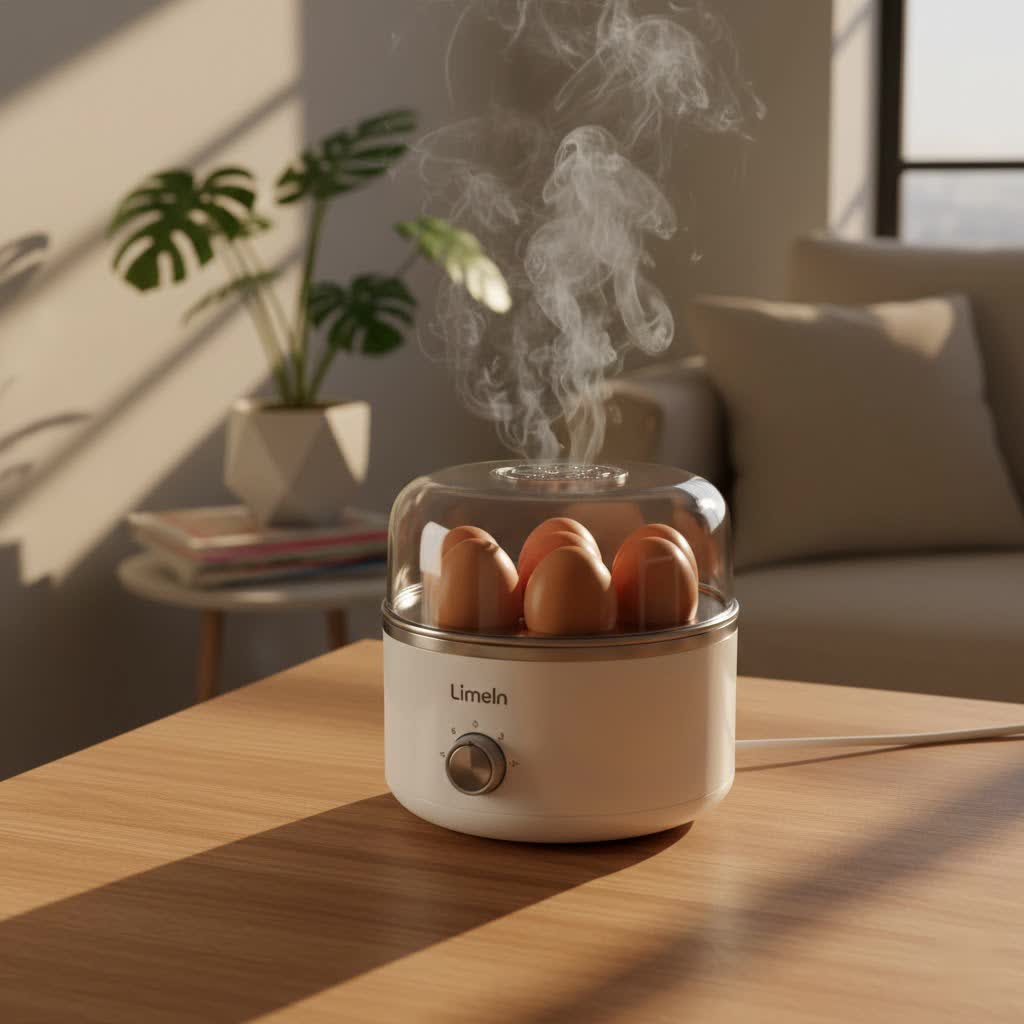
For many, the humble egg is a breakfast staple, a quick snack, or a versatile ingredient in countless dishes. Yet, achieving that elusive “perfect” boiled egg can often feel like a culinary gamble. Too long, and you’re met with a rubbery white and a sulfurous green ring around the yolk; too short, and you’re left with an undercooked, runny mess. This is where the perfect egg boiler steps in, revolutionizing your kitchen routine and ensuring consistently ideal eggs every single time.
What is an Egg Boiler and Why Do You Need One?
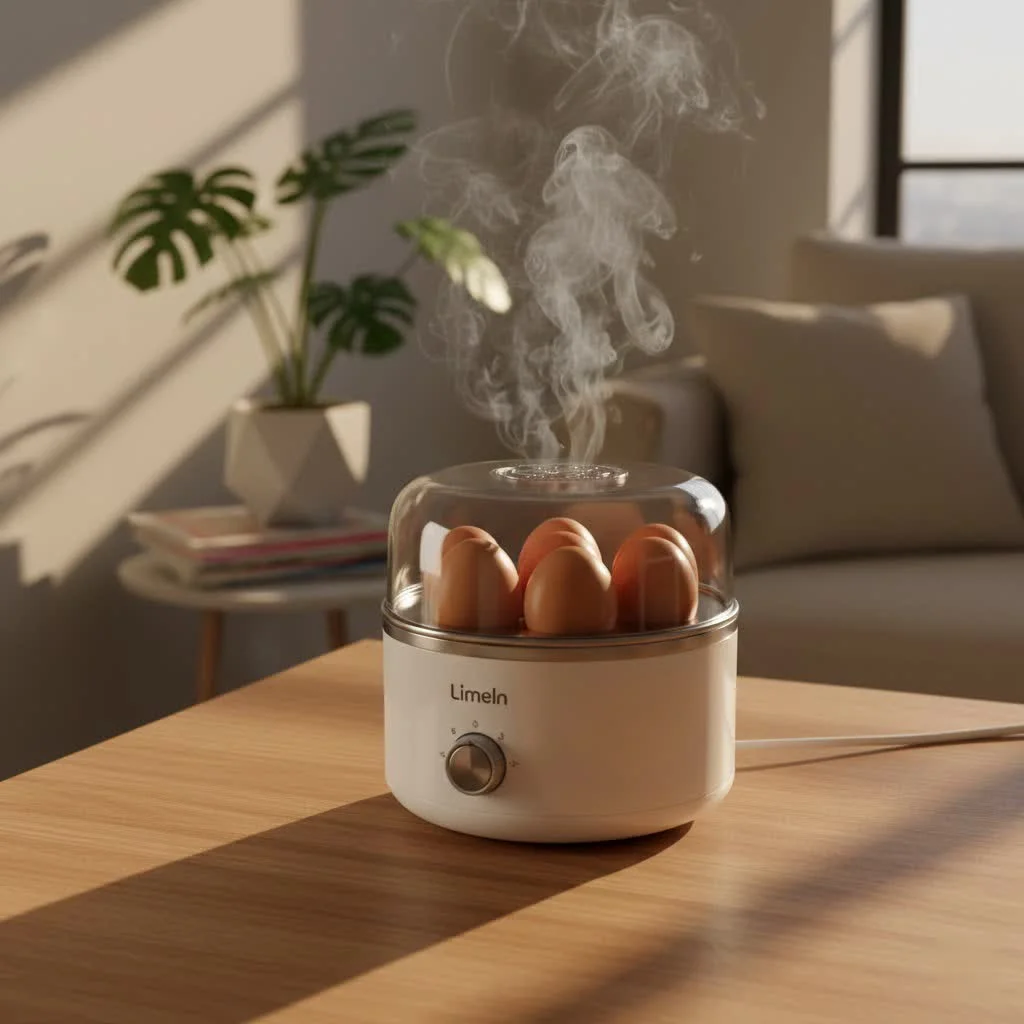
An egg boiler is a small, specialized kitchen appliance designed to cook eggs using steam. While traditional stovetop methods require constant monitoring and can be prone to inconsistency, an electric egg boiler takes all the guesswork out of the process, delivering perfectly cooked eggs with minimal effort.
The benefits of integrating an egg boiler into your kitchen are numerous and compelling. Firstly, it offers unparalleled precision, allowing you to consistently achieve your desired doneness, whether you crave soft, medium, or hard-boiled eggs. Forget about setting timers and watching pots; most models feature automatic shut-off and audible alerts, making the cooking process virtually hands-free and remarkably convenient. This not only saves you time in a busy morning rush but also ensures your eggs are never overcooked. Furthermore, many users find that eggs cooked in an electric boiler are significantly easier to peel, eliminating one of the most common frustrations associated with hard-boiled eggs. Beyond just boiling, many modern egg boilers offer versatility, with attachments for poaching eggs or even preparing small omelets, making them more than just a single-task gadget. Ultimately, an egg boiler provides a safer, more reliable, and more consistent way to enjoy your favorite egg preparations.
Types of Egg Boilers: Finding Your Match
The market offers several types of egg boilers, each with unique advantages and considerations. Understanding these differences will help you choose the best appliance for your lifestyle.
- Electric Egg Boilers: These are the most popular and widely recognized type. They use a heating plate to steam eggs within an enclosed chamber.
- Pros: Electric models are known for their precision with various doneness settings, automatic shut-off features, and capacity ranging from a few to over a dozen eggs. They are user-friendly and deliver consistent results.
- Cons: They require a power source and can be another dedicated appliance taking up counter space.
- Microwave Egg Cookers: These compact devices are designed for quick egg preparation in the microwave.
- Pros: Incredibly fast and small, making them highly portable and suitable for single servings or small kitchens.
- Cons: Doneness can be less precise and harder to control compared to electric models. There’s a slight risk of eggs exploding if not used correctly, and the texture for certain preparations (like scrambled eggs) might be rubbery.
- Stovetop Egg Poachers/Steaming Inserts: While not standalone “boilers” in the electric sense, these accessories use a pot on a stovetop to steam or poach eggs.
- Pros: They don’t require electricity and can be very affordable, especially if you already own suitable pots.
- Cons: They demand more hands-on attention, lack automation, and precision can vary significantly based on your stovetop and technique.
- Multi-Cookers with Egg Settings (e.g., Instant Pot): Many modern multi-cookers include specific functions for cooking eggs, often using pressure or steam.
- Pros: Highly versatile appliances that can perform many cooking tasks beyond eggs, saving space by consolidating gadgets. They excel at batch cooking.
- Cons: Typically more expensive if you’re only buying it for eggs, and they have a larger footprint than dedicated egg boilers.
Comparison Table: Egg Boiler Types at a Glance
|
Our Picks for the Best Egg Boiler in 2026
As an Amazon Associate I earn from qualifying purchases.
|
||
| Num | Product | Action |
|---|---|---|
| 1 | Microwave Egg Cooker, Quick-Heat Poacher Fryer with Lid, for Breakfast Sandwiches Dishwasher Safe Portable Multi-Use Egg Cooker Easy to Use and Clean (pink) |

|
| 2 | Evoloop Rapid Egg Cooker Electric 12 Eggs Capacity, Soft, Medium, Hard Boiled, Poached, Omelet Maker Egg Poacher & Vegetable Steamer, BPA Free Tray |
|
| 3 | Dash Rapid Egg Cooker - Boiler, Poacher & Steamer - Includes Measuring & Recipe Guide - Dishwasher Safe - Holds 7 Eggs, Aqua |
|
| 4 | DASH Rapid Egg Cooker: 7 Egg Capacity Electric Egg Cooker for Hard Boiled Eggs, Poached Eggs, Scrambled Eggs, or Omelets. |
|
| 5 | Cuisinart CEC-10 Egg Central Egg Cooker, Brushed Stainless Steel |
|
| 6 | Elite Gourmet EGC007CHC# Rapid Egg Cooker, 7 Easy-To-Peel, Hard, Medium, Soft Boiled Eggs, Poacher, Omelet Maker, Auto Shut-Off, Alarm, 16-Recipe Booklet, Charcoal Grey |
|
| 7 | Annie & Mia Design Stainless Steel Electric Rapid Egg Cooker, 8 Egg Capacity 500W, Soft/Medium/Hard Boiled Egg Boiler Poacher Steamer Omelet Maker, Knob Auto Shut-Off, with Recipe Guide Book (Black) |
|
| 8 | Elite Gourmet EGC115B Easy Egg Cooker Electric 7-Egg Capacity, Soft, Medium, Hard-Boiled Egg Cooker with Auto Shut-Off, Measuring Cup Included, BPA Free, Classic Black |
|
| 9 | Evoloop Rapid Egg Cooker Electric 6 Eggs Capacity, Soft, Medium, Hard Boiled, Poacher, Omelet Maker Egg Poacher With Auto Shut-Off, BPA Free |
|
| 10 | DASH Electric Rapid Egg Cooker for Hard Boiled/Poached/Scrambled Eggs or Omelets with Auto Shut-Off Feature, Black, 7 Egg Capacity |
|
| Feature | Electric Boiler | Microwave Cooker | Stovetop/Multi-Cooker |
|---|---|---|---|
| Convenience | Very High | High | Medium |
| Speed | Medium | Very High (small batches) | Medium |
| Precision | High | Medium | Medium |
| Price | Medium | Low | Low (inserts), High (multi-cookers) |
| Safety | High | Medium (pressure build-up risk) | Medium |
| Versatility | Good (boil, poach, omelet) | Limited (boil, some scramble) | High (multi-cookers) |
How to Choose Your Perfect Egg Boiler: Key Considerations
Selecting the ideal egg boiler involves matching its features to your specific needs and preferences. With a decade of experience reviewing kitchen gadgets, I’ve identified the critical factors that separate a good egg boiler from a truly perfect one.
First, determine your usage needs. Do you live alone and only need 2-4 eggs at a time, or are you feeding a family or doing weekly meal prep that requires 6, 10, or even 14 eggs? The capacity of the boiler is a fundamental decision. Next, consider the cooking functions you desire. Many electric models can boil eggs to soft, medium, or hard consistency, but some also include trays for poaching or making individual omelets. If you appreciate variety, a more versatile model might be best.
Controls and features play a significant role in user experience. Look for clear water level indicators on the measuring cup, an easy-to-understand interface, and crucial functionalities like automatic shut-off and an audible alert that signals when your eggs are done. For those seeking maximum convenience, an LED display or timer can be a bonus. Ease of cleaning is also paramount; prioritize models with removable, dishwasher-safe parts or non-stick surfaces that are simple to wipe down.
Finally, think about your kitchen footprint and budget. Compact models are perfect for smaller kitchens, while larger capacities will naturally take up more space. Prices generally range from under $20 for basic models to over $50 for premium, feature-rich options. Always consider brand reputation and user reviews to ensure you’re investing in a reliable and well-performing appliance.
Top Egg Boiler Recommendations
Based on popular features and consistent performance, here are generalized recommendations to guide your search for the perfect egg boiler:
- Budget-Friendly & Compact: These models are excellent for individuals, couples, or anyone with limited kitchen space. They typically handle 2-6 eggs, focusing on efficient boiling with simple one-touch operation and automatic shut-off. Brands like Dash are well-known for offering reliable options in this category.
- Pros: Highly affordable, incredibly fast for small batches, and incredibly easy to use.
- Cons: Limited capacity might not suit larger families or extensive meal prep.
- Mid-Range & Versatile: Ideal for small families or those who enjoy more than just boiled eggs. These boilers usually accommodate 7-10 eggs and often come with additional trays for poaching or making mini omelets, offering a good balance of capacity and multi-functionality. You’ll find models from brands like Cuisinart and Dash Deluxe in this segment.
- Pros: Great for varied egg preparations, user-friendly controls, and a suitable capacity for everyday family use.
- Cons: Slightly larger footprint than compact models and a moderate price increase.
- Premium & Feature-Rich: For serious egg enthusiasts, large families, or meal preppers, these high-end egg boilers offer maximum capacity (up to 12-14 eggs), advanced controls, durable construction, and often superior aesthetics. Some even double as small steamers for vegetables.
- Pros: Unmatched convenience, exceptional durability, precise cooking for large quantities, and often broader versatility beyond just eggs.
- Cons: Higher initial cost and typically require more counter or storage space.
“After testing hundreds of models over a decade, I can confidently say the right egg boiler transforms your kitchen. It’s not just about convenience; it’s about achieving that consistently perfect texture every single time, whether you prefer a runny yolk or a firm, protein-packed bite.” – Admin, ReviewJornal.com, Kitchen Appliance Expert
Tips for Using and Maintaining Your Egg Boiler
To get the most out of your egg boiler and ensure its longevity, follow these simple tips:
- Always read the manufacturer’s instructions before your first use.
- Pierce the blunt end of each egg with the provided pin (if included) before cooking. This small hole allows steam to escape, preventing cracks during the boiling process and often aiding in easier peeling.
- Use the exact amount of water specified in your manual for your desired doneness (soft, medium, or hard-boiled). Overfilling or underfilling can lead to inconsistent results.
- Once cooking is complete and the alarm sounds, immediately transfer cooked eggs to an ice-water bath for a few minutes. This stops the cooking process, makes peeling easier, and helps maintain a bright yellow yolk.
- Clean your egg boiler after every use. Most removable parts can be washed with mild soap and warm water, or are dishwasher-safe. Use a damp cloth to wipe down the heating plate and base.
- Descale regularly. If you have hard water, mineral deposits may build up on the heating plate. Fill the water reservoir with a solution of equal parts white vinegar and water, then run an empty cycle to clean it. Consult your manual for specific descaling instructions.
- Store your egg boiler in a dry, cool place away from direct sunlight when not in use.
Conclusion
The journey to the perfect egg doesn’t have to be fraught with uncertainty. An egg boiler offers a streamlined, hands-free solution to consistently achieve delicious, perfectly cooked eggs, whether you prefer them soft, medium, or hard-boiled. By understanding the different types available and considering your specific needs for capacity, features, and budget, you can confidently select the ideal appliance to simplify your breakfast routine, enhance your meal prep, and elevate your culinary creations. Investing in the perfect egg boiler is investing in convenience, precision, and the pure joy of a perfectly cooked egg every time.
What will your perfect egg creation be this week?
Frequently Asked Questions
Are egg boilers really worth it?
Yes, egg boilers are highly valuable for anyone who regularly consumes eggs. They eliminate the guesswork of traditional boiling, consistently delivering eggs cooked precisely to your preference (soft, medium, or hard-boiled) with minimal effort. Their automatic features save time and prevent overcooking, making them a worthwhile investment for convenience and perfect results.
How do egg boilers prevent eggs from cracking?
Many electric egg boilers come with a small piercing tool. By gently pricking the blunt end of the egg before cooking, you create a tiny vent that allows steam to escape as the egg heats. This equalizes the pressure inside the egg, significantly reducing the likelihood of the shell cracking during the cooking process.
Can I make poached eggs in an egg boiler?
Many electric egg boiler models offer versatility beyond just boiling. They often include a separate poaching tray accessory where you can crack an egg directly. Following the specific water measurements for poaching in your manual will allow you to enjoy perfectly steamed poached eggs with ease.
How do I clean an egg boiler effectively?
For optimal performance and hygiene, clean your egg boiler after each use. Detachable parts, such as egg trays and poaching trays, are usually dishwasher-safe or easily washed by hand with mild soap and warm water. For the heating plate, a damp cloth is typically sufficient. To remove mineral deposits from hard water, periodically run an empty cycle with a vinegar-water solution, following your specific model’s instructions.
How long do eggs take to cook in an egg boiler?
The cooking time in an egg boiler varies depending on the model, the number of eggs, and your desired doneness. Generally, soft-boiled eggs can be ready in about 5-7 minutes, medium-boiled in 8-10 minutes, and hard-boiled eggs typically take 12-18 minutes. The included measuring cup usually indicates the precise water amount needed for each level of doneness, automatically timing the process.
Cooking gear we tested in our own kitchens
Free PDF — preheat times measured on 10 popular air fryers.
