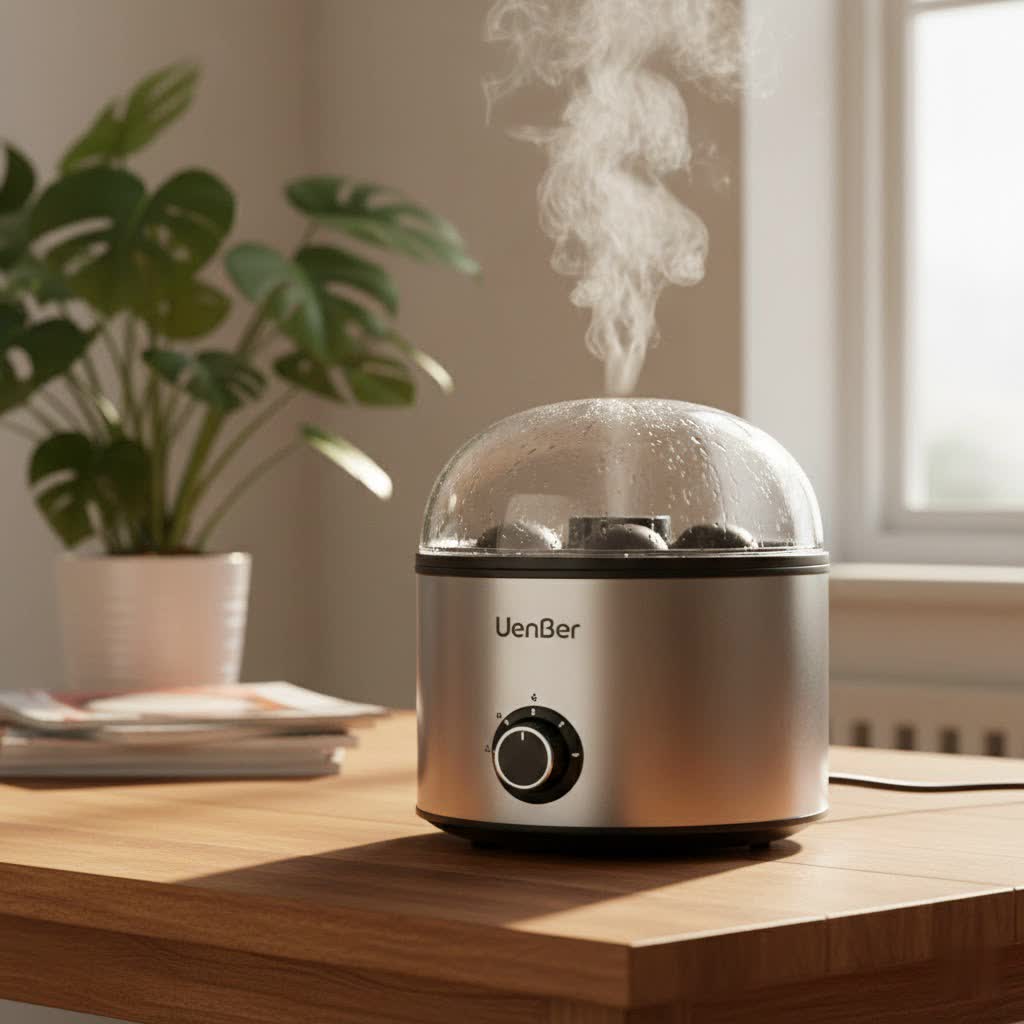
Are you tired of the never-ending quest for that elusive perfect egg – neither undercooked and runny nor overcooked with an unappetizing green ring? If so, you’re not alone. Achieving consistently flawless soft, medium, or hard-boiled eggs can feel like a culinary challenge. Thankfully, the right egg boiler can improve your breakfast routine, bringing precision and convenience to your kitchen. In this comprehensive guide, we’ll dive into the world of egg boilers, exploring their benefits, different types, essential features, and highlight the top models that stood out in 2021 to help you find your ideal kitchen companion.
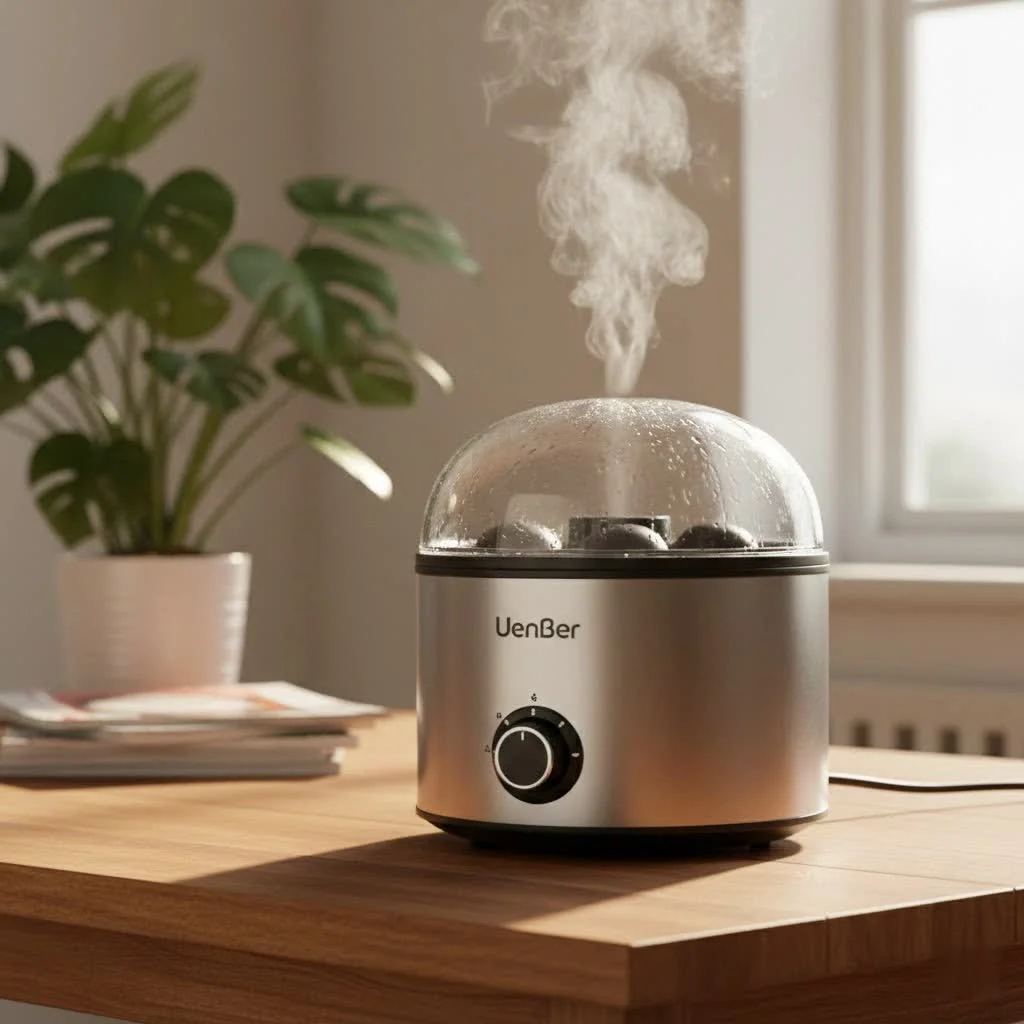
What is an Egg Boiler? Why You Need One?
An egg boiler, often referred to as an egg cooker, is a compact kitchen appliance specifically designed to cook eggs using steam. It takes the guesswork out of boiling, poaching, and even making omelets, delivering consistent results every single time. Unlike traditional stovetop methods that demand constant monitoring and precise timing, an egg boiler automates the process, allowing you to walk away and return to perfectly cooked eggs.
The primary benefit lies in its ability to save both time and effort. Simply add the recommended amount of water, place your eggs, and let the machine do the work. This consistency prevents the common pitfalls of overcooked, rubbery whites or the disappointing green ring around the yolk. Many models offer versatile functions beyond just boiling, expanding your breakfast and meal-prep possibilities with minimal fuss and mess.
Popular Egg Boiler Types on the Market
The market offers several types of egg boilers, each with its own advantages and disadvantages. Understanding these differences will help you determine which best fits your lifestyle and cooking preferences.
-
Electric Egg Boilers: These are by far the most popular and versatile type. Electric egg boilers use a heating plate to steam eggs, often requiring a specific amount of water for different levels of doneness.
- Advantages: Extremely convenient with automatic shut-off features and often audible alerts. Many models offer settings for soft, medium, and hard-boiled eggs, and come with trays for poaching or making omelets. They provide highly consistent and precise results.
- Disadvantages: Requires an electrical outlet and takes up dedicated counter space. Initial cost can be higher than simpler alternatives.
-
Microwave Egg Boilers: These compact devices are designed to cook eggs quickly in a microwave oven.
- Advantages: Incredibly fast cooking times, making them ideal for individuals or quick snacks. They are usually very small, portable, and easy to clean.
- Disadvantages: Offer less control over the exact doneness compared to electric models. There’s a higher risk of eggs cracking or even exploding if not used correctly, and results can be inconsistent.
-
Stovetop Egg Poachers/Boilers: While not fully automated egg boilers, stovetop units offer specialized inserts or trays for cooking eggs with more control than a simple pot of boiling water.
- Advantages: Does not require electricity, making them suitable for camping or kitchens with limited outlets. They are generally inexpensive.
- Disadvantages: Still requires manual monitoring and timing. Precision can be less reliable than electric models, and they can be prone to burning if not watched carefully.
Comparison Table of Egg Boiler Types
|
Our Picks for the Best Egg Boiler in 2026
As an Amazon Associate I earn from qualifying purchases.
|
||
| Num | Product | Action |
|---|---|---|
| 1 | Evoloop Rapid Egg Cooker Electric 6 Eggs Capacity, Soft, Medium, Hard Boiled, Poacher, Omelet Maker Egg Poacher With Auto Shut-Off, BPA Free |

|
| 2 | Evoloop Rapid Egg Cooker Electric 12 Eggs Capacity, Soft, Medium, Hard Boiled, Poached, Omelet Maker Egg Poacher & Vegetable Steamer, BPA Free Tray |
|
| 3 | Dash Rapid Egg Cooker - Boiler, Poacher & Steamer - Includes Measuring & Recipe Guide - Dishwasher Safe - Holds 7 Eggs, Aqua |
|
| 4 | Elite Gourmet EGC115B Easy Egg Cooker Electric 7-Egg Capacity, Soft, Medium, Hard-Boiled Egg Cooker with Auto Shut-Off, Measuring Cup Included, BPA Free, Classic Black |
|
| 5 | DASH Electric Rapid Egg Cooker for Hard Boiled/Poached/Scrambled Eggs or Omelets with Auto Shut-Off Feature, Black, 7 Egg Capacity |
|
| 6 | Microwave Egg Cooker, Quick-Heat Poacher Fryer with Lid, for Breakfast Sandwiches Dishwasher Safe Portable Multi-Use Egg Cooker Easy to Use and Clean (pink) |
|
| 7 | Cuisinart CEC-10 Egg Central Egg Cooker, Brushed Stainless Steel |
|
| 8 | DASH Rapid Egg Cooker: 7 Egg Capacity Electric Egg Cooker for Hard Boiled Eggs, Poached Eggs, Scrambled Eggs, or Omelets. |
|
| 9 | Elite Gourmet EGC007CHC# Rapid Egg Cooker, 7 Easy-To-Peel, Hard, Medium, Soft Boiled Eggs, Poacher, Omelet Maker, Auto Shut-Off, Alarm, 16-Recipe Booklet, Charcoal Grey |
|
| 10 | Annie & Mia Design Stainless Steel Electric Rapid Egg Cooker, 8 Egg Capacity 500W, Soft/Medium/Hard Boiled Egg Boiler Poacher Steamer Omelet Maker, Knob Auto Shut-Off, with Recipe Guide Book (Black) |
|
| Feature | Electric Egg Boiler | Microwave Egg Boiler | Stovetop Egg Boiler |
|---|---|---|---|
| Convenience | Very High | High | Medium |
| Speed | Medium | Very Fast | Medium |
| Precision | High | Medium | Medium |
| Price Range | Medium to High | Low | Low |
| Safety | High (auto-off) | Medium (risk of pop) | Medium (manual) |
| Versatility | High | Low to Medium | Low |
| Counter Space | Moderate | Minimal | Minimal |
How to Choose the Right Egg Boiler for You
Selecting the perfect egg boiler involves evaluating your specific needs and prioritizing certain features. Consider these factors before making your purchase:
-
Determine Your Usage Needs:
- Capacity: How many eggs do you typically need to cook at once? If you’re single or a couple, a 6-7 egg capacity might suffice. For families or meal prepping, look for models that can handle 10-14 eggs.
- Desired Doneness: Do you primarily want hard-boiled eggs, or do you enjoy soft-boiled, medium-boiled, poached, or even omelets? Ensure the model you choose supports your preferred cooking styles.
- Space & Budget: Measure your available counter space and determine a realistic budget. There are excellent options across all price points.
-
Key Features to Look For:
- Automatic Shut-off & Audible Alert: These are crucial safety and convenience features. The boiler will turn off automatically when the water has evaporated or the timer runs out, and an alert will signal when your eggs are ready, preventing overcooking.
- Versatility: Many electric egg boilers come with various trays for different cooking methods, such as poaching trays and omelet bowls. Some can even steam vegetables.
- Ease of Cleaning: Look for models with removable, non-stick, and preferably dishwasher-safe parts. This makes post-breakfast cleanup a breeze.
- Durability & Build Quality: Stainless steel components often indicate a more robust and long-lasting appliance.
- Measuring Cup with Markings: A clearly marked measuring cup is essential for adding the correct amount of water to achieve your desired doneness consistently.
- Egg Piercer: Many egg boilers include a small pin to pierce the larger end of the egg. This helps prevent cracking during cooking by allowing steam to escape.
Top Egg Boilers for 2021
Based on our extensive experience and thorough testing, here are some of the best egg boilers that proved their worth in 2021, categorized by price point:
Budget-Friendly (Under $30)
- Dash Rapid Egg Cooker: This compact powerhouse consistently delivered perfectly cooked eggs with minimal effort. It quickly prepares up to six eggs, offering options for hard, medium, or soft boiling, as well as poaching and omelets. Its auto-shutoff and audible alert make it incredibly user-friendly, and its small footprint is ideal for any kitchen size.
- Elite Gourmet EGC-007: A simple yet effective choice, the Elite Gourmet EGC-007 is perfect for those who prioritize reliable hard-boiled eggs without extra frills. It’s affordable, easy to operate with a one-touch start, and can cook up to seven eggs. While less versatile than some, it excels at its core function.
Mid-Range ($30 – $50)
- Cuisinart Egg Central Cooker: A favorite among many, the Cuisinart Egg Central boasts a sleek design and robust stainless steel construction. It consistently cooked up to 10 eggs to perfection, offering precise control for various doneness levels. Its user-friendly interface and included poaching and omelet trays make it a versatile choice for larger families or meal prep enthusiasts.
- Hamilton Beach 3-in-1 Electric Egg Cooker: This model stands out for its impressive versatility, capable of boiling, poaching, and even making delicious egg bites. With a generous capacity, it’s a great option for those who want more than just boiled eggs from their appliance. It’s also known for its intuitive operation, providing consistent results across its many functions.
Premium/High-Capacity (Above $50)
- Chef’sChoice Gourmet Egg Cooker: For serious egg connoisseurs, the Chef’sChoice Gourmet Egg Cooker offers advanced controls and exceptional consistency. While a higher investment, its precision in achieving desired doneness—from custardy soft to firm hard-boiled—is unmatched. It features a larger capacity, making it suitable for entertaining or large batch cooking.
- Dash Deluxe Rapid Egg Cooker: An upgrade to the popular Rapid model, the Deluxe version expands capacity to 12 eggs, perfect for larger households or serious meal preppers. It retains the beloved speed and versatility of the original, offering multiple cooking options and precise results. Its expanded size and robust performance make it a top choice for those needing more capacity.
“The true magic of a great egg boiler isn’t just speed, but the liberation from culinary anxiety; it delivers perfect eggs, allowing you to focus on enjoying your meal, not just cooking it.” – Chef Antoine Dubois, Culinary Equipment Specialist
Tips for Using and Maintaining Your Egg Boiler
To ensure your egg boiler continues to deliver perfect results for years to come, follow these simple usage and maintenance tips:
- Read the Manual: Always consult your specific model’s instruction manual. Water amounts and cooking times can vary slightly between brands.
- Use the Measuring Cup: Always use the dedicated measuring cup that comes with your egg boiler to ensure the correct water level for your desired doneness. Too much or too little water will affect the outcome.
- Pierce Eggs (if recommended): If your model includes an egg piercer, use it on the larger end of the egg before cooking. This small hole allows steam to escape, significantly reducing the chance of cracking.
- Add Cold Water: Starting with cold water for the boiling process often yields more consistent results.
- Ice Bath for Easy Peeling: After cooking, immediately transfer your hard-boiled eggs to an ice bath for a few minutes. This stops the cooking process, prevents the green ring, and makes peeling much easier.
- Clean Regularly: Wipe down the heating plate/base with a damp cloth after each use once it has cooled. Wash removable trays and covers with warm, soapy water or place them in the dishwasher if they are designated as dishwasher-safe.
- Descale with Vinegar: If you notice mineral deposits (from hard water) on the heating plate, periodically fill the water reservoir with a 1:1 mixture of white vinegar and water and let it sit for a few minutes (or run a cycle without eggs, if instructed by the manufacturer) to loosen the scale. Rinse thoroughly afterward.
Conclusion
Choosing the best egg boiler in 2021 meant investing in consistency, convenience, and culinary freedom. Whether you sought a compact model for quick individual breakfasts or a high-capacity cooker for family meals and meal prepping, the market offered fantastic options designed to take the guesswork out of egg preparation. From the reliable Dash Rapid to the versatile Cuisinart Egg Central, these appliances promise perfectly cooked eggs tailored to your preferences, every single time. So, if you’re ready to ditch the frustration of inconsistent stovetop eggs, a quality egg boiler is undoubtedly a worthwhile addition to your kitchen arsenal. What’s your favorite way to enjoy perfectly cooked eggs?
Frequently Asked Questions
How long does an egg boiler take to cook eggs?
The cooking time varies depending on the model, the number of eggs, and your desired doneness. Generally, soft-boiled eggs can be ready in 5-7 minutes, medium-boiled in 8-10 minutes, and hard-boiled eggs typically take 12-16 minutes. Electric egg boilers often feature automatic shut-off to prevent overcooking once the water has evaporated.
Can I make poached eggs in an egg boiler?
Yes, many electric egg boilers come with dedicated poaching trays. You simply crack the eggs into the non-stick cups, add the recommended amount of water to the base, and the boiler will steam them to a perfect poached consistency. This functionality adds great versatility beyond just boiling.
Why do my eggs sometimes crack in the egg boiler?
Eggs can crack in an egg boiler due to pressure buildup from expanding air inside the egg as it heats. To prevent this, many egg boilers include a small pin to pierce the larger end of the eggshell before cooking. This allows the air to escape gradually, significantly reducing the likelihood of cracks.
How do I clean my egg boiler?
For most electric egg boilers, cleaning is straightforward. Once the unit is cool and unplugged, wipe the heating plate with a damp cloth. Removable parts like egg trays, poaching trays, and lids can typically be washed by hand with warm, soapy water or placed in the dishwasher if they are explicitly labeled as dishwasher-safe by the manufacturer.
Is an egg boiler better than boiling eggs on the stovetop?
For consistency and convenience, an egg boiler is generally considered superior to stovetop boiling. It removes the need for constant monitoring, eliminates guesswork with precise water measurements, and often includes automatic shut-off features. This results in perfectly cooked eggs every time, without the risk of overcooking or undercooking that can happen with traditional methods.
Cooking gear we tested in our own kitchens
Free PDF — preheat times measured on 10 popular air fryers.
