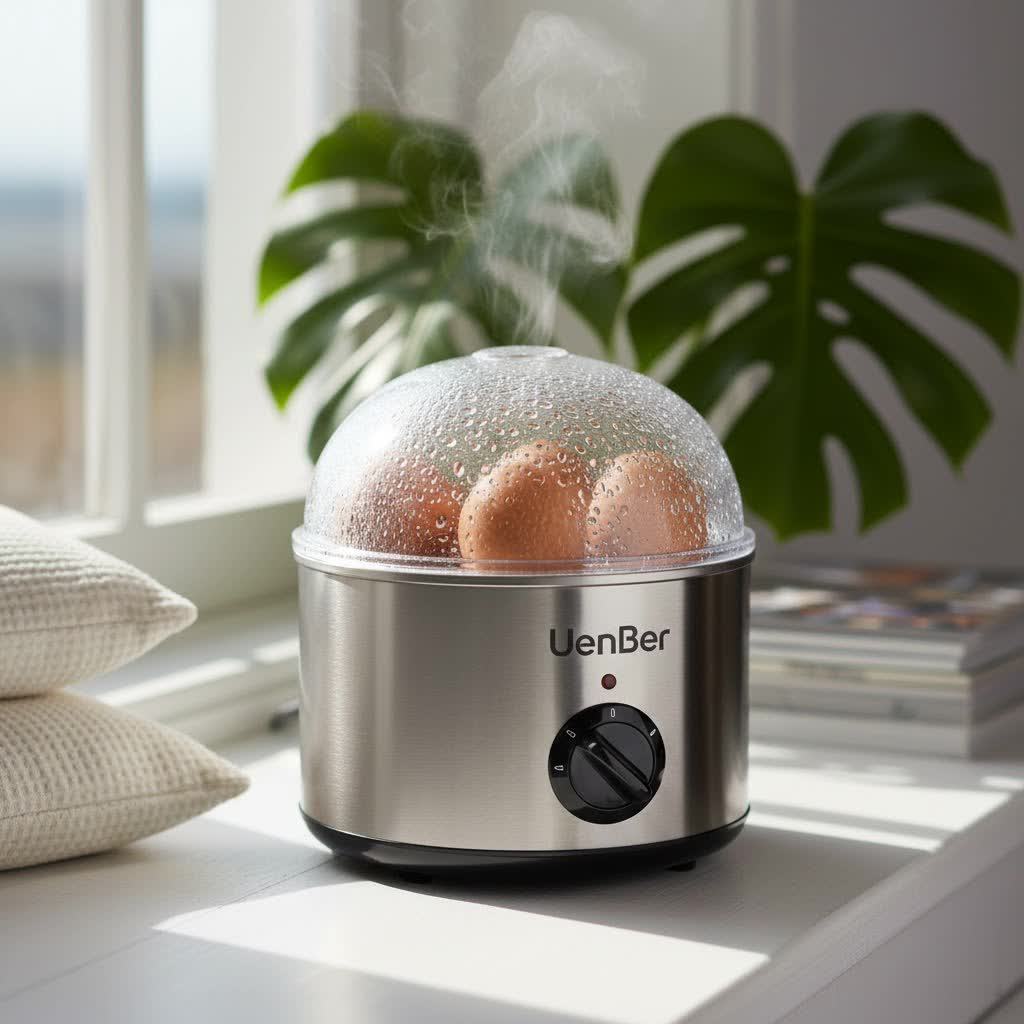
Are you tired of the morning scramble—literally—only to end up with cracked shells, inconsistent yolks, or eggs that are a nightmare to peel? Imagine a world where perfectly cooked eggs, whether soft, medium, or hard-boiled, are effortlessly achieved every single time. Welcome to the world of the Egg Boiler Steamer, a simple yet revolutionary kitchen appliance designed to transform your breakfast routine. This comprehensive guide will walk you through everything you need to know, from understanding how these clever gadgets work to choosing the ideal model for your kitchen, ensuring you enjoy flawless eggs with minimal fuss.
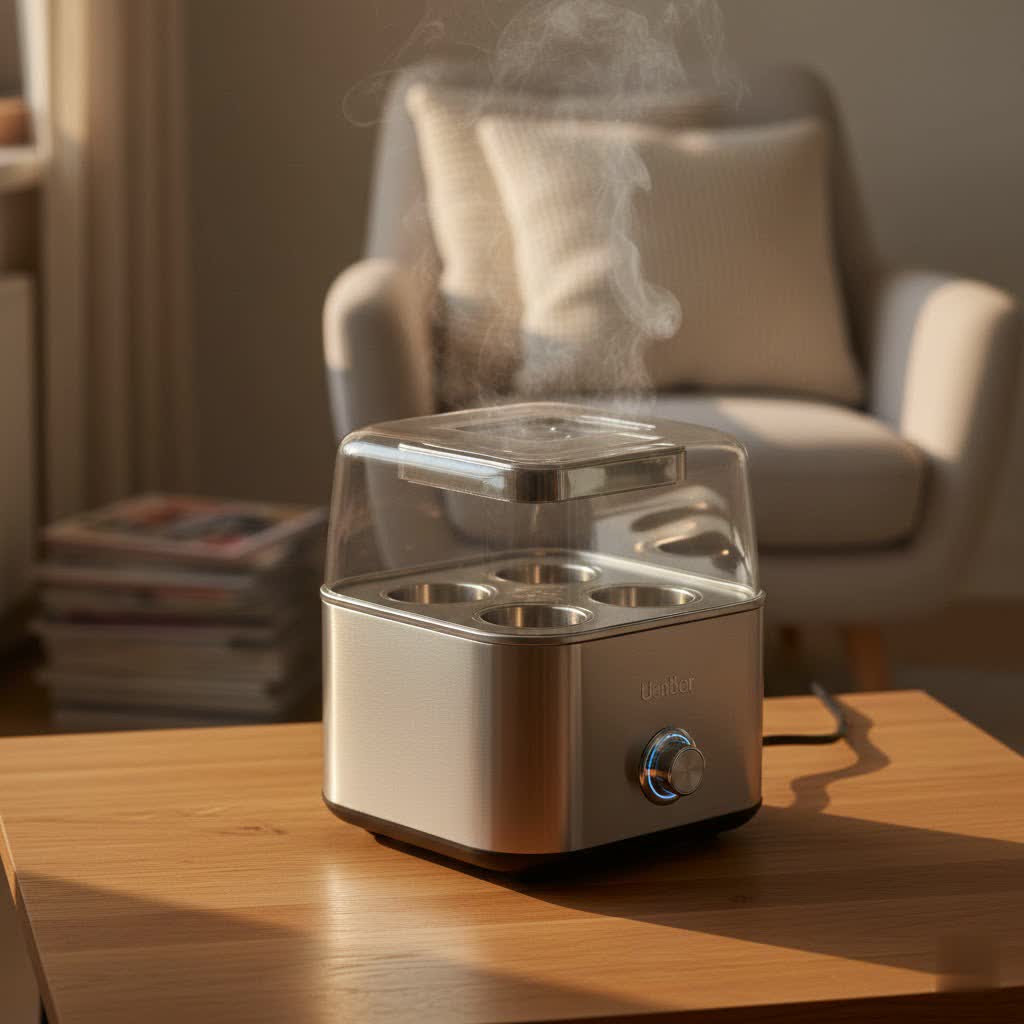
The Perfect Start: What is an Egg Boiler Steamer and Why You Need One
An egg boiler steamer is a compact electric appliance specifically designed to cook eggs using steam. Instead of submerging eggs directly in boiling water on a stovetop, you place them on a tray above a small reservoir of water. When activated, a heating element quickly turns this water into steam, which then circulates to cook the eggs evenly and gently. The amount of water you add, usually measured with an included cup, dictates the desired doneness, making it incredibly precise whether you crave a runny yolk or a firm, fully cooked one.
The benefits of incorporating an egg boiler steamer into your kitchen are numerous and compelling. Foremost is the unmatched consistency it offers, eliminating the guesswork and human error often associated with traditional stovetop methods. You can reliably achieve your preferred egg doneness every single time. These appliances are also incredible time-savers, heating water and cooking eggs significantly faster than a large pot on a hob, especially on busy mornings. With automatic shut-off features and audible alerts, they provide a truly hands-free and convenient cooking experience—just set it and forget it while you get ready for your day. Many users also report that steamed eggs are remarkably easier to peel, thanks to the gentle and consistent cooking process, saving you from frustrating shell fragments. Furthermore, using steam to cook eggs means no added oils or fats, making it a healthier alternative that helps preserve essential proteins and nutrients often lost when eggs are boiled in excess water. They are typically easy to clean with removable parts, and their compact design ensures they won’t hog precious counter space.
Exploring the Options: Types of Egg Boiler Steamers
While the core function remains the same, egg boiler steamers come in a few different variations, each with its own set of advantages and considerations.
Electric Egg Boilers
The most common and popular type, electric egg boilers, are standalone units that plug into an electrical outlet. They are the epitome of convenience and precision.
- Pros:
- High Precision: Offers consistent results for soft, medium, and hard-boiled eggs due to precise water measurements and steam cooking.
- Convenience: Features like automatic shut-off, audible alerts, and often pre-set modes make them incredibly user-friendly and hands-free.
- Versatility: Many models come with additional trays for poaching eggs, making individual omelets, or even steaming small vegetables.
- Safety: Generally safer than stovetop boiling as there’s no open flame or risk of pots boiling dry.
- Cons:
- Requires Power: Needs an electrical outlet, limiting placement.
- Cost: Can be slightly more expensive than simpler alternatives, though many affordable options exist.
|
Our Picks for the Best Egg Boiler in 2026
We may earn a commission when you use one of our links to make a purchase.
|
||
| Num | Product | Action |
|---|---|---|
| 1 | Elite Gourmet EGC115B Easy Egg Cooker Electric 7-Egg Capacity, Soft, Medium, Hard-Boiled Egg Cooker with Auto Shut-Off, Measuring Cup Included, BPA Free, Classic Black |

|
| 2 | Annie & Mia Design Stainless Steel Electric Rapid Egg Cooker, 8 Egg Capacity 500W, Soft/Medium/Hard Boiled Egg Boiler Poacher Steamer Omelet Maker, Knob Auto Shut-Off, with Recipe Guide Book (Black) |
|
| 3 | Dash Rapid Egg Cooker - Boiler, Poacher & Steamer - Includes Measuring & Recipe Guide - Dishwasher Safe - Holds 7 Eggs, Aqua |
|
| 4 | DASH Rapid Egg Cooker: 7 Egg Capacity Electric Egg Cooker for Hard Boiled Eggs, Poached Eggs, Scrambled Eggs, or Omelets. |
|
| 5 | Evoloop Rapid Egg Cooker Electric 6 Eggs Capacity, Soft, Medium, Hard Boiled, Poacher, Omelet Maker Egg Poacher With Auto Shut-Off, BPA Free |
|
| 6 | Cuisinart CEC-10 Egg Central Egg Cooker, Brushed Stainless Steel |
|
| 7 | Microwave Egg Cooker, Quick-Heat Poacher Fryer with Lid, for Breakfast Sandwiches Dishwasher Safe Portable Multi-Use Egg Cooker Easy to Use and Clean (pink) |
|
| 8 | DASH Electric Rapid Egg Cooker for Hard Boiled/Poached/Scrambled Eggs or Omelets with Auto Shut-Off Feature, Black, 7 Egg Capacity |
|
| 9 | Evoloop Rapid Egg Cooker Electric 12 Eggs Capacity, Soft, Medium, Hard Boiled, Poached, Omelet Maker Egg Poacher & Vegetable Steamer, BPA Free Tray |
|
| 10 | Elite Gourmet EGC007CHC# Rapid Egg Cooker, 7 Easy-To-Peel, Hard, Medium, Soft Boiled Eggs, Poacher, Omelet Maker, Auto Shut-Off, Alarm, 16-Recipe Booklet, Charcoal Grey |
|
Microwave Egg Boilers
These are compact, often egg-shaped devices designed specifically for use in a microwave oven. They are generally simpler in design.
- Pros:
- Speed: Can cook eggs very quickly, leveraging the power of your microwave.
- Compact & Portable: Ideal for small kitchens, dorm rooms, or for those who travel frequently.
- Affordable: Typically the least expensive option.
- Cons:
- Less Control: Achieving precise doneness can be trickier, as microwave power levels vary, and they often lack specific settings.
- Safety Concerns: If not used correctly (e.g., piercing the egg), eggs can explode in the microwave due to internal pressure buildup.
Stovetop Egg Steamers/Poachers
While not strictly “boilers,” stovetop steamers use the same steam principle but require a burner. These are often inserts for existing pots.
- Pros:
- No Electricity Needed: Great for camping or areas with limited power outlets.
- Cost-Effective: Often just an accessory for an existing pot, making them very affordable.
- Cons:
- Manual Timing: Requires you to monitor the cooking process and time manually.
- Less Precise: Consistency can vary more than with electric models.
- Heat Source Required: Still needs a stovetop, which might be less convenient than a dedicated electric unit.
Comparing Your Choices: Egg Boiler Steamer Features at a Glance
To help you decide which type best suits your lifestyle, here’s a quick comparison of their key attributes:
| Feature | Electric Egg Boiler | Microwave Egg Boiler | Stovetop Egg Steamer |
|---|---|---|---|
| Convenience | Very High (set-and-forget, auto-shutoff) | High (quick cook time) | Medium (manual timing) |
| Speed | Medium (fast heating, consistent cook) | High (microwave speed) | Medium (depends on stove heat) |
| Precision | High (measured water for doneness) | Medium (variable microwave power) | Medium (manual control) |
| Cost | Medium to High | Low | Low (often an accessory) |
| Safety | High (enclosed, auto-shutoff) | Medium (risk of explosion if not pierced) | Medium (open flame/heat) |
| Cleaning Ease | Easy (removable, often non-stick parts) | Easy (small, simple components) | Fairly Easy (pot and insert) |
| Versatility | High (poaching, omelets, steaming vegetables) | Low (primarily boiling, some poaching) | Medium (steaming, some poaching) |
Your Buying Journey: How to Choose the Right Egg Boiler Steamer
Selecting the perfect egg boiler steamer involves considering your personal needs and preferences. Here’s a guide to help you make an informed decision:
Assess Your Needs
- Capacity: How many eggs do you typically cook at once? Models range from single-egg mini-cookers to large units holding 7, 10, or even 14 eggs. A smaller capacity is ideal for individuals or couples, while a larger one suits families or those who meal prep.
- Desired Functions: Are you only interested in hard-boiled eggs, or would you like the versatility to poach, scramble, or make mini-omelets? Some advanced models even double as small vegetable steamers.
- Budget: Egg boiler steamers are available at various price points. Determine how much you’re willing to invest, balancing features with cost.
Key Features to Consider
- Automatic Shut-off and Alerts: This is a crucial convenience feature. The appliance should automatically turn off or sound an alarm when the eggs are done, preventing overcooking and offering peace of mind.
- Variable Doneness Settings: Most electric models achieve different levels of doneness (soft, medium, hard) by varying the amount of water added. Ensure the included measuring cup has clear markings for each setting.
- Egg Piercer: Many egg boilers come with a small pin to gently pierce the larger end of the egg before cooking. This helps release internal pressure, preventing cracking during steaming and often making eggs easier to peel.
- Material and Build Quality: Look for models made with durable, food-grade materials like stainless steel for the heating plate and BPA-free plastics for other components.
- Ease of Cleaning: Non-stick surfaces and dishwasher-safe removable parts will significantly simplify cleanup.
- Compactness for Storage: Consider the overall footprint if you have limited kitchen counter or cabinet space.
- Reputable Brands: While specific product recommendations are outside this guide, researching brands known for kitchen appliances can provide a starting point for reliable products. User reviews can offer valuable insights into real-world performance and durability.
Top Picks: Popular Egg Boiler Steamers Across Price Ranges
While preferences vary, certain features and price points typically define popular choices in the market.
- Budget-Friendly Options (Under $30):
These models are generally compact, focusing on efficient egg boiling with basic automatic shut-off. They are perfect for individuals or small households seeking a no-frills, reliable egg cooker. Expect capacities of 6-7 eggs and simple one-touch operation. - Mid-Range Performers ($30 – $60):
Moving into this bracket, you’ll find enhanced versatility. These egg boiler steamers often include poaching trays and sometimes even small omelet bowls. They might offer slightly larger capacities (up to 10 eggs) and more robust construction, making them a solid choice for families or those who enjoy varied egg preparations. - Premium Choices (Over $60):
The higher-end models boast larger capacities (12-14 eggs), premium stainless steel finishes, and often more advanced digital controls or timers. Some may feature additional steaming functions for other small food items, providing multi-functionality beyond just eggs, appealing to those who want a versatile and durable kitchen gadget.
Beyond Boiling: Tips for Using and Maintaining Your Egg Boiler Steamer
To get the most out of your egg boiler steamer and ensure its longevity, here are some practical tips:
- Read the Manual: Always start by thoroughly reading your specific model’s instruction manual. This will detail precise water measurements, cooking times, and any unique features or safety warnings.
- Use the Piercing Tool: If your model includes an egg piercer, use it! A tiny hole in the larger end of the egg helps release air, significantly reducing the chance of shells cracking during cooking and often making eggs easier to peel.
- Measure Water Accurately: The included measuring cup is key to achieving your desired doneness. Always fill it precisely to the indicated line for soft, medium, or hard-boiled eggs.
- Cool Eggs Immediately: For easier peeling and to stop the cooking process, transfer cooked eggs to an ice bath or rinse them under cold water immediately after the cycle finishes.
- Clean After Each Use: Regular cleaning prevents mineral buildup on the heating plate, which can affect performance. Wipe down the heating plate with a damp cloth and mild detergent (never immerse the base in water). Removable trays can usually be washed with dish soap or in the dishwasher.
- Descale Periodically: Depending on your water hardness, mineral deposits may accumulate on the heating plate. Use a vinegar-water solution (check your manual for specific instructions) to descale the appliance periodically.
- Store Properly: Ensure all parts are dry before storing, and keep it in a cool, dry place. Its compact size often means it can be tucked away neatly in a cabinet.
Conclusion
An egg boiler steamer is far more than just a novelty; it’s a valuable asset for any kitchen, promising perfectly cooked eggs with unparalleled convenience and consistency. From simplifying your morning routine to supporting healthier eating habits, these appliances take the guesswork out of egg preparation. By understanding the different types, considering essential features, and following simple usage tips, you can easily find the ideal model to suit your needs and elevate your culinary experience. It’s time to embrace the ease and precision an egg boiler steamer brings to your kitchen.
So, which egg creation will you master first with your new kitchen companion?
Frequently Asked Questions
Are egg boilers healthy?
Absolutely. Egg boilers use steam to cook eggs, which means no additional oil or fat is required. This method also helps preserve the eggs’ natural protein and nutrients through consistent, gentle heating, often reducing nutrient loss compared to traditional boiling in excess water that is later drained.
Can an egg boiler make soft, medium, and hard-boiled eggs?
Yes, most electric egg boiler steamers are designed to cook eggs to various doneness levels. This is typically achieved by adjusting the amount of water you add to the heating plate, with specific markings on the measuring cup indicating the water level for soft, medium, or hard-boiled eggs.
Are steamed eggs easier to peel?
Many users find that eggs cooked in a steamer or egg boiler are significantly easier to peel than those boiled in a pot of water. The steaming process is believed to help separate the egg white from the shell membrane more effectively, resulting in smoother, less frustrating peeling.
What if my eggs crack in the egg boiler?
Egg cracking in a boiler is often preventable. Ensure you use the provided egg piercing tool to make a small hole in the larger end of each egg. This releases air from inside the shell, preventing pressure buildup that can lead to cracks. Also, using eggs at room temperature rather than directly from the refrigerator can help.
Can I steam other foods in an egg boiler?
While primarily designed for eggs, many multi-functional egg boiler steamers come with accessory trays that allow you to steam other small food items. Depending on the model, you might be able to steam vegetables, dumplings, or even small fish fillets, making the appliance more versatile.