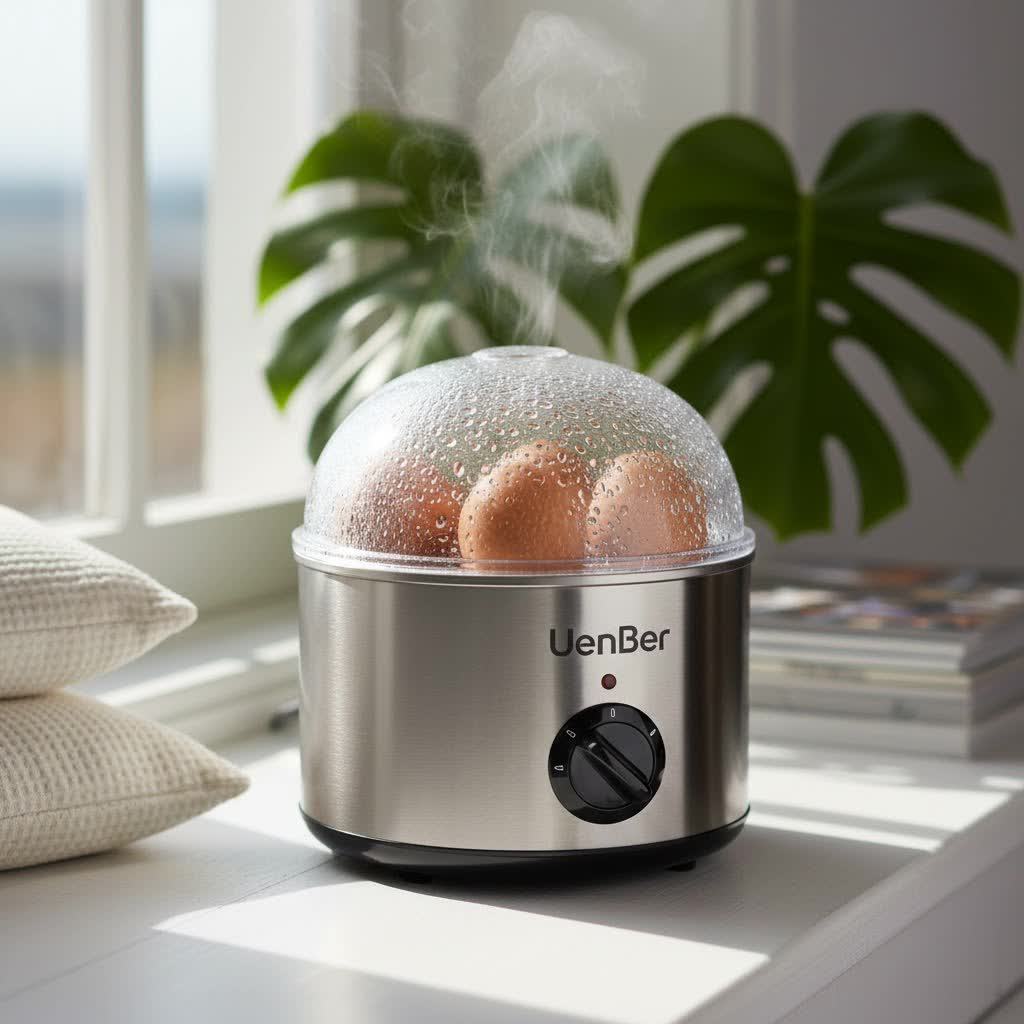
Waking up to a busy morning often leaves little time for a nutritious breakfast, let alone the perfectly cooked eggs you crave. If you’ve been yearning for an easier way to prepare eggs without the fuss of stovetop boiling or complicated gadgets, a Microwave Egg Boiler might just be your kitchen salvation. This innovative tool promises to deliver delicious, consistently cooked eggs in mere minutes, transforming your breakfast routine. Let’s delve into the world of microwave egg boilers to discover how they work, their benefits, and how to choose the best one for your culinary needs.
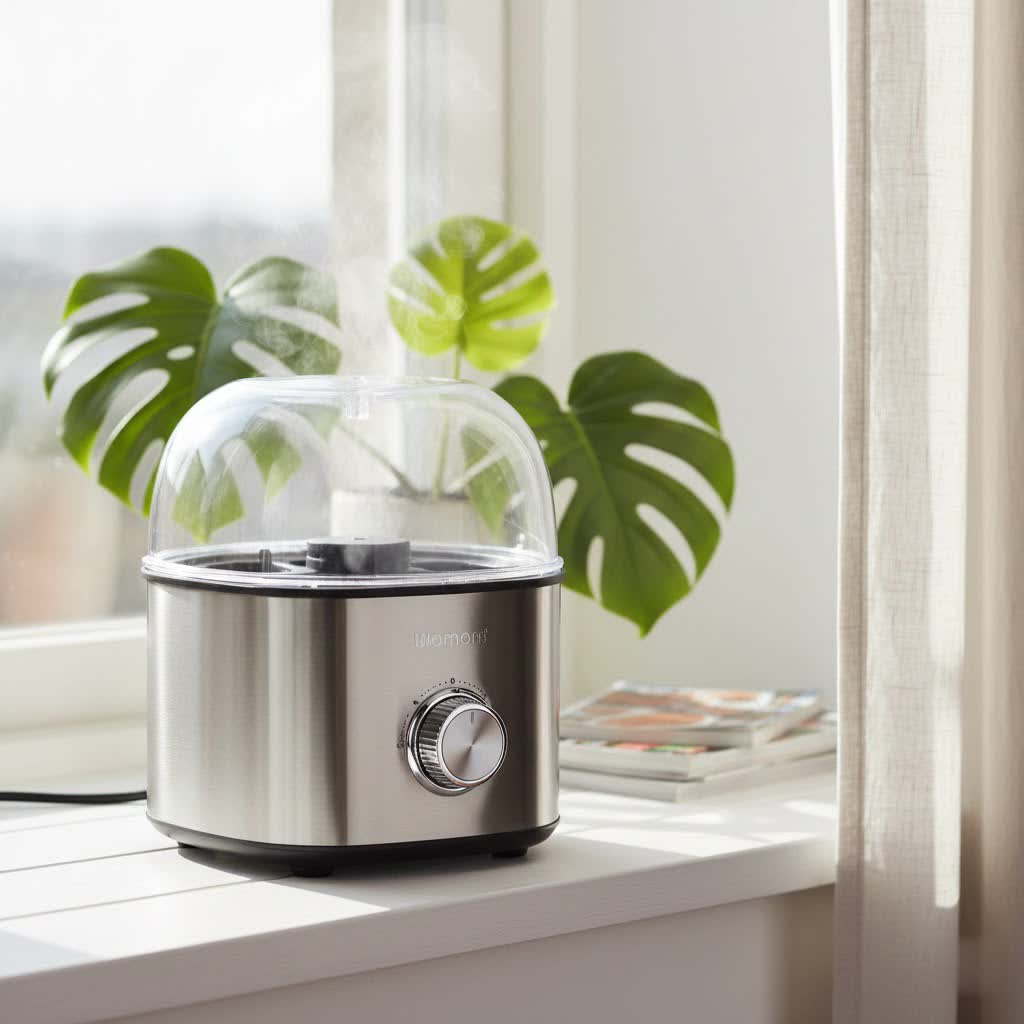
What is a Microwave Egg Boiler and Why Do You Need One?
A microwave egg boiler is a compact kitchen device specifically designed to cook eggs using the power of your microwave. Unlike simply placing an egg directly into a microwave (which is generally unsafe and can lead to messy explosions), these gadgets utilize a small amount of water to create steam within an enclosed container. This steam then gently cooks the eggs to your desired doneness, mimicking the traditional boiling process but with significantly less time and effort.
Why should you consider adding one to your kitchen arsenal? The benefits are compelling for anyone seeking efficiency and convenience. Firstly, they are incredible time-savers. Forget waiting for a pot of water to boil; most microwave egg boilers can deliver perfectly cooked hard or soft-boiled eggs in just minutes. This speed is a game-changer for hectic mornings or quick, protein-packed snacks. Secondly, they offer unparalleled convenience. No stovetop is required, making them ideal for dorm rooms, small apartments, or offices where kitchen access is limited. Cleanup is also typically straightforward, with many models being dishwasher safe. Finally, and perhaps most importantly, they enhance safety and consistency. By carefully controlling the steaming environment, these devices prevent the common issue of eggs exploding in the microwave while ensuring an even cook every time, eliminating the guesswork often associated with traditional methods.
Types of Microwave Egg Cookers
The market offers a variety of microwave egg cookers, each suited for different egg preparations. Understanding these types will help you determine which best fits your cooking style.
For Whole Eggs (Boiling/Steaming)
These are the most common “microwave egg boilers” and are designed to cook eggs in their shells, producing results similar to stovetop hard or soft-boiled eggs. You typically place a small amount of water in the base, insert the eggs into a tray or designated cavities, and microwave.
- Pros: They are exceptionally convenient for preparing hard or soft-boiled eggs quickly, often without needing to pierce the shell (depending on the model). They eliminate the need for large pots of boiling water, reducing mess and potential hazards. These models are usually compact, making storage easy.
- Cons: The capacity is often limited, typically to 1-4 eggs at a time. Achieving precise doneness can require some trial and error, as cooking times are dependent on your microwave’s wattage and the desired egg consistency. The unit can also be hot to handle directly after microwaving, requiring care.
|
Our Picks for the Best Egg Boiler in 2026
We may earn a commission when you use one of our links to make a purchase.
|
||
| Num | Product | Action |
|---|---|---|
| 1 | Evoloop Rapid Egg Cooker Electric 12 Eggs Capacity, Soft, Medium, Hard Boiled, Poached, Omelet Maker Egg Poacher & Vegetable Steamer, BPA Free Tray |

|
| 2 | Evoloop Rapid Egg Cooker Electric 6 Eggs Capacity, Soft, Medium, Hard Boiled, Poacher, Omelet Maker Egg Poacher With Auto Shut-Off, BPA Free |
|
| 3 | DASH Electric Rapid Egg Cooker for Hard Boiled/Poached/Scrambled Eggs or Omelets with Auto Shut-Off Feature, Black, 7 Egg Capacity |
|
| 4 | Dash Rapid Egg Cooker - Boiler, Poacher & Steamer - Includes Measuring & Recipe Guide - Dishwasher Safe - Holds 7 Eggs, Aqua |
|
| 5 | Annie & Mia Design Stainless Steel Electric Rapid Egg Cooker, 8 Egg Capacity 500W, Soft/Medium/Hard Boiled Egg Boiler Poacher Steamer Omelet Maker, Knob Auto Shut-Off, with Recipe Guide Book (Black) |
|
| 6 | Elite Gourmet EGC115B Easy Egg Cooker Electric 7-Egg Capacity, Soft, Medium, Hard-Boiled Egg Cooker with Auto Shut-Off, Measuring Cup Included, BPA Free, Classic Black |
|
| 7 | DASH Rapid Egg Cooker: 7 Egg Capacity Electric Egg Cooker for Hard Boiled Eggs, Poached Eggs, Scrambled Eggs, or Omelets. |
|
| 8 | Elite Gourmet EGC007CHC# Rapid Egg Cooker, 7 Easy-To-Peel, Hard, Medium, Soft Boiled Eggs, Poacher, Omelet Maker, Auto Shut-Off, Alarm, 16-Recipe Booklet, Charcoal Grey |
|
| 9 | Cuisinart CEC-10 Egg Central Egg Cooker, Brushed Stainless Steel |
|
| 10 | Microwave Egg Cooker, Quick-Heat Poacher Fryer with Lid, for Breakfast Sandwiches Dishwasher Safe Portable Multi-Use Egg Cooker Easy to Use and Clean (pink) |
|
For Scrambled, Poached, or Omelets (Out of Shell)
Other microwave egg cookers are designed for eggs cooked out of their shells. These often come as individual cups, molds, or small containers with lids.
- Pros: They excel at making quick scrambled eggs, individual omelets, or poached eggs in a minute or less. They are fantastic for breakfast sandwiches and often feature non-stick surfaces for easy removal and cleaning.
- Cons: The texture of scrambled or poached eggs from a microwave can sometimes be described as rubbery or gummy compared to stovetop methods. They are generally less suitable for preparing classic hard-boiled eggs in the shell.
Microwave Egg Boiler vs. Traditional Methods: A Comparison
When deciding if a microwave egg boiler is right for you, it’s helpful to compare it against electric egg cookers and traditional stovetop boiling.
| Feature | Microwave Egg Boiler | Electric Egg Cooker | Stovetop Boiling |
|---|---|---|---|
| Speed | Very Fast (3-10 minutes) | Fast (10-20 minutes) | Moderate (15-25 minutes including water heating) |
| Convenience | High (no stovetop, compact) | High (set-it-and-forget-it) | Moderate (requires constant monitoring) |
| Precision | Moderate (wattage dependent) | High (preset settings, auto shut-off) | High (manual timing, visual checks) |
| Safety | High (enclosed steam system) | High (auto shut-off, cool-touch) | Moderate (handling boiling water) |
| Capacity | Low (1-4 eggs typical) | Moderate (up to 7-14 eggs) | High (limited only by pot size) |
| Versatility | Boiled, scrambled, poached (model-dependent) | Boiled, poached, omelets, egg bites | Boiled only (direct method) |
| Footprint/Storage | Small, very compact | Medium (dedicated appliance) | N/A (uses existing pots) |
| Cleanup | Easy (often dishwasher safe) | Easy (removable parts often dishwasher safe) | Moderate (pans, less complex parts) |
| Cost | Low | Low-Medium | N/A (uses existing kitchenware) |
“If you’re someone who eats eggs regularly and values speed and precision, then yes, an electric egg cooker can be a worthwhile investment,” says Nelson Serrano-Bahri, chef and director of innovation at the American Egg Board. “But if you’re more of an occasional egg-eater, stovetop methods are perfectly adequate.” Microwave egg boilers fit into the “speed and convenience” category, often surpassing electric cookers in sheer speed for a few eggs, particularly when you factor in heating time.
How to Choose the Right Microwave Egg Boiler for You
Selecting the perfect microwave egg boiler involves considering your personal cooking habits and preferences.
Determine Your Usage Needs
- What types of eggs do you enjoy most? If hard-boiled eggs for salads and meal prep are your priority, a whole-egg steamer is ideal. For quick breakfast sandwiches, a cooker designed for scrambled or poached eggs might be better.
- How many eggs do you typically cook at once? Most microwave egg boilers accommodate 1 to 4 eggs. If you frequently cook for a crowd, an electric egg cooker with a larger capacity might be more suitable.
- How often will you use it? For daily use, durability and ease of cleaning become paramount. For occasional use, a simpler, more affordable model might suffice.
Key Features to Look For
- Capacity: Ensure the model can hold the number of eggs you typically need.
- Material: Look for BPA-free plastic for safety, or ceramic for a more robust option. Some have aluminum inserts for steaming.
- Safety Features: Good models will have secure lids and steam vents to prevent pressure buildup and explosions. Stay-cool handles or easy-grip designs are a plus for safe removal from the microwave.
- Ease of Cleaning: Many parts are dishwasher safe, but always check the manufacturer’s instructions. Simpler designs with fewer crevices are generally easier to clean.
- Clear Instructions: A good instruction manual with microwave wattage-specific cooking times will save you a lot of guesswork.
- Compact Storage: Since they are often small, look for designs where components nest together for minimal storage space.
Brand Reputation & User Reviews
While specific brand recommendations can vary, look for well-known kitchenware brands that often produce reliable products. Always read recent user reviews to gain insight into a product’s real-world performance, durability, and any potential quirks. Pay attention to comments regarding consistency of cooking, ease of use, and any safety concerns.
Top Microwave Egg Boiler Models
While specific models and prices fluctuate, here’s a general guide to what you can expect across different categories of microwave egg boilers:
- Simple & Affordable: Many basic plastic models are available, often shaped like a chicken or a simple dome. These typically cook 1-4 whole eggs using steam and are perfect for students or those on a budget. Brands like Joie MSC Big Boiley or generic options offer straightforward functionality for perfectly boiled eggs in minutes.
- Versatile Options: Some microwave cookers go beyond just boiling. Brands like OXO offer microwave egg cookers that can make scrambled or fried eggs for sandwiches quickly. Dash also provides versatile electric models that include poaching and omelet trays, though these are not strictly microwave-only.
- Premium Picks: Higher-end microwave egg cookers might feature more durable materials like ceramic, such as the Chefologist Ceramic Microwave Egg & More Cooker, which is designed for preparing, cooking, and eating eggs all in one container. Nordic Ware also offers a popular microwave egg boiler known for consistently cooking up to four eggs without cracking.
Tips for Using and Maintaining Your Microwave Egg Boiler
To get the best results and ensure longevity from your microwave egg boiler, follow these practical tips:
- Read the Instructions Carefully: Every microwave and egg boiler model can be slightly different. Pay close attention to the recommended water levels and cooking times for various egg consistencies (soft, medium, hard) and microwave wattages. This is crucial for safety and achieving your desired results.
- Always Add Water: Water is essential for creating the steam that cooks the eggs safely and effectively. Never attempt to cook eggs in the microwave egg boiler without the specified amount of water, as this can lead to explosions or damage to the device.
- Pierce Eggs (If Recommended): Some manufacturers advise piercing the larger end of the egg with a pin before cooking to prevent bursting. If your model’s instructions suggest this, do not skip this step. However, some newer designs are explicitly made to prevent explosions without piercing.
- Allow Resting Time: Eggs continue to cook for a short period after the microwave stops. Most instructions will include a recommendation for a brief resting time (e.g., 1-2 minutes) before opening the cooker and removing the eggs. This ensures optimal doneness and allows the steam to dissipate safely.
- Clean Promptly and Properly: For plastic models, hand washing with warm, soapy water is often recommended to preserve the material, though some are dishwasher safe. Avoid abrasive cleaners that could scratch the surface. Ensure all parts are thoroughly dry before storing.
- Storage: Keep your microwave egg boiler in a cool, dry place. Its compact size often means it can be tucked away easily in a cupboard.
Conclusion
A microwave egg boiler is a clever, convenient, and surprisingly effective gadget that simplifies egg preparation, especially for those with busy schedules or limited kitchen space. From perfectly hard-boiled eggs for your salad to a quick scrambled patty for a breakfast sandwich, these devices leverage the speed of your microwave to deliver consistent results with minimal fuss. By understanding the different types, considering key features, and following proper usage guidelines, you can easily find a microwave egg boiler that transforms your morning routine. Ready to ditch the boiling pot and embrace effortless egg cooking?
What quick and easy egg creations will you be making with your new microwave egg boiler?
Frequently Asked Questions
Can you put a whole egg in the microwave?
No, putting a raw, whole egg directly into a microwave is dangerous and can cause it to explode due to rapid steam buildup inside the shell. However, a microwave egg boiler is specifically designed to safely steam whole eggs in their shells, preventing explosions while cooking them.
How long does it take to boil an egg in a microwave egg boiler?
Cooking times vary depending on your microwave’s wattage, the number of eggs, and your desired doneness. Generally, you can expect soft-boiled eggs in 3-5 minutes and hard-boiled eggs in 7-10 minutes, often with an additional minute or two of resting time. Always refer to your specific model’s instructions.
Are microwave egg boilers safe to use?
Yes, when used according to the manufacturer’s instructions, microwave egg boilers are safe. Their design typically involves a small amount of water that creates steam, which cooks the eggs and prevents the dangerous pressure buildup that causes explosions when microwaving eggs directly.
Can I make poached eggs in a microwave egg boiler?
While some multi-functional microwave egg cookers can poach eggs out of the shell, most traditional “microwave egg boilers” are designed specifically for steaming whole, in-shell eggs (hard or soft-boiled). If poaching is a priority, look for a model explicitly advertised for poaching or consider a dedicated microwave egg poacher.
How do I clean my microwave egg boiler?
Most microwave egg boilers are very easy to clean. Many plastic models are dishwasher safe, while others require hand washing with warm, soapy water. Always check the manufacturer’s guidelines, and avoid harsh abrasive cleaners to protect the material.