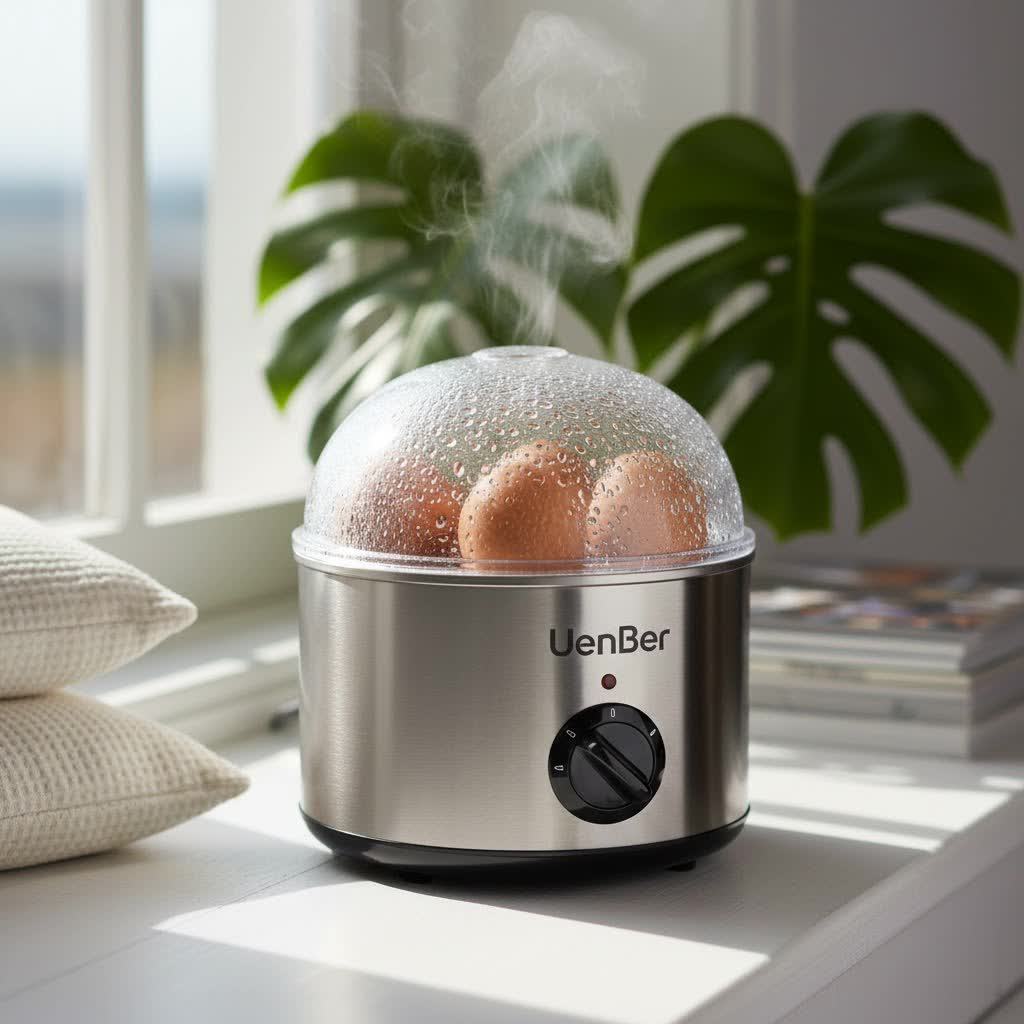
In the bustling environment of a commercial kitchen, every second counts, and consistency is king. If you’re managing a restaurant, catering service, or any food establishment that requires a steady supply of perfectly cooked eggs, you know the challenges of traditional boiling methods. From inconsistent doneness to wasted time and labor, getting eggs right, every single time, can be a surprisingly complex task. This comprehensive guide will explore the world of Commercial Egg Boilers, detailing their benefits, types, selection criteria, and maintenance, helping you find the perfect solution to streamline your operations and consistently deliver exceptional egg dishes.
What is a Commercial Egg Boiler? Why Your Business Needs One
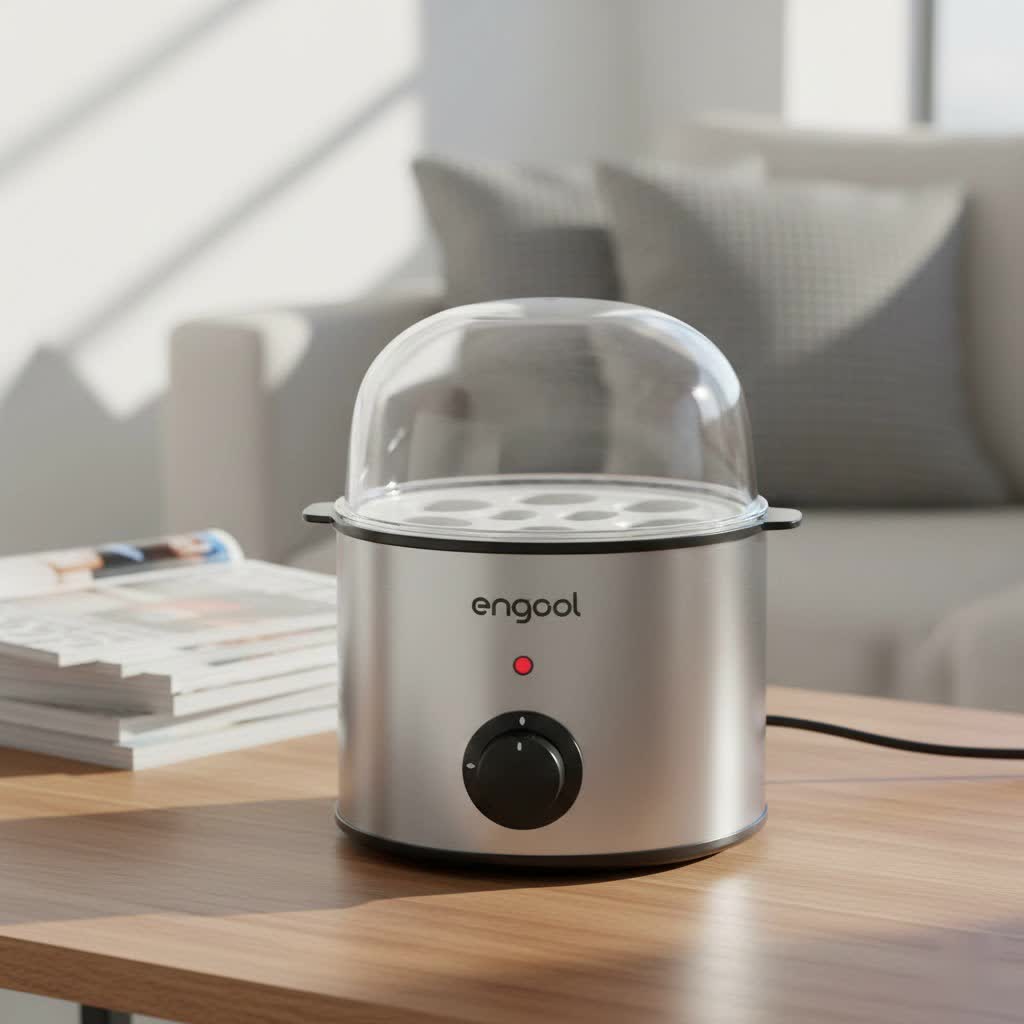
A commercial egg boiler is a specialized piece of kitchen equipment designed to cook large quantities of eggs efficiently and consistently, specifically for professional food service operations. Unlike their domestic counterparts, these machines are built for high volume, durability, and precision, ensuring that whether you need soft-boiled, medium-boiled, or hard-boiled eggs, they are prepared to perfection with minimal oversight.
The benefits of integrating a commercial egg boiler into your kitchen are manifold. Foremost, they offer unparalleled efficiency, drastically reducing the time and labor traditionally required to boil eggs on a stovetop. This frees up valuable staff to focus on other critical tasks. Furthermore, these machines guarantee consistent results, eliminating the guesswork and variations that can occur with manual methods. Every egg comes out uniformly cooked, ensuring customer satisfaction and maintaining your establishment’s quality standards. They also contribute to food safety by providing controlled cooking environments and often come with features that prevent overcooking or undercooking.
Common Types of Commercial Egg Boilers on the Market
The market offers several types of commercial egg boilers, each with distinct advantages and suited for different operational scales and needs. Understanding these variations is crucial for making an informed purchasing decision.
-
Electric Commercial Egg Boilers: These are the most prevalent type in professional kitchens, offering convenience and precise control.
- Advantages: Extremely user-friendly, often featuring digital controls for exact temperature and time settings, automatic shut-off functions, and the ability to cook various egg consistencies with a push of a button. Many models are designed for high-capacity output, making them ideal for busy establishments.
- Disadvantages: Require a stable power source and can have a higher initial investment compared to simpler methods. Their size can also be a consideration for kitchens with limited counter space.
-
Steam-Based Commercial Egg Cookers: While often a subset of electric boilers, some dedicated steam cookers are designed specifically for eggs, using steam to gently and evenly cook them.
- Advantages: Excellent for achieving consistent texture and easy peeling. They often maintain a more uniform cooking environment, reducing the chances of cracked shells. Steam cooking is also energy-efficient.
- Disadvantages: May take slightly longer to heat up than direct immersion electric boilers. Capacity can vary, so it’s essential to choose a model that meets your volume requirements.
-
Countertop Water Bath Egg Boilers: These machines use a heated water bath to cook eggs, often found in smaller commercial settings or breakfast buffets.
- Advantages: Simple operation, often less expensive than high-end electric models, and can be relatively compact. They are straightforward to clean and maintain.
- Disadvantages: May offer less precise control over cooking consistency compared to fully automated electric models, requiring more manual monitoring of cooking times. Capacity is typically lower.
Choosing the right type hinges on your kitchen’s volume, desired level of automation, and budget.
Comparison Table for Commercial Egg Boiler Types
| Feature | Electric Immersion Boilers | Steam-Based Cookers | Countertop Water Bath Boilers |
|---|---|---|---|
| Convenience | Very High | High | Medium |
| Speed | Medium to High | Medium | Medium |
| Precision | Very High | High | Medium |
| Initial Cost | High | Medium to High | Low to Medium |
| Safety | High | High | Medium to High |
| Ease of Cleaning | Easy | Easy | Fairly Easy |
| Capacity | High to Very High | Medium to High | Low to Medium |
How to Choose the Right Commercial Egg Boiler
Selecting the ideal commercial egg boiler for your establishment involves carefully considering several factors to ensure it meets your specific operational demands and budget. A well-chosen machine can significantly enhance your kitchen’s productivity and the quality of your egg dishes.
First, determine your usage needs. How many eggs do you typically need to cook in a single batch or per hour during peak times? Commercial boilers come in various capacities, from compact countertop units holding a dozen eggs to large floor models capable of cooking hundreds. Over- or underestimating your volume requirements can lead to inefficiencies. Consider whether you need to cook different types of eggs (chicken, duck, quail) and their varying sizes.
Next, evaluate the essential features. Look for models with precise temperature controls and timers, which are crucial for consistent results. Automatic shut-off functions are a significant safety feature and prevent overcooking, saving both product and energy. Easy-to-clean components, such as removable racks and non-stick surfaces, will save valuable labor time. Some advanced models may offer programmable settings for different doneness levels, further simplifying operation. Durable construction, often stainless steel, is vital for longevity in a demanding commercial environment.
> “Investing in a commercial egg boiler with programmable settings was a game-changer for our breakfast rush. It allows our chefs to consistently deliver perfectly cooked eggs, whether poached or hard-boiled, without constant supervision, drastically improving our morning service flow.” – Chef Elena Rodriguez, Head Chef at The Morning Table Bistro
Furthermore, research reputable brands. While I cannot provide specific product recommendations, established manufacturers of commercial kitchen equipment often offer better reliability, customer support, and spare parts availability. Look for brands known for producing durable and efficient appliances. Finally, read reviews and testimonials from other users in the food service industry. Their real-world experiences can provide invaluable insights into the performance, reliability, and maintenance requirements of different models, helping you avoid potential pitfalls and make a confident purchase.
Top Commercial Egg Boilers for Modern Kitchens
The commercial egg boiler market features a range of options designed to cater to diverse kitchen scales and budgets. While specific brand names are not listed, we can categorize popular choices based on their features and typical price points.
-
Entry-Level Compact Units (Typically under $500): These are ideal for smaller cafes, bed-and-breakfasts, or operations with moderate egg demand.
- Overview: Often electric immersion-style, designed for simplicity and reliability. They typically handle 1-2 dozen eggs per batch.
- Pros: Affordable, compact footprint, easy to operate with basic timer and temperature controls. Good for consistent hard or soft-boiled eggs.
- Cons: Limited capacity, may lack advanced features like multiple programmable settings. Best for consistent, single-style egg cooking.
-
Mid-Range Multi-Function Boilers (Typically $500 – $1,500): Suited for bustling restaurants, medium-sized hotels, and catering businesses needing versatility.
- Overview: These models offer higher capacity, often ranging from 3-6 dozen eggs, and introduce more sophisticated controls. They might include steam functions or precise water bath temperature regulation.
- Pros: Greater capacity and speed, enhanced precision for various doneness levels (soft, medium, hard), digital displays, and often auto-shutoff. Built with more robust materials for daily commercial use.
- Cons: Larger footprint, slightly more complex operation requiring minimal training.
-
High-Capacity Industrial Units (Typically above $1,500): Designed for large-scale operations such as institutional kitchens, large hotels, and high-volume catering.
- Overview: These are robust, often floor-standing or large countertop units capable of cooking hundreds of eggs per hour. They are built for continuous operation and maximum efficiency.
- Pros: Exceptional capacity and speed, extreme precision with advanced programmable settings, highly durable construction, and often designed for energy efficiency. May include features like integrated chilling or automatic dispensing.
- Cons: Significant initial investment, requires dedicated space and potentially special electrical requirements.
> “Efficiency in egg preparation is critical for large-scale buffet operations. Modern commercial egg boilers are essential for maintaining quality and reducing labor costs, allowing our kitchen staff to focus on more complex dishes.” – Restaurant Operations Manager David Chen, Global Hotel Group
Tips for Using and Maintaining Your Commercial Egg Boiler
Proper usage and regular maintenance are paramount to ensuring the longevity, efficiency, and safety of your commercial egg boiler. Adhering to best practices will help you consistently produce high-quality eggs and minimize downtime.
Always read the manufacturer’s instruction manual thoroughly before the first use. Each model may have specific operating procedures, water level requirements, and cleaning instructions. Understanding these guidelines is crucial for optimal performance and to avoid voiding your warranty. Pay close attention to recommended egg placement and maximum capacity to ensure even cooking.
Clean the boiler after each use. This is perhaps the most critical maintenance step. Limescale and mineral deposits from water can build up on heating elements and surfaces, affecting efficiency and potentially damaging the unit. Use mild, food-safe detergents and soft brushes or cloths. Avoid abrasive cleaners or scouring pads, as these can scratch stainless steel surfaces and promote future buildup. Many models have removable parts that are dishwasher safe or easy to hand wash.
Regularly descale the unit, especially if you are in an area with hard water. Descaling solutions, often a mixture of vinegar and water or commercial descaling agents, should be run through the machine periodically as per the manufacturer’s recommendations. This prevents mineral buildup that can reduce heating efficiency and potentially cause breakdowns. Never use harsh chemical descalers not approved for food-contact surfaces.
Finally, store the boiler in a dry, well-ventilated area when not in use. Ensure all components are completely dry before storage to prevent mold or mildew growth. Routinely inspect electrical cords and plugs for any signs of wear or damage. If you notice any issues, have them serviced by a qualified technician immediately to prevent safety hazards. Following these simple tips will keep your commercial egg boiler in prime condition, ready to meet the demands of your busy kitchen.
Conclusion
A commercial egg boiler is far more than just a convenience; it’s a strategic investment for any food service operation looking to optimize efficiency, ensure consistent product quality, and elevate customer satisfaction. By understanding the different types available, carefully considering your specific needs, and committing to proper maintenance, you can select a commercial egg boiler that seamlessly integrates into your workflow, saving valuable time and labor while consistently delivering perfectly cooked eggs. This essential piece of equipment empowers your kitchen to handle high demand with precision, allowing your culinary team to focus on creativity rather than manual egg preparation.
Are you ready to transform your kitchen’s egg production and unlock new levels of efficiency?
Frequently Asked Questions
How do commercial egg boilers ensure consistent doneness for large batches of eggs?
|
Our Picks for the Best Egg Boiler in 2026
We may earn a commission when you use one of our links to make a purchase.
|
||
| Num | Product | Action |
|---|---|---|
| 1 | Cuisinart CEC-10 Egg Central Egg Cooker, Brushed Stainless Steel |

|
| 2 | Evoloop Rapid Egg Cooker Electric 12 Eggs Capacity, Soft, Medium, Hard Boiled, Poached, Omelet Maker Egg Poacher & Vegetable Steamer, BPA Free Tray |
|
| 3 | Elite Gourmet EGC007CHC# Rapid Egg Cooker, 7 Easy-To-Peel, Hard, Medium, Soft Boiled Eggs, Poacher, Omelet Maker, Auto Shut-Off, Alarm, 16-Recipe Booklet, Charcoal Grey |
|
| 4 | Evoloop Rapid Egg Cooker Electric 6 Eggs Capacity, Soft, Medium, Hard Boiled, Poacher, Omelet Maker Egg Poacher With Auto Shut-Off, BPA Free |
|
| 5 | Dash Rapid Egg Cooker - Boiler, Poacher & Steamer - Includes Measuring & Recipe Guide - Dishwasher Safe - Holds 7 Eggs, Aqua |
|
| 6 | Annie & Mia Design Stainless Steel Electric Rapid Egg Cooker, 8 Egg Capacity 500W, Soft/Medium/Hard Boiled Egg Boiler Poacher Steamer Omelet Maker, Knob Auto Shut-Off, with Recipe Guide Book (Black) |
|
| 7 | DASH Rapid Egg Cooker: 7 Egg Capacity Electric Egg Cooker for Hard Boiled Eggs, Poached Eggs, Scrambled Eggs, or Omelets. |
|
| 8 | DASH Electric Rapid Egg Cooker for Hard Boiled/Poached/Scrambled Eggs or Omelets with Auto Shut-Off Feature, Black, 7 Egg Capacity |
|
| 9 | Microwave Egg Cooker, Quick-Heat Poacher Fryer with Lid, for Breakfast Sandwiches Dishwasher Safe Portable Multi-Use Egg Cooker Easy to Use and Clean (pink) |
|
| 10 | Elite Gourmet EGC115B Easy Egg Cooker Electric 7-Egg Capacity, Soft, Medium, Hard-Boiled Egg Cooker with Auto Shut-Off, Measuring Cup Included, BPA Free, Classic Black |
|
Commercial egg boilers achieve consistent doneness through precise temperature control and calibrated timers, often utilizing a water bath or steam system. Advanced models may feature programmable settings for various doneness levels, ensuring each egg in a batch is cooked uniformly regardless of its position, eliminating the variability common with stovetop methods.
Are commercial egg boilers energy efficient compared to traditional boiling?
Many commercial egg boilers are designed with energy efficiency in mind, especially models that use steam or insulated water baths. They heat water to a precise temperature and maintain it, often more efficiently than boiling large pots of water on an open stovetop, which can lose a lot of heat to the surroundings.
Can a commercial egg boiler cook different types of eggs simultaneously?
While most commercial egg boilers are optimized for standard chicken eggs, some high-end models may accommodate different egg sizes (e.g., duck or quail eggs) with adjustable racks or baskets. However, achieving precise doneness for vastly different sizes simultaneously can be challenging without individual programming for each type.
How often should a commercial egg boiler be descaled?
The frequency of descaling depends on your water hardness and the boiler’s usage. In areas with hard water or with heavy daily use, descaling may be required weekly or bi-weekly. For softer water or less frequent use, monthly or quarterly descaling might suffice. Always refer to the manufacturer’s instructions for specific recommendations.
What are the key safety features to look for in a commercial egg boiler?
Essential safety features include automatic shut-off functions to prevent overcooking or dry-boiling, cool-touch exteriors to protect staff from burns, and sturdy, non-slip feet for stability. High-quality electrical components and compliance with food safety certifications are also critical for commercial kitchen environments.