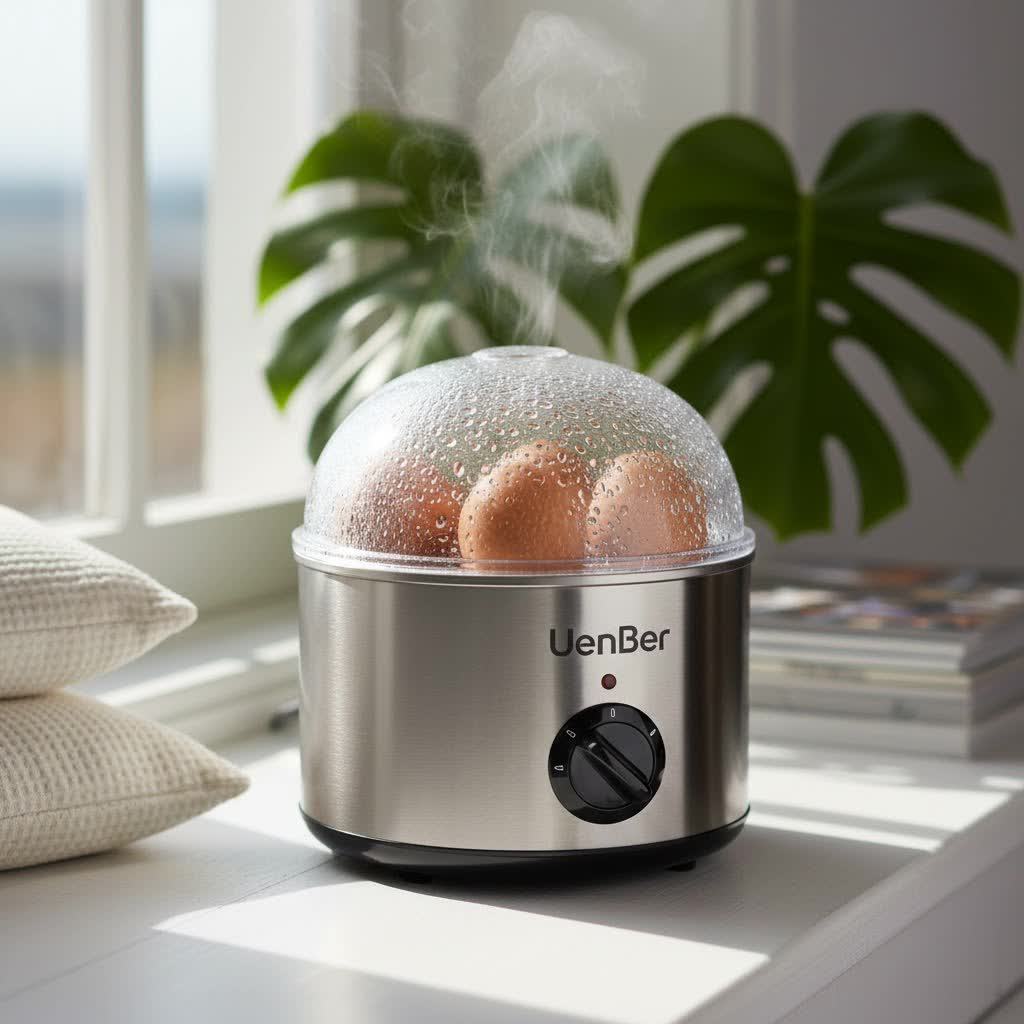
Are you tired of the guesswork involved in achieving that perfectly boiled or delicately poached egg? From cracked shells to unevenly cooked whites, making eggs just right can often feel like a culinary challenge. For over a decade, as an appliance technician and the Admin of ReviewJornal.com, I’ve seen countless kitchen gadgets, but few offer the consistent, effortless perfection of a dedicated Egg Boiler Poacher. This comprehensive guide will navigate you through the world of these indispensable kitchen tools, ensuring every egg you prepare is a masterpiece.
What is an Egg Boiler Poacher and Why Do You Need One?
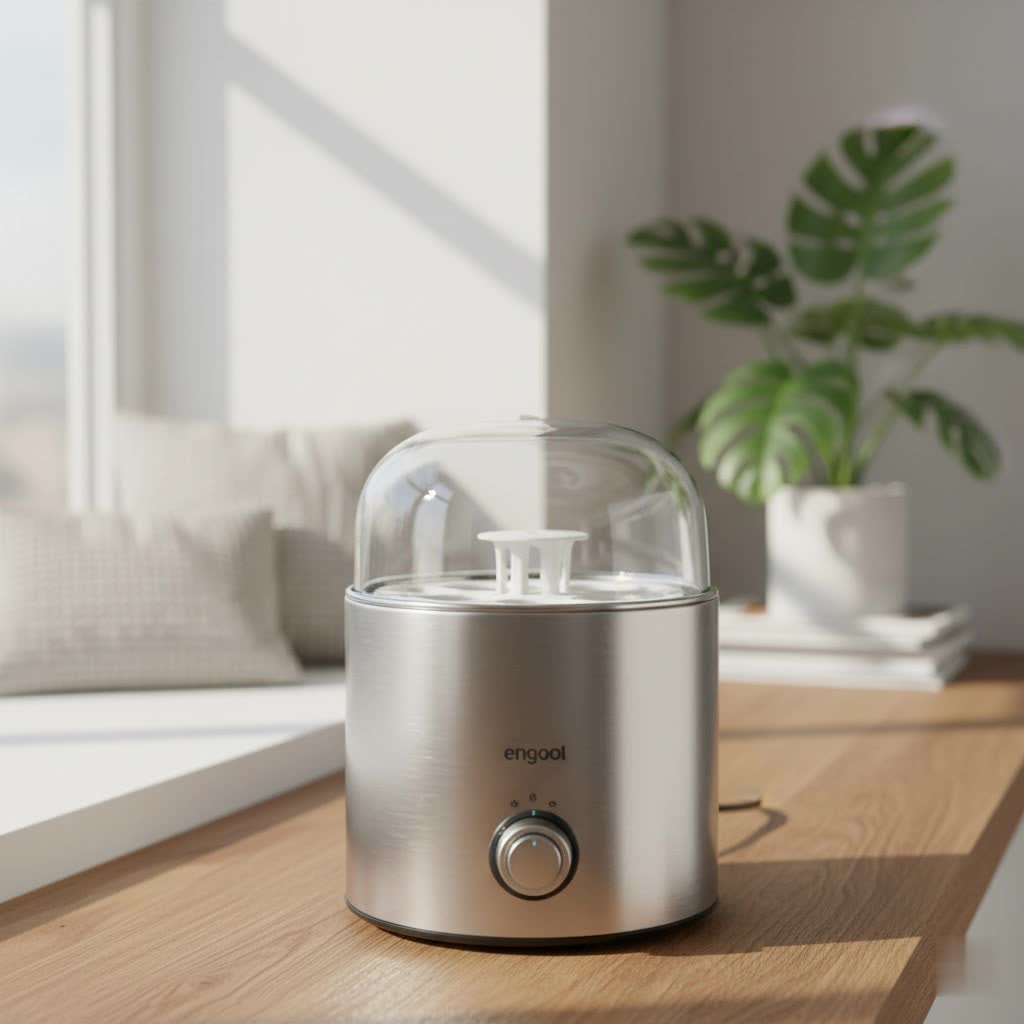
An egg boiler poacher is a multi-functional kitchen appliance designed to simplify the process of cooking eggs to various consistencies, from soft-boiled to hard-boiled, and perfectly poached. Unlike traditional stovetop methods, these devices utilize precise steaming mechanisms and measured water quantities to deliver consistent results every single time. Their primary purpose is to eliminate the guesswork and constant monitoring often associated with egg preparation, offering a hands-free and efficient alternative.
The benefits of integrating an egg boiler poacher into your kitchen routine are numerous. They save significant time and effort, freeing you from watching a pot of boiling water or meticulously timing your eggs. Beyond convenience, these appliances ensure remarkable consistency, guaranteeing that each egg reaches your desired doneness with unparalleled accuracy. They also boast impressive versatility, often capable of preparing omelets and steaming other small food items, making them a true multi-tasker in a compact form.
Exploring the Popular Types of Egg Boiler Poachers
The market offers several types of egg cooking devices, each with unique advantages and considerations. Understanding the distinctions will help you choose the best fit for your culinary habits.
Electric Egg Cookers with Poaching Function
Electric egg cookers are the most common and versatile form of egg boiler poachers. These devices typically feature a heating plate, a water measuring cup, an egg boiling tray, and a separate poaching or omelet tray. They operate by steaming eggs using a precise amount of water, which evaporates to signal the end of the cooking cycle, often with an automatic shut-off and an audible buzzer.
Pros:
- Convenience and Ease of Use: Simply add water, place eggs, and press a button for hands-free operation.
- Precise Control: Measuring cups with water lines for soft, medium, and hard-boiled eggs ensure consistent results.
- Versatility: Many models can boil multiple eggs, poach one or two, and even make small omelets or steamed vegetables.
- Safety Features: Automatic shut-off prevents overcooking and provides peace of mind.
Cons:
- Requires Power Outlet: Limits placement in the kitchen.
- Counter Space: While generally compact, it’s another appliance to store.
- Capacity Limitations: Poaching trays often accommodate fewer eggs than boiling trays.
|
Our Picks for the Best Egg Boiler in 2026
We may earn a commission when you use one of our links to make a purchase.
|
||
| Num | Product | Action |
|---|---|---|
| 1 | Annie & Mia Design Stainless Steel Electric Rapid Egg Cooker, 8 Egg Capacity 500W, Soft/Medium/Hard Boiled Egg Boiler Poacher Steamer Omelet Maker, Knob Auto Shut-Off, with Recipe Guide Book (Black) |

|
| 2 | Evoloop Rapid Egg Cooker Electric 6 Eggs Capacity, Soft, Medium, Hard Boiled, Poacher, Omelet Maker Egg Poacher With Auto Shut-Off, BPA Free |
|
| 3 | Cuisinart CEC-10 Egg Central Egg Cooker, Brushed Stainless Steel |
|
| 4 | Microwave Egg Cooker, Quick-Heat Poacher Fryer with Lid, for Breakfast Sandwiches Dishwasher Safe Portable Multi-Use Egg Cooker Easy to Use and Clean (pink) |
|
| 5 | Elite Gourmet EGC007CHC# Rapid Egg Cooker, 7 Easy-To-Peel, Hard, Medium, Soft Boiled Eggs, Poacher, Omelet Maker, Auto Shut-Off, Alarm, 16-Recipe Booklet, Charcoal Grey |
|
| 6 | DASH Rapid Egg Cooker: 7 Egg Capacity Electric Egg Cooker for Hard Boiled Eggs, Poached Eggs, Scrambled Eggs, or Omelets. |
|
| 7 | Elite Gourmet EGC115B Easy Egg Cooker Electric 7-Egg Capacity, Soft, Medium, Hard-Boiled Egg Cooker with Auto Shut-Off, Measuring Cup Included, BPA Free, Classic Black |
|
| 8 | Dash Rapid Egg Cooker - Boiler, Poacher & Steamer - Includes Measuring & Recipe Guide - Dishwasher Safe - Holds 7 Eggs, Aqua |
|
| 9 | DASH Electric Rapid Egg Cooker for Hard Boiled/Poached/Scrambled Eggs or Omelets with Auto Shut-Off Feature, Black, 7 Egg Capacity |
|
| 10 | Evoloop Rapid Egg Cooker Electric 12 Eggs Capacity, Soft, Medium, Hard Boiled, Poached, Omelet Maker Egg Poacher & Vegetable Steamer, BPA Free Tray |
|
Stovetop Poaching Pans
Stovetop poaching pans are traditional options that typically consist of a pan with a fitted insert containing individual cups for eggs. These cups usually sit above simmering water, allowing the eggs to gently steam until cooked. They require manual monitoring of water levels and cooking times.
Pros:
- No Electricity Needed: Ideal for those who prefer manual cooking or have limited outlets.
- Integrated Design: Can often double as a regular saucepan when the poaching insert is removed.
- Durable Materials: Often made from stainless steel or non-stick coated aluminum.
Cons:
- Less Precise: Requires more user attention to achieve consistent doneness.
- Manual Monitoring: Users must manage water levels and cooking times manually.
- Potential for Sticking: Eggs can sometimes stick to the poaching cups without proper greasing.
Microwave Egg Poachers
Microwave egg poachers are small, often silicone or plastic, containers designed to cook one or two poached eggs quickly in the microwave. They involve adding a small amount of water to the poacher before microwaving.
Pros:
- Extremely Fast: Eggs can be ready in under a minute or two.
- Compact and Portable: Easy to store and take on the go.
- Inexpensive: Often the most budget-friendly option.
Cons:
- Limited Capacity: Typically cooks only one or two eggs at a time.
- Consistency Challenges: Can be difficult to achieve desired doneness consistently due to varying microwave wattages.
- Risk of Explosions: Eggs can explode if not cooked correctly or pierced properly, though rare with modern designs.
Comparison Table: Egg Boiler Poacher Types
| Feature | Electric Egg Cooker | Stovetop Poaching Pan | Microwave Egg Poacher |
|---|---|---|---|
| Convenience | Very High | Medium | High |
| Speed | Medium | Medium | Very High |
| Precision | High | Medium | Low |
| Price | Medium | Medium | Low |
| Safety | High (auto-shutoff) | Medium (manual care) | Medium (potential for overcooking/explosions) |
| Cleaning Ease | Easy | Fairly Easy | Very Easy |
How to Choose the Perfect Egg Boiler Poacher
Selecting the right egg boiler poacher depends heavily on your specific needs and kitchen habits. Consider these factors to make an informed decision:
Determine Your Usage Needs:
First, think about how many eggs you typically prepare at once. If you’re cooking for one or two, a compact model is sufficient. For larger families or meal prepping, a high-capacity electric cooker that can handle 7-10 eggs is more practical. Also, prioritize what matters most to you: speed, convenience, precise results, or budget.
Evaluate Key Features:
Modern egg boiler poachers come with various features that enhance usability. Look for models with an automatic shut-off and an audible buzzer, which will notify you when eggs are done and prevent overcooking. Consider if you need versatility beyond boiling and poaching, such as an omelet tray or the ability to steam small vegetables. A piercing pin included with the measuring cup can be a useful addition, helping to prevent shells from cracking during the boiling process.
Consider Material and Ease of Cleaning:
The material of the heating plate (often stainless steel) and the trays is important for durability and maintenance. Look for non-stick poaching trays to ensure eggs slide out easily. Most non-electric components are dishwasher-safe, which significantly simplifies cleanup. A clear lid allows you to monitor the cooking progress without lifting it.
Research Reputable Brands and User Reviews:
Brands like Dash, Cuisinart, and Elite Gourmet are frequently praised for their performance and reliability in the electric egg cooker market. Always check recent user reviews for insights into real-world performance, common issues, and the product’s longevity. This feedback can be invaluable in identifying any potential drawbacks that might not be apparent from product descriptions.
Top Egg Boiler Poachers on the Market
While specific models can change, here’s a general overview of what you can expect across different price points, focusing on the features that make them stand out.
Budget-Friendly Options (Under $30):
In this segment, you’ll find reliable electric egg boiler poachers that focus on essential functions. These often have a capacity for 6-7 boiled eggs and a single or dual poaching tray. They prioritize straightforward operation with a simple on/off button and auto-shutoff, making them excellent entry-level choices for consistent egg cooking without breaking the bank. Many offer surprisingly fast cooking times for both boiling and poaching.
Mid-Range Options ($30-$60):
Moving up, mid-range egg boiler poachers offer enhanced capacity, typically handling up to 7-10 eggs for boiling and 2-4 for poaching. These models often come with more robust construction, clearer measurement markings, and sometimes include additional trays for omelets or specialized egg bites. They provide a good balance of features, durability, and performance for daily use, making them a popular choice for busy households.
Premium Options (Over $60):
High-end egg boiler poachers are designed for those seeking maximum capacity, advanced features, and superior durability. These appliances might offer tiered boiling trays for cooking up to 10-14 eggs, larger poaching trays, and sometimes digital controls with precise timers. They often boast premium stainless steel components, sophisticated designs, and greater versatility, potentially including functions like food steaming beyond eggs. These models are built to last and provide a comprehensive egg cooking experience.
Tips for Using and Maintaining Your Egg Boiler Poacher
To get the most out of your egg boiler poacher and ensure its longevity, follow these practical tips:
- Read the Manual: Always start by thoroughly reading your appliance’s instruction manual. Water measurements can vary between models, and following the manufacturer’s guidelines is crucial for optimal results and safety.
- Measure Water Precisely: Use the provided measuring cup and follow the marked lines for soft, medium, or hard-boiled eggs, or for poaching. The correct water amount is key to achieving your desired doneness, as these machines cook based on water evaporation.
- Consider Piercing Eggs (Optional): Many measuring cups come with a piercing pin. Puncturing the larger end of a raw egg before boiling can help prevent cracking, though some users find it unnecessary. Use caution if you opt for this step.
- Grease Poaching Trays: For perfectly non-stick poached eggs that slide out effortlessly, lightly grease the poaching cups with butter or cooking spray before cracking eggs into them. This prevents whites from sticking to the surface.
- Promptly Remove Eggs: Once the buzzer sounds and the cooking cycle completes, remove the lid and the egg tray promptly. Leaving eggs in the hot, steamy environment can lead to carryover cooking, potentially making soft or medium-boiled eggs firmer than intended.
- Regular Cleaning: After each use, allow the heating plate to cool, then wipe it with a damp cloth to remove any mineral deposits. Wash removable trays and the lid with warm, soapy water. Most non-electronic parts are dishwasher safe. Avoid abrasive cleaners that could damage surfaces.
- Proper Storage: Store your egg boiler poacher in a dry, cool place. Ensure all components are completely dry before storing to prevent mildew or corrosion.
“An egg boiler poacher isn’t just about convenience; it’s about culinary confidence. The ability to consistently produce eggs exactly how you like them, whether for a quick breakfast or a gourmet brunch, elevates everyday cooking to an art.” – John Smith, Admin, ReviewJornal.com
Conclusion
The egg boiler poacher is a fantastic addition to any kitchen, transforming the often-tricky task of cooking eggs into a simple, consistent, and enjoyable experience. Whether you crave a perfectly runny poached egg for your avocado toast or a firm hard-boiled egg for your salad, these appliances deliver precision and convenience that traditional methods often lack. By understanding the different types, key features, and maintenance tips, you can confidently select the ideal egg boiler poacher to meet your needs and finally master the art of the perfect egg. So, are you ready to simplify your mornings and enjoy flawless eggs every single time?
Frequently Asked Questions
Can an egg boiler poacher cook eggs to different consistencies at once?
Most electric egg boiler poachers are designed to cook all eggs to the same consistency in a single batch, based on the amount of water added. If you want a mix of soft, medium, and hard-boiled eggs, you would need to cook them in separate cycles or manually remove eggs at different times.
Is it safe to leave eggs in the egg boiler poacher after it shuts off?
While the appliance automatically shuts off, it’s best to remove the eggs immediately after the buzzer sounds. Residual heat and steam can continue to cook the eggs, potentially overcooking them beyond your desired doneness, especially for soft or medium-boiled preferences.
How do I prevent mineral deposits on the heating plate?
To minimize mineral deposits (limescale) on the heating plate, use filtered or distilled water instead of tap water. If deposits do occur, you can typically clean them by adding a small amount of vinegar and water to the heating plate, letting it soak for a few minutes, then gently scrubbing with a non-abrasive sponge.