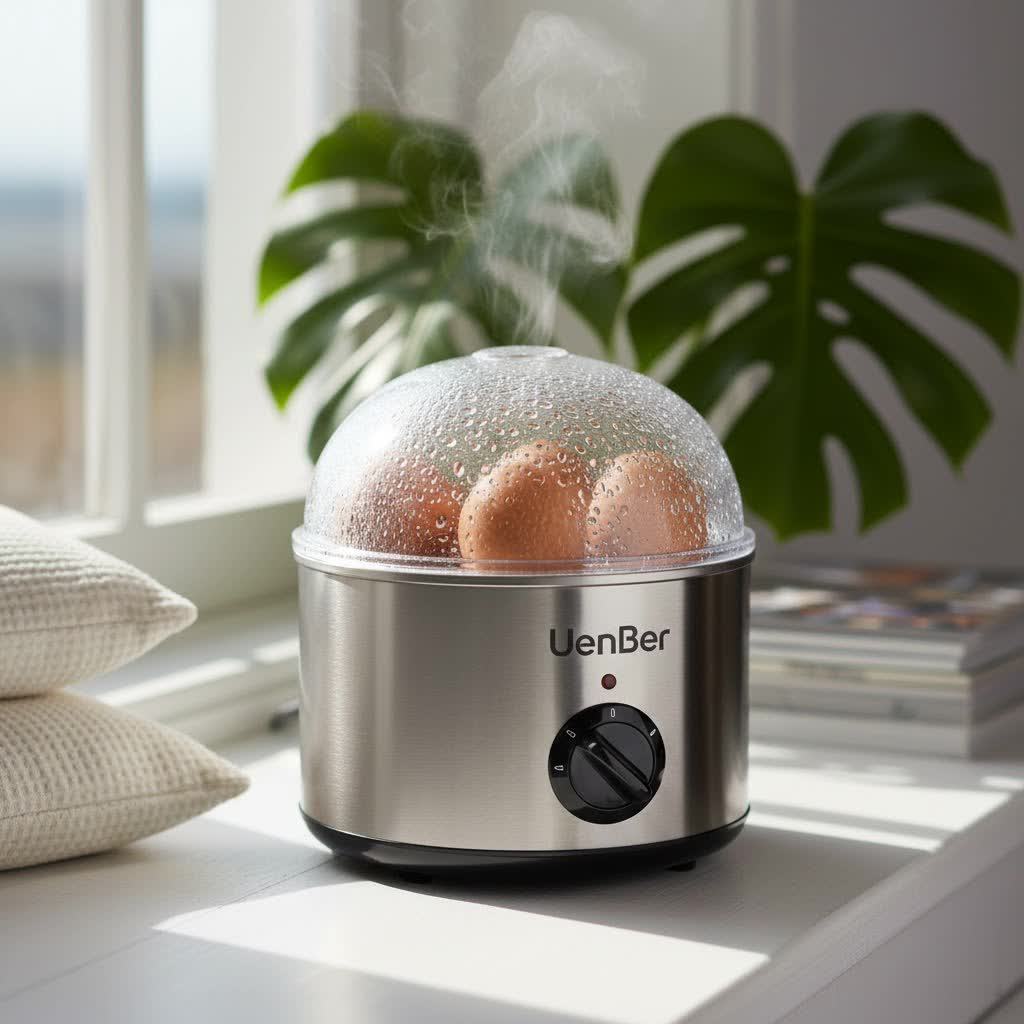
Waking up to a perfectly cooked egg can set a wonderful tone for your day, but achieving that ideal soft, medium, or hard-boiled consistency often feels like a culinary gamble. If you’ve ever stood over a pot, meticulously timing and hoping for the best, you know the frustration. Enter the Automatic Egg Boiler – a kitchen innovation designed to eliminate guesswork and deliver consistently flawless results. This appliance isn’t just about boiling; it’s about simplifying your breakfast routine, saving precious time, and ensuring every egg is cooked exactly to your liking.
Choosing the Perfect Automatic Egg Boiler: A Detailed Guide
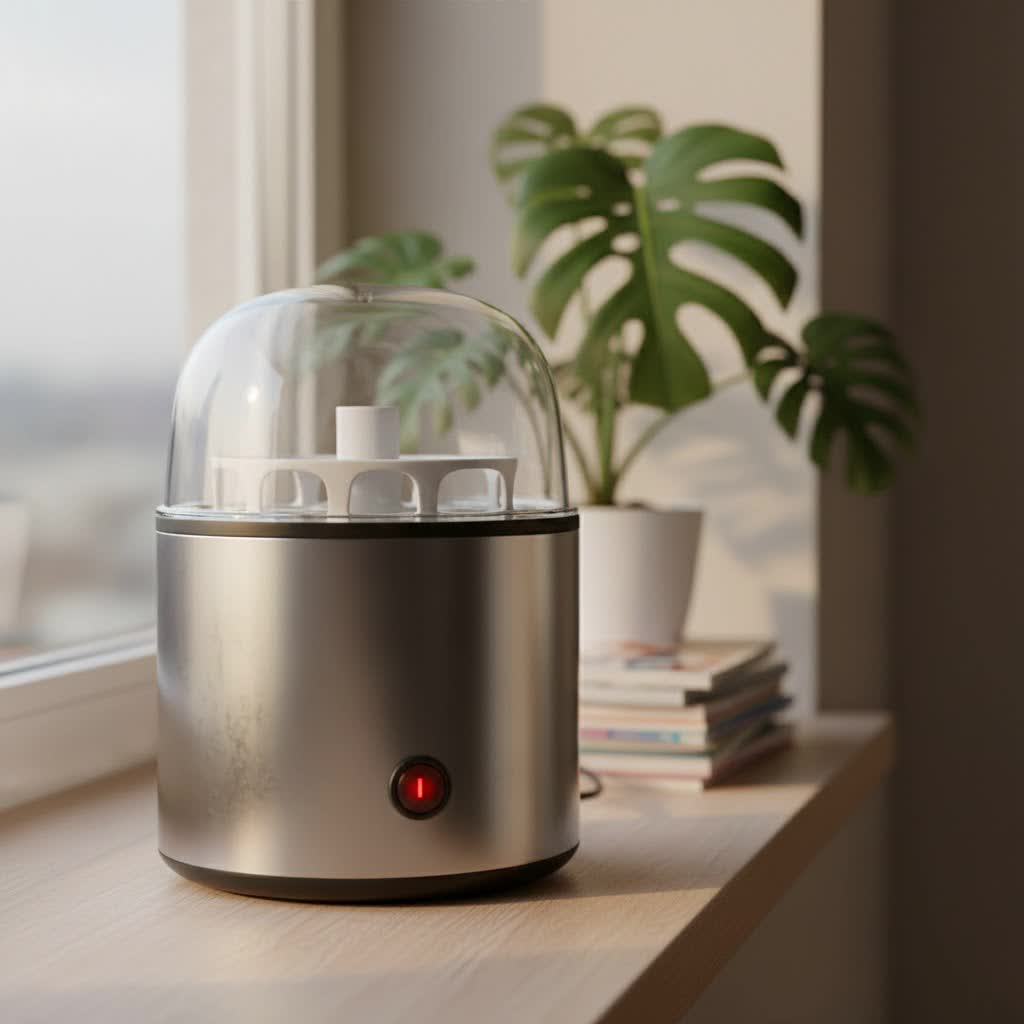
An automatic egg boiler is a compact electric appliance engineered to cook eggs using steam. Unlike traditional stovetop boiling, these devices require a precise amount of water, which, when heated, turns into steam to cook the eggs. Once the water completely evaporates, most models automatically shut off or signal completion with an audible alert, ensuring hands-free operation and perfect doneness every single time. The core benefit lies in its ability to consistently produce eggs without the need for constant supervision, a true game-changer for busy mornings.
What is an Automatic Egg Boiler? Why You Need One
At its heart, an automatic egg boiler is a small electrical appliance that leverages steam to cook eggs with unparalleled precision. Instead of submerging eggs in boiling water, a measured amount of water is added to a heating plate, creating steam that gently and evenly cooks each egg. This method significantly reduces the chances of cracking and often results in shells that are easier to peel.
The benefits of owning one are numerous:
- Effortless & Consistent Cooking: Say goodbye to overcooked, rubbery eggs or runny, undercooked whites. Automatic egg boilers allow you to select your desired doneness (soft, medium, or hard) with remarkable accuracy, thanks to calibrated water measurements. This consistency means you’ll achieve perfect results repeatedly, banishing the infamous green ring around yolks.
- Time-Saving Solution: For those hectic mornings, an automatic egg boiler is an invaluable ally. It cooks eggs much faster than waiting for a pot of water to boil, allowing you to prepare other aspects of your breakfast or tackle different tasks while your eggs cook themselves. Many models can boil up to 7-12 eggs in mere minutes.
- “Set-It-and-Forget-It” Convenience: The standout feature is its automatic nature. Once you add the water and eggs and press start, the machine handles the rest. Most are equipped with an auto-shutoff function and an alarm, providing peace of mind and eliminating the need to monitor the cooking process.
- Versatility Beyond Boiling: Modern automatic egg boilers often go beyond simple boiling. Many models include trays for poaching eggs, creating mini omelets, or even scrambling eggs. Some versatile units can also steam small vegetables, adding another layer of functionality to this seemingly single-purpose appliance.
|
Our Picks for the Best Egg Boiler in 2026
We may earn a commission when you use one of our links to make a purchase.
|
||
| Num | Product | Action |
|---|---|---|
| 1 | Elite Gourmet EGC007CHC# Rapid Egg Cooker, 7 Easy-To-Peel, Hard, Medium, Soft Boiled Eggs, Poacher, Omelet Maker, Auto Shut-Off, Alarm, 16-Recipe Booklet, Charcoal Grey |

|
| 2 | Dash Rapid Egg Cooker - Boiler, Poacher & Steamer - Includes Measuring & Recipe Guide - Dishwasher Safe - Holds 7 Eggs, Aqua |
|
| 3 | Evoloop Rapid Egg Cooker Electric 6 Eggs Capacity, Soft, Medium, Hard Boiled, Poacher, Omelet Maker Egg Poacher With Auto Shut-Off, BPA Free |
|
| 4 | Cuisinart CEC-10 Egg Central Egg Cooker, Brushed Stainless Steel |
|
| 5 | DASH Rapid Egg Cooker: 7 Egg Capacity Electric Egg Cooker for Hard Boiled Eggs, Poached Eggs, Scrambled Eggs, or Omelets. |
|
| 6 | Microwave Egg Cooker, Quick-Heat Poacher Fryer with Lid, for Breakfast Sandwiches Dishwasher Safe Portable Multi-Use Egg Cooker Easy to Use and Clean (pink) |
|
| 7 | Annie & Mia Design Stainless Steel Electric Rapid Egg Cooker, 8 Egg Capacity 500W, Soft/Medium/Hard Boiled Egg Boiler Poacher Steamer Omelet Maker, Knob Auto Shut-Off, with Recipe Guide Book (Black) |
|
| 8 | Elite Gourmet EGC115B Easy Egg Cooker Electric 7-Egg Capacity, Soft, Medium, Hard-Boiled Egg Cooker with Auto Shut-Off, Measuring Cup Included, BPA Free, Classic Black |
|
| 9 | DASH Electric Rapid Egg Cooker for Hard Boiled/Poached/Scrambled Eggs or Omelets with Auto Shut-Off Feature, Black, 7 Egg Capacity |
|
| 10 | Evoloop Rapid Egg Cooker Electric 12 Eggs Capacity, Soft, Medium, Hard Boiled, Poached, Omelet Maker Egg Poacher & Vegetable Steamer, BPA Free Tray |
|
Common Types of Egg Cookers in the Market
While the term “automatic egg boiler” primarily refers to electric steam cookers, it’s useful to understand how they compare to other egg cooking methods.
- Electric Automatic Egg Boilers: These are the focus of our discussion. They are typically compact countertop appliances that use a heating element to boil a small amount of water, generating steam to cook the eggs.
- Pros: Convenient, consistent results, often multi-functional (poaching, omelets), automatic shut-off, energy-efficient, easy to clean.
- Cons: Requires electricity, occupies counter space, primarily for eggs (though some steam veggies).
- Microwave Egg Boilers: These are typically plastic containers designed to cook eggs in a microwave.
- Pros: Fast, small, inexpensive.
- Cons: Can be inconsistent in doneness depending on microwave wattage, risk of eggs exploding if not pierced correctly, generally not as “automatic” with precise doneness settings, shells can be harder to peel.
- Stovetop Egg Poachers/Boilers: These are typically inserts for pots on a gas or induction stove, used for poaching or boiling multiple eggs.
- Pros: No electricity needed, can be integrated with existing cookware.
- Cons: Requires manual timing and monitoring, not “automatic,” less precise results, can be prone to overcooking or undercooking if not watched closely.
Comparison Table: Automatic Electric Egg Boiler vs. Other Methods
| Feature | Automatic Electric Egg Boiler | Microwave Egg Boiler | Stovetop Boiling (Traditional) |
|---|---|---|---|
| Convenience | Very High (Set-and-forget) | High (Quick) | Medium (Manual monitoring) |
| Speed | Medium (Faster than stovetop) | Fast | Medium (Waiting for water) |
| Accuracy/Control | High (Precise doneness) | Medium (Varies by microwave) | Low (Requires practice) |
| Cost | Medium | Low | Low (Using existing pots) |
| Safety | High (Auto-shutoff) | Medium (Explosion risk if not pierced) | Medium (Burner safety) |
| Cleanup | Easy (Removable, often non-stick) | Easy (Dishwasher-safe) | Medium (Pot scrubbing) |
| Versatility | High (Boil, poach, omelet, steam) | Low (Boil/poach) | High (Can boil anything) |
How to Choose the Right Automatic Egg Boiler
Selecting the perfect automatic egg boiler depends on your specific needs and culinary habits. Consider these key factors before making a purchase:
- Determine Your Usage Needs:
- Capacity: How many eggs do you typically cook at once? Models range from 1-2 eggs for individuals to 10-14 eggs for families or meal prepping.
- Priorities: Do you prioritize speed, consistency, versatility (poaching/omelets), or countertop footprint?
- Evaluate Key Features:
- Automatic Shut-off & Alarm: Essential for “set-it-and-forget-it” convenience and safety. Look for models that signal completion and power down automatically.
- Doneness Settings: Most come with a measuring cup indicating water levels for soft, medium, and hard-boiled eggs. Clear markings are crucial for precision.
- Multi-functionality: If you enjoy poached eggs or small omelets, ensure the model includes the necessary trays and has good reviews for these functions. Some even offer vegetable steaming.
- Material & Durability: Opt for BPA-free plastics and stainless steel components for safety and longevity.
- Ease of Cleaning: Removable, dishwasher-safe parts make cleanup a breeze, a major time-saver.
- Research Reputable Brands:
- Brands like Dash, Cuisinart, Hamilton Beach, and Elite Gourmet frequently appear in top reviews and offer a range of reliable options.
- Read User Reviews:
- Real-world feedback provides invaluable insights into a product’s performance, durability, and any potential quirks. Pay attention to comments regarding consistency, ease of use, and longevity.
Top Automatic Egg Boilers Highly Praised (General Categories)
While specific models can vary, certain brands consistently receive high marks across different price points.
- Budget-Friendly Picks (Under $30 USD):
- Dash Rapid Egg Cooker: Often lauded as a “best value” option, this compact cooker can typically boil up to 6-7 eggs and features an auto-shutoff with a chime. It’s praised for its straightforward operation and consistent results for boiled eggs.
- Elite Gourmet Easy Egg Cooker: Similar to the Dash, these models offer basic, reliable egg boiling for 7 eggs with an automatic turn-off, making them a solid entry-level choice for no-fuss breakfasts.
- Mid-Range Performers ($30 – $50 USD):
- Dash Deluxe Rapid Egg Cooker: An upgrade from the basic model, offering larger capacity (often up to 12 eggs) and more versatile trays for poaching and omelets. Users appreciate its ability to handle meal prep quantities efficiently.
- Hamilton Beach 3-in-1 Electric Egg Cooker: Known for its versatility, many Hamilton Beach models can boil, poach, and make egg bites or omelets. They often offer a good balance of features and capacity for their price.
- Premium Options (Over $50 USD):
- Cuisinart Egg Central Egg Cooker: Frequently cited as a “best overall” choice, the Cuisinart Egg Central often boasts a sturdy design, user-friendly interface, and excellent consistency across various egg preparations. It typically accommodates up to 10 eggs and offers dedicated trays for poaching and omelets.
- Chef’sChoice Gourmet Egg Cooker: These high-end models sometimes offer more advanced controls or materials, appealing to users seeking top-tier performance and durability for perfectly cooked eggs.
Tips for Using and Maintaining Your Automatic Egg Boiler
To ensure your automatic egg boiler delivers delicious results for years to come, follow these simple usage and maintenance tips:
- Read the Manual: Always consult your specific model’s instruction manual for precise water measurements and operational guidelines.
- Pierce Eggs (Optional but Recommended): Many egg boilers come with a small pin on the bottom of the measuring cup. Piercing the wider end of each egg before cooking can help prevent cracking and make the eggs easier to peel once cooked.
- Add the Correct Water Amount: Use the provided measuring cup and fill to the line corresponding to your desired doneness (soft, medium, or hard) and the number of eggs. This is crucial for consistent results.
- Cool Eggs Immediately: For easier peeling and to halt the cooking process, transfer cooked eggs to a bowl of ice water or run them under cold water immediately after the machine signals completion.
- Clean After Each Use: Disassemble removable parts and wash them with warm, soapy water. Most non-electric components are dishwasher safe. Wipe the heating plate with a damp cloth to remove any mineral deposits, which can affect performance over time.
- Store Properly: Ensure the appliance is completely dry before storing it in a cool, dry place.
“If you’re someone who eats eggs regularly and values speed and precision, then yes, an electric egg cooker can be a worthwhile investment. These appliances take out the guesswork—no timers, no watching the pot, and fewer chances of overcooking.” – Nelson Serrano-Bahri, Chef and Director of Innovation at the American Egg Board.
Conclusion
An automatic egg boiler is far more than a niche gadget; it’s a smart kitchen essential that revolutionizes how you prepare eggs. From delivering consistent, perfectly cooked eggs every single time to saving valuable minutes on busy mornings, its benefits are undeniable. With various types and features available, choosing the right automatic egg boiler can elevate your daily routine, making healthy, delicious meals effortlessly accessible. Say goodbye to the unpredictability of stovetop methods and embrace the convenience and precision that an automatic egg boiler brings to your kitchen.
Are you ready to discover the ease of perfectly cooked eggs, precisely how you like them, every day?
Frequently Asked Questions
How does an automatic egg boiler work?
An automatic egg boiler functions by using a precise amount of water that is heated to create steam. This steam then circulates within a sealed chamber, cooking the eggs to your desired doneness. The machine typically shuts off automatically once all the water has evaporated, ensuring consistent results without supervision.
Are automatic egg boilers worth it?
For individuals or families who regularly consume eggs and value consistency, convenience, and time-saving in their morning routine, an automatic egg boiler is definitely a worthwhile investment. They eliminate guesswork and deliver perfectly cooked eggs every time.
Can I make different types of eggs in an automatic egg boiler?
Yes, most automatic egg boilers are designed to prepare soft, medium, and hard-boiled eggs by varying the amount of water added. Many models also come with accessories for poaching eggs and making small omelets or scrambled eggs, offering versatile cooking options.
Is it safe to leave an automatic egg boiler unattended?
Yes, a key feature of automatic egg boilers is their built-in safety mechanisms, such as automatic shut-off and overheat protection. This allows for “set-it-and-forget-it” cooking, meaning you can typically leave it unattended while it completes the cooking cycle safely.
How do I clean my automatic egg boiler?
Cleaning an automatic egg boiler is straightforward. Most come with removable trays and lids that can be washed with warm, soapy water or are dishwasher safe. The heating plate, which is part of the electrical base, should be wiped clean with a damp cloth after cooling to remove any mineral residue.